
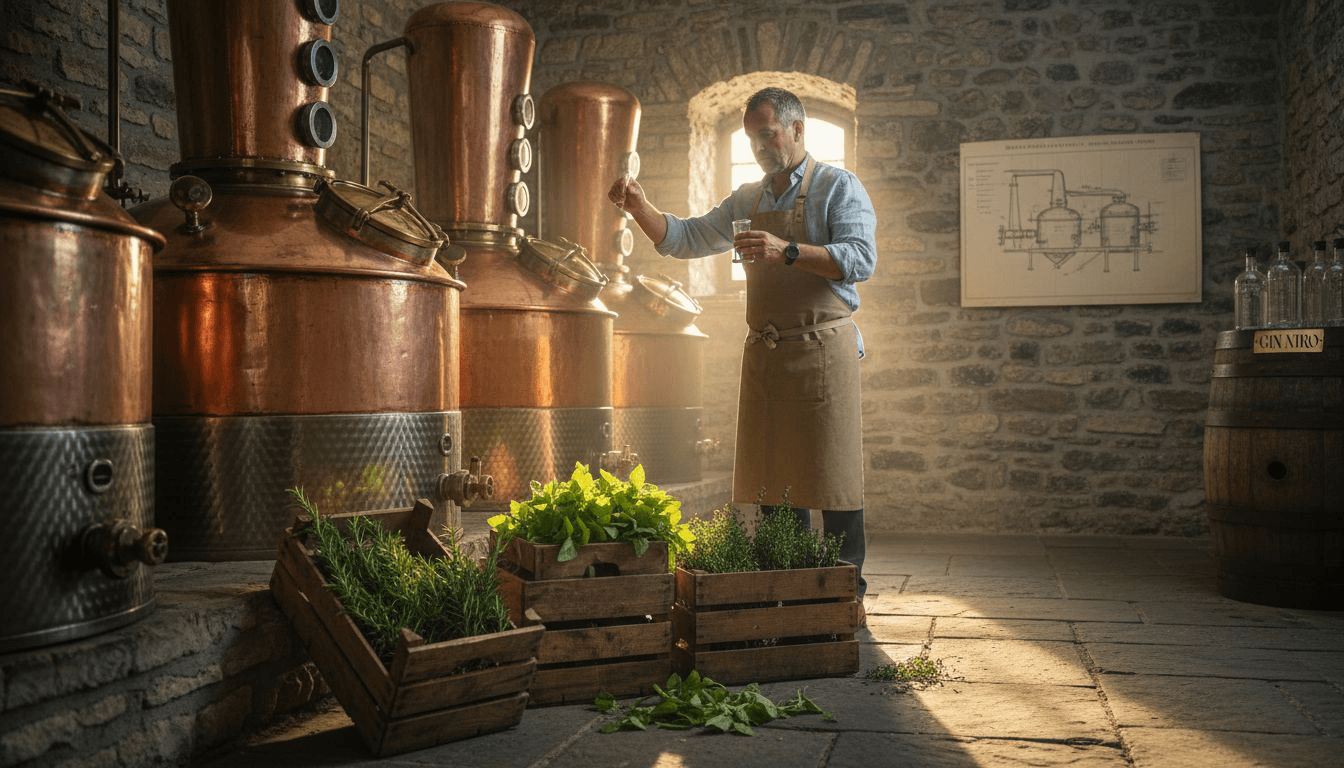
Many confuse aromatic gin with flavored gin, missing the artistry behind authentic Mediterranean spirits. A 2025 consumer survey showed 52% mistakenly identified flavored gins as aromatic gins due to overlapping labels. This guide clarifies what makes aromatic gin distinct through its botanical complexity, traditional distillation methods, and sensory depth. You'll discover how Mediterranean botanicals and artisanal craftsmanship create premium aromatic gins worth seeking out.
Table of Contents
- Understanding Aromatic Gin: Definition And Characteristics
- Mediterranean Botanicals: The Heart Of Aromatic Gin
- Traditional Distillation Methods That Unlock Aromatics
- Common Misconceptions About Aromatic Gin
- Comparing Aromatic Gin With Other Gin Styles
- The Sensory Experience Of Aromatic Gin
- Practical Advice For Selecting And Enjoying Aromatic Gin
- Explore Premium Mediterranean Aromatic Gin
- Frequently Asked Questions About Aromatic Gin
Key takeaways
| Point | Details |
|---|---|
| Botanical complexity | Aromatic gin blends 6-12 Mediterranean botanicals through distillation, not post-production flavoring. |
| Traditional methods | Copper pot stills preserve 30% more aromatic compounds than industrial equipment. |
| Mediterranean terroir | Regional herbs, citrus, and grapes create distinctive flavor profiles unique to artisanal production. |
| Sensory layers | Expect herbal, citrus, and floral notes that unfold gradually, unlike simple flavored gins. |
| Selection criteria | Verify botanical sourcing, distillation transparency, and artisanal production claims before buying. |
Understanding aromatic gin: definition and characteristics
Aromatic gin represents a gin style defined by rich, complex botanical profiles that create layered sensory experiences. Unlike flavored gins that add essences after distillation, aromatic gin features a distinctive botanical complexity emphasizing Mediterranean herbs and fruits integrated during the distillation process itself. This fundamental difference in production creates authentic depth rather than surface flavor.
The botanical count tells part of the story. Aromatic gins typically use 6 to 12 carefully selected botanicals, compared to simpler gin styles that rely heavily on juniper and fewer complementary ingredients. These botanicals work together to build complexity, with each contributing distinct aromatic notes that emerge at different points during tasting.
Three pillars define authentic aromatic gin:
- Botanical complexity with Mediterranean botanicals forming the flavor foundation
- Traditional distillation methods that preserve delicate aromatic compounds
- Layered sensory experience revealing herbal, citrus, and floral notes progressively
This triad separates genuine aromatic gin from marketing labels. When producers integrate botanicals through slow, controlled distillation in copper stills, they extract essential oils and aromatic compounds that create authentic complexity. Post-distillation flavoring, by contrast, adds superficial taste without the nuanced depth artisanal methods achieve.
The Mediterranean influence shapes botanical selection significantly. Terroir matters in gin production just as it does in wine. Regional herbs, citrus varieties, and even grapes specific to Mediterranean climates contribute unique flavor signatures impossible to replicate with generic botanicals or industrial processes.
Mediterranean botanicals: the heart of aromatic gin
Mediterranean botanicals distinguish artisanal aromatic gin from ordinary spirits. Mediterranean botanicals like rosemary, thyme, lemon balm, and zibibbo grape provide distinctive herbal, citrus, and floral notes unique to this gin style. These ingredients carry centuries of culinary tradition and terroir influence into each bottle.
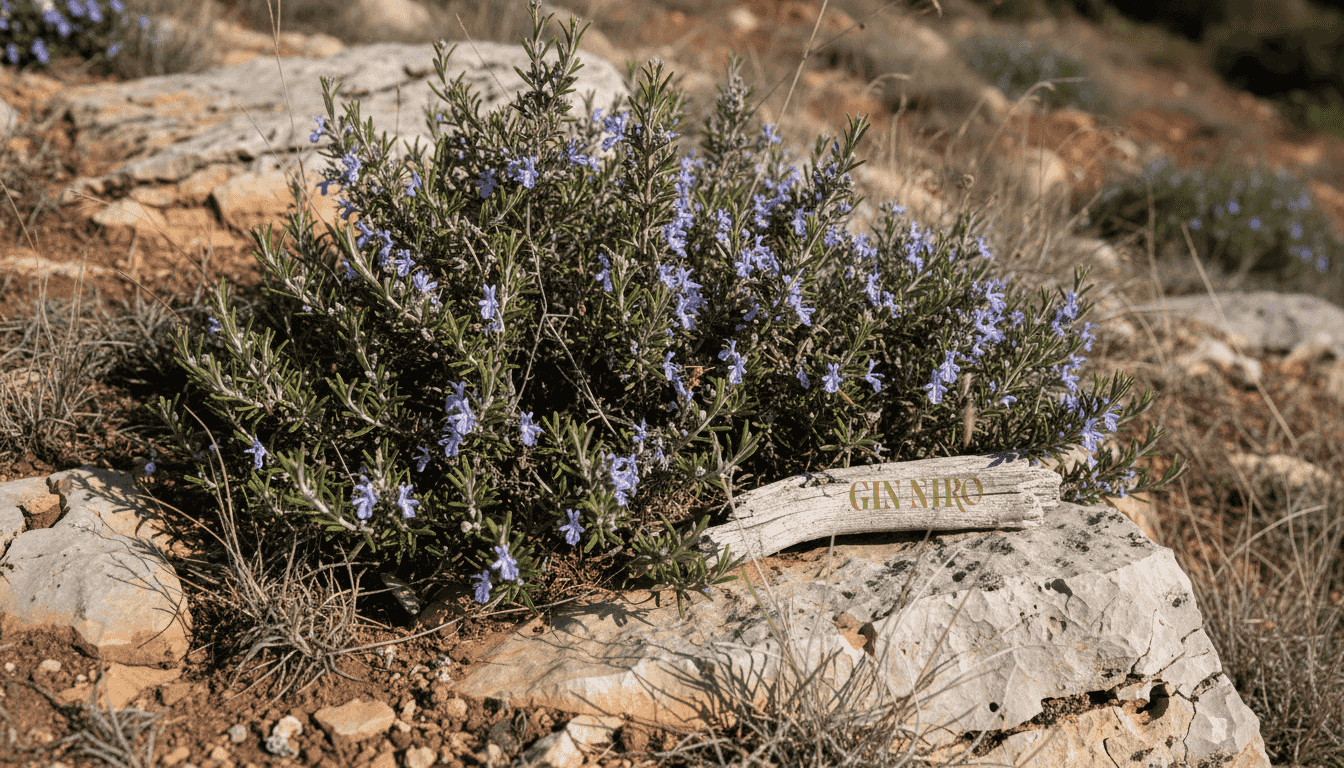
Rosemary contributes piney, slightly camphor notes that add depth without overwhelming. Wild Mediterranean rosemary grows in rocky, sun-drenched terrain, developing concentrated essential oils that create resinous complexity. Thyme varieties native to coastal regions bring earthy, slightly minty characteristics that balance citrus brightness.
Lemon balm and other Mediterranean herbs introduce gentle floral qualities. These delicate botanicals require careful handling during distillation to preserve their subtle aromatic compounds. When properly extracted, they create the middle notes that give aromatic gin its sophisticated layers.
Zibibbo grape, an aromatic grape variety cultivated in Sicily and other Mediterranean islands, adds unique fruity sweetness. This botanical connects aromatic gin to Mediterranean winemaking traditions, bringing grape essence that complements rather than masks juniper. The result feels distinctly Mediterranean, rooted in regional agricultural heritage.
Citrus components complete the botanical profile:
- Sicilian lemon peel provides bright, clean acidity
- Bitter orange peel adds complexity with subtle bitterness
- Bergamot contributes floral, perfumed citrus notes
- Local citron varieties bring unique aromatic oils
Pro Tip: When evaluating aromatic gin, check whether producers specify botanical origins. Regional sourcing from Mediterranean suppliers indicates commitment to authentic terroir expression rather than generic ingredient purchasing.
The cultural significance extends beyond flavor. Mediterranean communities have used these botanicals medicinally and culinarily for millennia. Artisanal gin producers honor this heritage by sourcing locally and maintaining traditional botanical knowledge. This connection to place creates authenticity that discerning consumers recognize and value.
Aroma compounds in Mediterranean gin develop through specific growing conditions. Coastal air, limestone soils, and intense sunshine concentrate essential oils in botanical materials. These environmental factors contribute to flavor intensity and complexity impossible to achieve with botanicals grown elsewhere.
Traditional distillation methods that unlock aromatics
Distillation methods determine whether botanical potential becomes realized complexity or wasted opportunity. Copper pot stills retain up to 30% more aromatic compounds than modern industrial column stills, preserving nuanced flavors essential to premium aromatic gin. This substantial difference in compound retention separates artisanal products from mass-market alternatives.
Copper interacts chemically with distillate, removing sulfur compounds while preserving desirable aromatics. The metal's catalytic properties create smoother spirits with cleaner flavor profiles. Pot stills allow vapor to condense and redistill multiple times, building complexity through repeated exposure to botanicals.
Temperature control during distillation proves equally critical. Slow, low-temperature distillation protects delicate botanical compounds from degradation. Rushing the process through high heat extracts bitter compounds and destroys subtle aromatics, producing harsh, one-dimensional spirits.
Artisanal distillation follows specific practices:
- Vapor infusion baskets hold botanicals above the spirit, extracting aromatics gently
- Multiple distillation cuts separate heads, hearts, and tails for optimal flavor
- Small batch sizes ensure precise temperature and timing control
- Extended maceration periods before distillation enhance botanical integration
Column stills, while efficient for industrial production, operate at higher temperatures and speeds. They produce clean, consistent spirits but sacrifice the aromatic complexity and character that traditional distillation methods preserve. The trade-off between efficiency and quality becomes apparent in side-by-side tastings.
Pro Tip: Look for producers who disclose their distillation equipment and methods. Transparency about copper pot stills, batch sizes, and distillation duration signals commitment to quality over volume. Vague production descriptions often hide industrial shortcuts.
The hearts cut, the middle portion of distillation containing the finest aromatics, requires expert judgment to collect properly. Master distillers taste repeatedly during runs, making real-time decisions about when desirable compounds peak. This hands-on approach contrasts sharply with automated industrial processes that prioritize consistency over excellence.
Traditional methods also mean accepting lower yields. Careful botanical selection, gentle extraction, and precise cuts sacrifice quantity for quality. Artisanal producers embrace these inefficiencies because they produce superior aromatic gin that commands premium pricing from informed consumers.
Common misconceptions about aromatic gin
Misconceptions about aromatic gin prevent consumers from making informed choices. Authentic aromatic gin integrates botanicals through distillation, not by adding flavors after distillation, distinguishing it from flavored or compound gins. Understanding these differences helps you identify genuine artisanal products.
Myth one claims aromatic gin receives flavoring post-distillation. Reality shows true aromatic gin achieves complexity through botanical integration during the distillation process. Producers steep or vapor-infuse botanicals, allowing essential oils to merge with alcohol through heat and chemistry. Post-distillation flavoring creates superficial taste without structural integration.
Myth two insists juniper must dominate all gin styles. While gin regulations require juniper presence, aromatic gin balances juniper with Mediterranean botanicals that share prominence. The result emphasizes botanical harmony rather than single-ingredient dominance. This balanced approach creates complexity that juniper-forward London Dry styles don't attempt.
Myth three assumes all aromatic gins taste similar. Terroir-based botanical selection creates significant variation between producers and regions. Sicilian aromatic gin differs markedly from Greek or Spanish versions, even when using overlapping botanical categories. Growing conditions, harvest timing, and local botanical varieties all influence final flavor profiles.
Common misconceptions include:
- Believing higher alcohol content always indicates quality
- Assuming clear color means lack of botanical contact
- Expecting overwhelming juniper in all premium gins
- Thinking artisanal necessarily means small production only
- Confusing botanical count with quality
These misunderstandings lead consumers toward marketing claims rather than substantive quality indicators. Producers exploit confusion by using aromatic or artisanal labels without supporting production methods. Learning to identify artisanal gin through verifiable criteria protects against misleading marketing.
Botanical integration timing matters significantly. Macerating botanicals before distillation allows flavors to develop complexity. Vapor infusion during distillation extracts lighter, more delicate notes. Combining both techniques creates layered profiles. Post-distillation addition, regardless of natural ingredient use, bypasses the chemical transformations that create genuine aromatic complexity.
Comparing aromatic gin with other gin styles
Contextualizing aromatic gin requires comparing its defining characteristics against other popular gin styles. Aromatic gin typically uses 6-12 botanicals with Mediterranean herbs and slow traditional distillation, whereas London Dry gin has fewer botanicals, juniper dominance, and column distillation. These differences create distinct sensory profiles and market positions.
| Characteristic | Aromatic Gin | London Dry Gin | Flavored Gin |
|---|---|---|---|
| Botanical Count | 6-12 diverse botanicals | 4-8 botanicals, juniper-focused | Variable, often fewer |
| Distillation | Copper pot stills, slow | Column stills, efficient | Any method plus flavoring |
| Dominant Flavors | Herbal, citrus, floral balance | Strong juniper, crisp | Added flavoring profile |
| Production Scale | Artisanal small batches | Industrial to craft | Primarily industrial |
| Botanical Integration | During distillation | During distillation | Post-distillation addition |
| Price Point | Premium to luxury | Mid to premium | Budget to mid |
London Dry represents the traditional gin category most consumers recognize. Its regulations prohibit artificial flavoring and require distillation-based botanical integration. However, comparison with London Dry gin reveals aromatic gin's emphasis on botanical diversity over juniper dominance. London Dry prioritizes clean, crisp juniper character, while aromatic gin seeks layered complexity.
Flavored gin occupies a separate category entirely. Producers may start with neutral grain spirit, add botanical flavoring, and label the result as gin. While some flavored gins use natural ingredients, the post-distillation addition method creates fundamentally different products. These gins serve casual consumers seeking accessible flavors rather than connoisseurs appreciating distillation artistry.
Labeling clarity varies significantly. European regulations define London Dry gin specifically, but aromatic gin lacks standardized legal definition. This ambiguity allows producers to self-apply the aromatic label without meeting consistent criteria. Savvy consumers look beyond labels to production method disclosures and botanical sourcing transparency.
The sensory experience of aromatic gin
Sensory characteristics define aromatic gin's appeal to sophisticated consumers. Aromatic gin delivers higher aromatic complexity with notable citrus, herbal, and floral flavors driven by Mediterranean botanicals, creating a layered sensory experience. This complexity unfolds progressively, revealing different notes as you taste.
The nose presents initial aromatic impressions. Quality aromatic gin greets you with bright citrus top notes, followed by herbal mid-notes, and finishing with subtle floral or earthy base notes. This progression indicates proper botanical integration and skilled distillation. Single-note aromatics suggest simpler production or added flavoring.
Palate experience develops in waves. The first sip brings forward citrus brightness and juniper structure. Mid-palate reveals herbal complexity as rosemary, thyme, or other Mediterranean botanicals emerge. The finish introduces floral hints and lingering aromatic oils that coat your mouth pleasantly.
Key tasting notes to detect:
- Bright citrus opening with lemon, orange, or bergamot
- Herbal mid-palate showing rosemary, thyme, or sage
- Subtle floral qualities from lemon balm or botanicals
- Fruity undertones from grape or other Mediterranean fruits
- Clean, aromatic finish without harsh alcohol burn
Mouthfeel contributes significantly to sensory experience. Premium aromatic gin feels silky rather than harsh, coating your palate with aromatic oils. This texture comes from botanical essential oils preserved through gentle distillation. Industrial spirits often feel thin or burning due to higher distillation temperatures that strip these compounds.
Mediterranean botanicals provide depth impossible to achieve with generic ingredients. The combination of coastal herbs, sun-ripened citrus, and traditional grape varieties creates sensory profiles rooted in terroir. You taste the limestone soils, sea air, and intense Mediterranean sunshine in each sip.
Temperature affects aromatic release significantly. Serving aromatic gin slightly chilled, around 45 to 50 degrees Fahrenheit, allows aromatics to open without alcohol burn dominating. Over-chilling mutes delicate botanical notes, while room temperature emphasizes alcohol heat.
Mindful tasting reveals complexity casual drinking misses. Take small sips, allowing gin to coat your entire palate. Notice how flavors evolve from first contact through the finish. This attentive approach validates the artisanal production methods that create such nuanced spirits.
Practical advice for selecting and enjoying aromatic gin
Applying knowledge requires concrete selection and serving strategies. Identifying genuine aromatic gin includes verifying artisanal production, Mediterranean botanical use, and transparent labeling of distillation methods and ingredients. These criteria separate authentic products from marketing claims.
Follow these steps when selecting aromatic gin:
- Read labels carefully for botanical lists and Mediterranean origin claims
- Research producer background and distillation facility locations
- Verify copper pot still use and batch production methods
- Check for specific botanical sourcing regions rather than vague claims
- Compare price points against production method transparency
Authenticity markers include:
- Named Mediterranean botanicals with regional specificity
- Disclosure of traditional distillation equipment
- Clear provenance statements about ingredient sourcing
- Transparent batch numbering or production dating
- Producer willingness to discuss distillation processes
Avoid products making artisanal claims without supporting details. Vague marketing language about handcrafted or small batch production means little without verifiable production information. Tips for spotting artisanal gin help you cut through marketing to identify genuine quality.
Serving practices maximize aromatic enjoyment. Use wide-bowled gin glasses that concentrate aromatics toward your nose. These glasses, similar to wine glasses, enhance the sensory experience compared to standard highball glasses. Chill glasses slightly but avoid freezing them.
Food pairings complement aromatic gin's botanical profile:
- Fresh seafood highlighting citrus notes
- Herb-roasted vegetables echoing Mediterranean botanicals
- Aged cheeses providing savory contrast
- Light appetizers that don't overwhelm delicate flavors
Pro Tip: Mix aromatic gin with quality tonic water using a 1:3 ratio, adding fresh herbs or citrus that mirror the gin's botanicals. This simple serve highlights rather than masks the spirit's complexity, letting you appreciate artisanal production quality.
Experimentation reveals personal preferences. Try aromatic gin neat first to understand its full profile. Then explore simple serves with tonic or soda water. Finally, attempt cocktails that showcase botanical complexity. This progression builds appreciation for the spirit's versatility and craft.
Explore premium Mediterranean aromatic gin
Discovering authentic Mediterranean aromatic gin means seeking producers committed to traditional craftsmanship and regional botanicals. Gin Niro exemplifies this dedication, capturing Sicilian heritage through artisanal production methods and carefully sourced Mediterranean ingredients. Each bottle represents centuries of botanical knowledge and distillation expertise refined for contemporary palates.
Our commitment to authenticity extends from botanical selection through final bottling. We use copper pot stills and slow distillation to preserve the delicate aromatic compounds that define premium aromatic gin. Zibibbo grapes, Sicilian citrus, and wild Mediterranean herbs combine to create layered complexity you can taste immediately. This isn't marketing language but verifiable production reality.
Explore our expert guide to spotting artisanal gin to deepen your understanding of quality indicators. Then shop Gin Niro's premium selection to experience Mediterranean aromatic gin crafted with uncompromising attention to botanical integrity and traditional methods. Learn more about Mediterranean gin flavor and culture through our educational resources.
Frequently asked questions about aromatic gin
What defines aromatic gin compared to other gins?
Aromatic gin emphasizes botanical complexity and Mediterranean ingredients integrated through distillation, creating layered herbal, citrus, and floral profiles. Unlike London Dry gin's juniper dominance or flavored gin's post-distillation additions, aromatic gin balances multiple botanicals to achieve nuanced sensory experiences.
How do Mediterranean botanicals affect aromatic gin's flavor?
Mediterranean botanicals like rosemary, thyme, lemon balm, and zibibbo grape contribute distinctive terroir-based flavors. These ingredients carry regional growing conditions into the spirit, creating herbal depth, citrus brightness, and subtle floral notes impossible to replicate with generic botanicals.
Why is traditional distillation important for aromatic gin quality?
Copper pot stills and slow distillation preserve up to 30% more aromatic compounds than industrial methods. Traditional techniques protect delicate botanical essential oils from heat degradation, ensuring complex flavors survive into the finished spirit.
Can aromatic gin have less juniper flavor than London Dry?
Yes, aromatic gin balances juniper with other Mediterranean botanicals rather than emphasizing juniper dominance. This creates more complex, layered profiles where juniper provides structure without overwhelming complementary herbal and citrus notes.
How should I serve aromatic gin to best enjoy its aromatics?
Serve slightly chilled in wide-bowled glasses that concentrate aromatics. Mix with quality tonic at 1:3 ratio, adding fresh herbs or citrus that complement the gin's botanicals. Start by tasting neat to appreciate full complexity before exploring mixed serves.