

Mediterranean artisanal gins contain 15 to 25% more citrus botanicals than classic London Dry varieties, creating complex flavor profiles that reward sophisticated tasting techniques. Mastering proper appreciation methods transforms your sensory experience, allowing you to detect subtle floral notes, citrus brightness, and botanical layers that casual sipping misses. This guide delivers expert techniques for selecting, tasting, and pairing artisanal Mediterranean gins to maximize your enjoyment and deepen your understanding of this craft spirit category.
Table of Contents
- Selection Criteria For Appreciating Artisanal Gin
- Tasting Techniques For Artisanal Gin
- Understanding Botanical Profiles Of Mediterranean Artisanal Gins
- Cocktail Pairing Recommendations
- Comparison Of Artisanal Gins
- Situational Recommendations For Gin Enthusiasts
- Discover Expert Insights And Premium Artisanal Gins At Gin Niro
- Frequently Asked Questions About Artisanal Gin Appreciation
Key Takeaways
| Point | Details |
|---|---|
| Multi-step tasting reveals complexity | Proper technique evaluates appearance, aroma, palate, finish, and balance to detect subtle botanical nuances |
| Mediterranean gins feature unique botanicals | Zibibbo grape and Sicilian citrus create distinctive floral and bright flavor profiles unavailable in London Dry styles |
| Temperature unlocks aroma | Serving at 10 to 12°C preserves volatile oils and enhances aromatic complexity for optimal sensory evaluation |
| Pairing amplifies botanical notes | Balanced tonic and Mediterranean cuisine complement gin's citrus and herbal character, elevating the tasting experience |
| Selection prioritizes craft quality | Botanical uniqueness, traditional distillation, and freshness indicators like 70cl packaging ensure superior flavor |
Selection Criteria for Appreciating Artisanal Gin
Before you can appreciate artisanal gin's complexity, you need to select bottles that showcase true craft quality. The botanical profile stands as your primary criterion. Look for gins listing specific, distinctive botanicals beyond the standard juniper base, especially those featuring regional ingredients like Mediterranean citrus, herbs, or aromatic grapes.
Traditional distillation methods matter because they retain delicate volatile oils that carry flavor. Small batch pot still distillation preserves these compounds better than industrial column stills, creating richer aromatic profiles. When evaluating what defines artisanal gin, check whether the producer emphasizes slow, careful distillation over mass production efficiency.
Serving temperature and glassware dramatically impact your tasting experience. Store your artisanal gin at 10 to 12°C and use tulip or copita glasses that concentrate aromatics toward your nose. Standard highball glasses disperse volatile compounds before you can appreciate them, while proper glassware captures the gin's full aromatic complexity.
Freshness factors include packaging size and production date. The 70cl bottle size proves optimal for home enthusiasts because you'll consume it within weeks, preserving peak freshness. Larger format bottles risk oxidation over extended periods, dulling the bright citrus and floral notes that define quality Mediterranean gins.
Pro Tip: Seek limited batch or small production artisanal gins with batch numbers on the label. These releases typically feature higher botanical loads and more careful quality control than year-round commercial offerings, delivering superior sensory complexity for discerning tasters.
- Botanical profile uniqueness signals craft quality and flavor distinction
- Traditional pot still methods preserve delicate aromatic compounds
- Proper storage temperature maintains volatile oil integrity
- 70cl packaging ensures freshness for home consumption
- Batch numbered releases indicate artisanal production standards
Tasting Techniques for Artisanal Gin
Tasting artisanal gin requires a multi-step approach including visual inspection, aroma evaluation, palate cleansing, and progressive flavor analysis. This systematic method reveals nuances that casual sipping overlooks. Follow these five steps to evaluate gin like an expert and detect the subtle botanical layers that define quality.
-
Appearance: Pour 30ml into a tulip glass and observe clarity and viscosity. Quality artisanal gins show brilliant clarity with slight viscosity from botanical oils. Cloudiness indicates poor filtration or instability.
-
Nose: Swirl gently and inhale with your mouth slightly open. This technique prevents alcohol burn and allows aromatic compounds to reach olfactory receptors. Identify dominant botanicals first, then search for subtle background notes.
-
Palate: Take a small sip and let it coat your entire mouth before swallowing. Notice how flavors evolve from initial contact through mid-palate to finish. Quality gins reveal different botanical layers at each stage.
-
Finish: Evaluate how long flavors persist and which botanicals linger. Mediterranean gin flavor profiles typically show extended citrus brightness and floral persistence compared to juniper-forward London Dry styles.
-
Balance: Assess whether botanicals harmonize or if one element dominates. Exceptional artisanal gins achieve complexity without sacrificing balance, creating a cohesive sensory experience.
Optimal glassware concentrates volatile aromatics essential for appreciation. Tulip or copita glasses work better than rocks glasses because their tapered shape funnels aromatic compounds toward your nose. This concentration effect lets you detect delicate floral and citrus notes that define Mediterranean artisanal gins.
Serving temperature critically affects aromatic perception. At 10 to 12°C, volatile oils volatilize at ideal rates for human olfactory detection. Colder temperatures suppress aromatics, while warmer serving releases too much alcohol vapor that overwhelms subtle botanical scents.
Pro Tip: Avoid adding ice during neat tasting sessions. Ice rapidly dilutes the spirit and suppresses volatile aromas before you can evaluate them properly. Save ice for cocktail preparation, where controlled dilution serves a specific mixing purpose.
Palate cleansing between tastings prevents sensory fatigue. Sip room temperature still water and eat a plain cracker to reset your taste receptors. This practice becomes essential when comparing multiple gins, allowing you to evaluate each sample with fresh sensory acuity.
Understanding Botanical Profiles of Mediterranean Artisanal Gins
Mediterranean artisanal gins distinguish themselves through signature botanicals unavailable in northern European styles. Zibibbo grape, an aromatic Muscat variety grown in Sicily, contributes distinctive floral sweetness and subtle wine-like complexity. This botanical creates a softer, rounder mouthfeel compared to the crisp dryness typical of London Dry gins.
Sicilian citrus provides bright acidity and aromatic intensity that defines the Mediterranean style. Blood orange, bergamot, and cedro (citron) offer complex citrus profiles beyond standard lemon and lime. These botanicals create layered aromatic experiences, with bergamot adding Earl Grey tea notes and blood orange contributing berry-like sweetness.
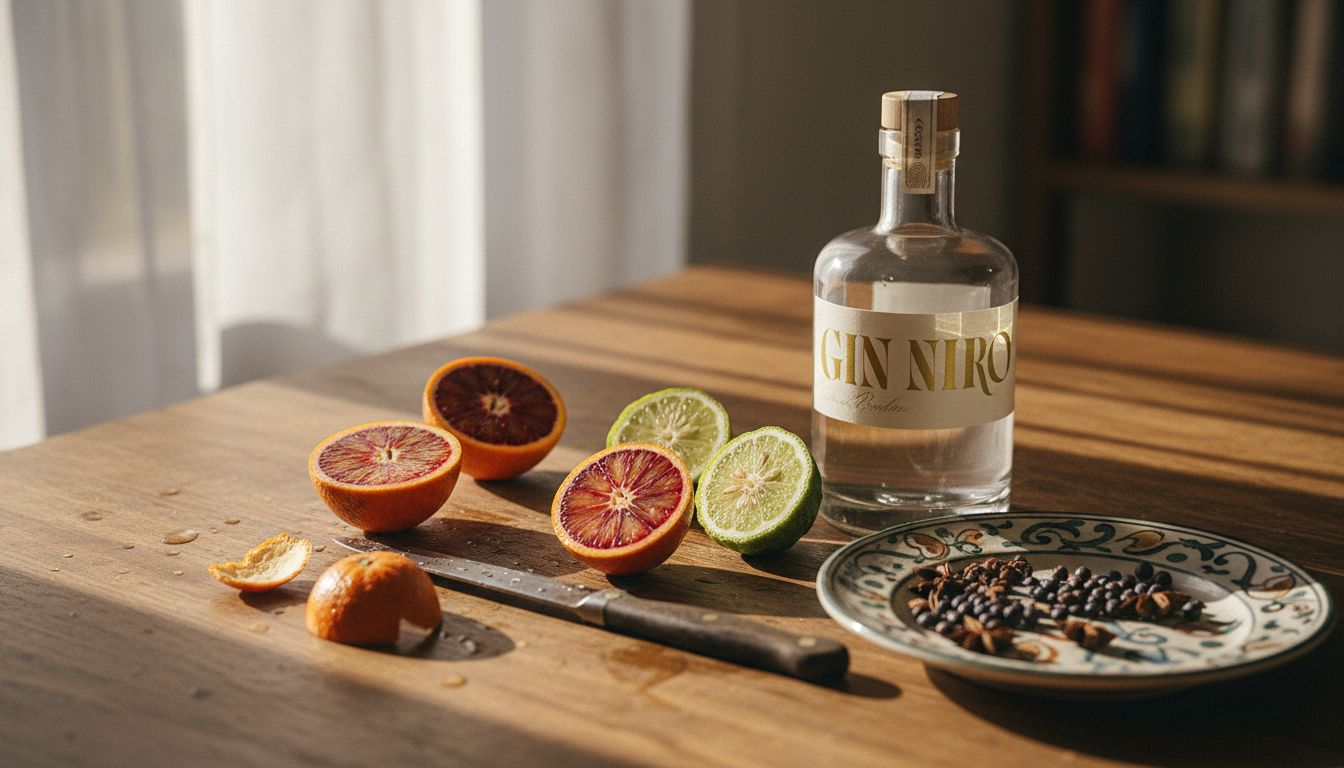
Comparative analysis shows Mediterranean artisanal gins have on average 15 to 25% higher citrus botanical content than classic London Dry gins, influencing freshness and aroma intensity. This elevated citrus load balances juniper's piney character, creating profiles that appeal to drinkers who find traditional gins too austere or medicinal.
Traditional pot still distillation preserves delicate volatile oils that carry these botanical flavors. Unlike continuous column stills that strip congeners for neutral spirits, pot stills allow flavorful compounds to pass into the final distillate. This method enriches texture and aromatic depth, characteristics prized by spirits connoisseurs.
Common Mediterranean gin botanicals and their flavor contributions include:
- Wild fennel adds anise sweetness and herbal complexity
- Rosemary contributes pine-like aromatics distinct from juniper
- Thyme offers earthy, savory notes that ground bright citrus
- Myrtle berries provide subtle berry sweetness and floral hints
- Coriander seed enhances citrus brightness with spicy undertones
These unique gin ingredients create sensory profiles that pair naturally with Mediterranean cuisine and cocktail traditions. Understanding each botanical's contribution helps you identify quality during tasting and select gins that match your flavor preferences.
The botanical composition affects not just flavor but also cocktail performance. Higher citrus content means Mediterranean gins shine in serves with minimal mixers, where their aromatic complexity can dominate. London Dry styles with assertive juniper better withstand bold mixers like heavy tonic or vermouth.
Cocktail Pairing Recommendations
Artisanal Mediterranean gins demand thoughtful mixer selection to showcase rather than mask their botanical complexity. Choose tonic waters with 40 to 60 IBU (International Bitterness Units) to balance quinine bitterness against the gin's citrus brightness. Higher IBU tonics overpower delicate floral notes, while lower bitterness levels fail to provide necessary contrast.
Fresh citrus and herbal infusions complement rather than compete with Mediterranean botanicals. A rosemary sprig or blood orange wheel echoes flavors already present in the gin, creating harmonious amplification. Avoid heavy syrups or artificial mixers that introduce conflicting sweetness profiles.
Pairing artisanal gin with Mediterranean cuisine such as citrus-marinated seafood or herb-infused dishes enhances the perception of botanical notes and balance. The shared flavor vocabulary between gin and food creates resonance that elevates both elements. Grilled fish with lemon and oregano, for example, mirrors the citrus and herbal character in quality Mediterranean gins.
| Mixer Type | Botanical Harmony | Complexity Rating | Best Use |
|---|---|---|---|
| Premium tonic (50 IBU) | Excellent | High | Classic G&T showcasing botanicals |
| Fresh citrus juice | Outstanding | Medium | Bright, refreshing summer serves |
| Herbal infusions | Very good | Very high | Sophisticated cocktails for food pairing |
| Soda water | Good | Low | Minimal dilution for neat-like appreciation |
| Vermouth | Moderate | High | Martini variants requiring balance |
Top cocktail recipes tailored for Mediterranean artisanal gins:
- Mediterranean G&T: 50ml gin, 150ml premium tonic, rosemary sprig, blood orange wheel, served over large ice cube
- Citrus Spritz: 40ml gin, 20ml fresh bergamot juice, 10ml honey syrup, 80ml prosecco, thyme garnish
- Coastal Collins: 50ml gin, 25ml lemon juice, 15ml simple syrup, 60ml soda, cucumber ribbon, sea salt rim
- Herbal Negroni: 30ml gin, 30ml sweet vermouth, 30ml Campari, orange twist, fresh basil leaf
These gin and food pairing tips apply across serving contexts. Whether mixing cocktails or planning tasting menus, align botanical profiles with complementary flavors in your mixers and dishes. This principle of flavor resonance distinguishes sophisticated pairing from random combination.
Explore gin tonic pairings Mediterranean style for regional variations that showcase local ingredients and traditions. Regional pairing knowledge deepens your appreciation by connecting spirits to their cultural and culinary contexts.
Comparison of Artisanal Gins
Comparing Mediterranean artisanal gins against other styles reveals distinctive characteristics worth appreciating. Mediterranean gins have 15 to 25% more citrus botanicals, Gin Niro ranks among the top complexity leaders globally, and traditional distillation methods enrich flavor depth compared to industrial production.
| Gin Style | Citrus Botanicals | Distillation | Complexity Score | Signature Notes | Cocktail Use |
|---|---|---|---|---|---|
| Mediterranean Artisanal | 25 to 35% | Small batch pot still | 9/10 | Bright citrus, floral grape, herbal depth | G&T, spritzes, food pairing |
| London Dry Classic | 10 to 15% | Column still | 6/10 | Juniper forward, crisp, dry | Martini, Negroni, bold mixers |
| Gin Niro | 30% | Traditional pot still | 9.5/10 | Zibibbo grape, Sicilian citrus, balanced | Premium serves, neat tasting |
Gin Niro's unique zibibbo grape inclusion creates a sensory profile unavailable in conventional gins. This aromatic Muscat variety adds floral sweetness and wine-like complexity that bridges gin and digestif categories. The 70cl packaging ensures freshness for home enthusiasts who want peak flavor over extended enjoyment periods.
Sensory panel results illustrate richness differences between styles. Blind tastings consistently rate Mediterranean artisanal gins higher for aromatic depth and finish length compared to mass-market London Dry brands. Tasters describe Mediterranean styles as more approachable and food-friendly, while London Dry gins score higher for cocktail versatility in spirit-forward serves.
These gin flavor profiles comparison data points help you select appropriate bottles for specific occasions. Choose Mediterranean styles for aperitivo settings, food pairing, and when showcasing botanical complexity matters. Reserve London Dry gins for classic cocktails where assertive juniper provides necessary structural backbone.
Understanding these distinctions elevates your purchasing decisions beyond marketing claims to objective quality criteria. Botanical content, distillation method, and complexity scores provide measurable standards for evaluating artisanal gin quality.
Situational Recommendations for Gin Enthusiasts
Different occasions demand different approaches to maximize artisanal gin appreciation. For neat tasting sessions highlighting floral complexity, Gin Niro offers optimal botanical balance and aromatic intensity. Serve 30ml at 10 to 12°C in a tulip glass without ice to preserve delicate volatile compounds.
When mixing cocktails for Mediterranean cuisine pairing, select gins with elevated citrus content that echo flavors in your dishes. A gin featuring bergamot and blood orange naturally complements grilled seafood with lemon and herbs, creating flavor resonance that enhances both food and drink.
Glassware and temperature modifications by occasion:
- Formal tasting: Tulip glass, 10°C, neat or with single ice sphere
- Casual cocktails: Highball glass, 8°C with ice, balanced mixers
- Food pairing: Wine glass, 12°C, minimal dilution to preserve botanical clarity
- Summer entertaining: Copa glass, well chilled with large ice and abundant garnish
Pro Tip: Adjust tonic bitterness and citrus garnish intensity according to meal courses. Start aperitivo with higher tonic ratios and bold citrus garnish to stimulate appetite. Progress to gin-forward serves with minimal mixer during main courses, allowing botanical complexity to complement rather than compete with food flavors.
Bottle size and storage affect freshness during gatherings. The 70cl format suits home enthusiasts who consume bottles within two to three weeks. Larger bottles risk oxidation once opened, dulling the bright citrus character that defines quality Mediterranean gins. Store opened bottles upright in a cool, dark location to minimize degradation.
These situational gin recommendations apply whether you're hosting tastings, mixing cocktails, or pairing with meals. Matching your serving approach to the occasion and botanical profile ensures optimal appreciation in every context.
Discover Expert Insights and Premium Artisanal Gins at Gin Niro
Deepening your artisanal gin appreciation requires both knowledge and access to quality products. Gin Niro combines traditional Mediterranean craftsmanship with botanical complexity that rewards sophisticated tasting techniques. Our commitment to small batch distillation and distinctive regional ingredients creates spirits that showcase the full potential of artisanal production.
Explore our expert articles covering what makes a gin artisanal to understand the production standards that separate craft spirits from industrial products. Learn about gin craftsmanship insights that explain how traditional methods preserve delicate flavors. Discover curated food pairing tips with artisanal gin that elevate both your cocktails and cuisine.
Visit Gin Niro to access premium Mediterranean gin selections and deepen your journey into artisanal spirits appreciation. Our educational resources and carefully crafted products help you apply the expert techniques covered in this guide.
Frequently Asked Questions about Artisanal Gin Appreciation
What is the best glassware for tasting artisanal gin?
Tulip or copita glasses work best because their tapered shape concentrates aromatic compounds toward your nose, allowing you to detect subtle floral and citrus notes. Standard highball or rocks glasses disperse volatiles before you can appreciate them.
How should Mediterranean artisanal gin be served temperature wise?
Serve at 10 to 12°C for optimal aromatic volatilization and flavor perception. Colder temperatures suppress delicate botanicals, while warmer serving releases excessive alcohol vapor that overwhelms subtle notes.
Which botanical flavors should I look for in Mediterranean gins?
Seek bright Sicilian citrus like bergamot and blood orange, floral zibibbo grape notes, and herbal complexity from rosemary or wild fennel. These botanicals create the distinctive aromatic profile that separates Mediterranean styles from London Dry gins.
What tonic water bitterness level complements artisanal gin?
Choose tonics with 40 to 60 IBU to balance quinine bitterness against citrus brightness without overpowering delicate floral notes. Higher bitterness levels mask botanical complexity, while lower IBU tonics lack necessary contrast.
Can artisanal gin be paired with Mediterranean cuisine?
Yes, pairing artisanal gin with citrus-marinated seafood or herb-infused dishes enhances botanical perception through flavor resonance. Shared ingredients between gin and food create harmonious amplification that elevates both elements.