
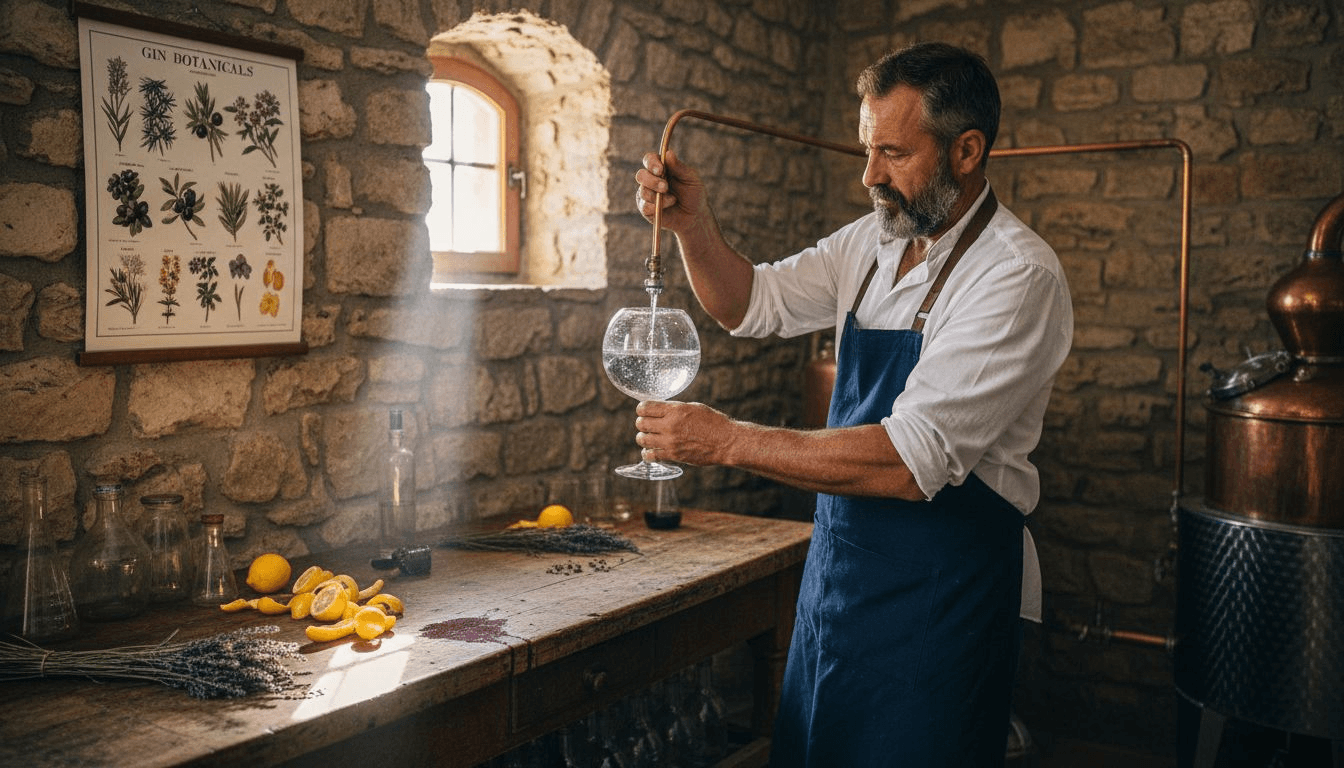
Finding a gin that genuinely captures the soul of the Mediterranean can feel like a search for authenticity in a world of imitation. For those who crave botanical diversity and value time-honored techniques, the world of artisanal gin offers a refreshing escape from mass-produced monotony. Discover what defines true craft spirits, explore the myths, and learn how premium Mediterranean gin tells a story with every bottle.
Table of Contents
- Artisanal Gin Defined And Common Myths
- Mediterranean Gin Styles And Botanicals
- Traditional Versus Industrial Gin Production
- Key Sensory Qualities And Tasting Notes
- Risks, Costs, And Buying Mistakes
Key Takeaways
| Point | Details |
|---|---|
| Artisanal Gin Characteristics | Artisanal gin is defined by small batch production, unique botanical selections, and handcrafted distillation methods that emphasize local ingredients. |
| Botanical Diversity | The use of diverse botanic elements, including herbs and fruits, enhances the flavor profiles and reflects regional terroir. |
| Traditional vs. Industrial Production | Traditional gin production focuses on small-batch, artisanal methods, contrasting with the efficiency-driven approaches of industrial production that prioritize volume over complexity. |
| Smart Purchasing Strategies | To avoid common pitfalls, consumers should research brands, inquire about ingredient sourcing, and prioritize tasting over assumptions based on price or marketing. |
Artisanal Gin Defined and Common Myths
Gin represents a fascinating spirit with complex historical roots and evolving modern interpretations. Historical medicinal origins trace back to European monks and alchemists who initially created juniper-based liquors for therapeutic purposes. Today, artisanal gin represents a sophisticated craft that transcends its humble beginnings.
Understanding artisanal gin requires distinguishing it from mass-produced varieties through several key characteristics:
- Small batch production: Limited quantities crafted with meticulous attention
- Unique botanical selections: Carefully curated ingredients beyond standard juniper
- Handcrafted distillation: Personal techniques passed through generations
- Regional ingredient focus: Emphasizing local and seasonal botanicals
Contrary to popular misconceptions, artisanal gin is not merely an expensive marketing gimmick. Gin's cultural significance demonstrates a rich narrative of craftsmanship and cultural innovation. Mass-produced spirits often lack the nuanced flavor profiles and intentional complexity that define true artisanal expressions.
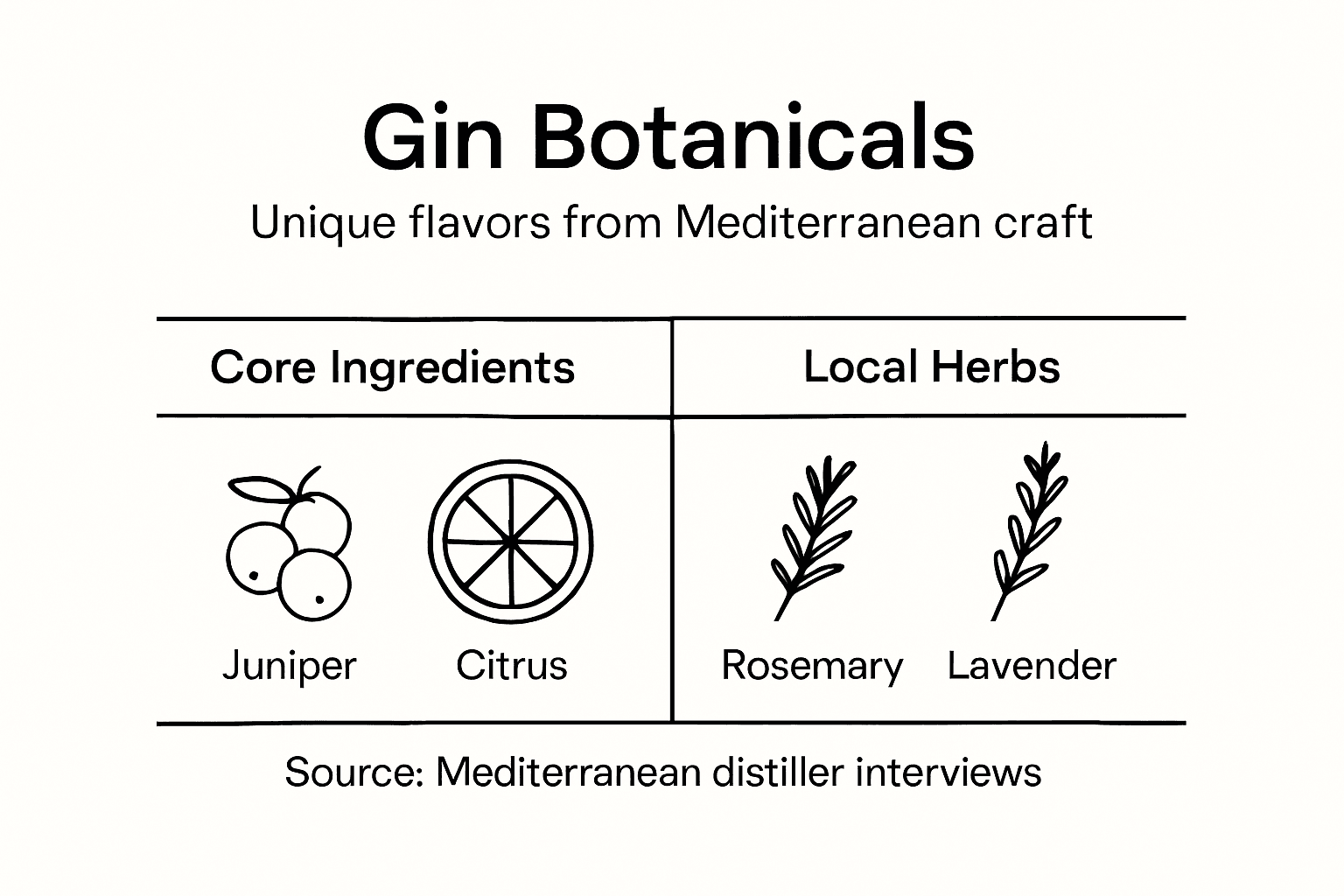
Botanical diversity distinguishes premium gins. While traditional recipes rely heavily on juniper, modern artisanal distillers experiment with ingredients ranging from Mediterranean citrus to rare mountain herbs. This approach transforms gin from a simple spirit into a storytelling medium that captures regional terroir and cultural heritage.
Pro tip: When exploring artisanal gins, focus on producers who transparently share their ingredient sources and distillation methods, as this indicates genuine craftsmanship.
Mediterranean Gin Styles and Botanicals
Mediterranean gin styles represent a vibrant culinary tradition that transforms the classic spirit into a nuanced expression of regional terroir. Unlike standard gin recipes, Mediterranean varieties showcase an extraordinary depth of botanical complexity that reflects the rich agricultural landscapes of Southern Europe.
The distinctive characteristics of Mediterranean gin styles emerge from their unique botanical selections:
- Citrus-forward profiles: Incorporating local citrus like Sicilian lemons and Amalfi Coast oranges
- Herb-infused expressions: Utilizing Mediterranean herbs such as rosemary, thyme, and sage
- Coastal botanical influences: Integrating sea botanicals and salt-influenced ingredients
- Grape-based distillation techniques: Leveraging regional wine-making traditions
Understanding the botanical diversity requires exploring the intricate flavor landscapes. Mediterranean distillation traditions demonstrate how local herbs, spices, and fruits transform gin from a simple spirit into a complex sensory experience. Distillers carefully select ingredients that capture the essence of their specific regional environment.
Traditional Mediterranean gin production goes beyond mere ingredient selection. It represents a deep cultural practice where each botanical tells a story of landscape, climate, and generations of agricultural knowledge. The result is a spirit that is simultaneously local and universal, bridging traditional craftsmanship with innovative flavor exploration.

Pro tip: When tasting Mediterranean gins, allow the spirit to breathe and note how each botanical reveals itself gradually, telling the unique story of its origin.
Traditional Versus Industrial Gin Production
Traditional gin production represents a meticulous craft that transforms distillation into an art form, contrasting sharply with the mechanized approaches of industrial manufacturing. The fundamental difference lies not just in scale, but in philosophical approach to spirit creation.
Key distinctions between traditional and industrial gin production include:
- Distillation methodology:
- Traditional: Copper pot stills, small-batch processes
- Industrial: Large column stills, continuous production
- Botanical integration:
- Traditional: Whole botanicals carefully layered during distillation
- Industrial: Extract-based flavoring techniques
- Quality control:
- Traditional: Individual batch assessment
- Industrial: Statistical sampling and standardization
- Ingredient sourcing:
- Traditional: Local, seasonal, traceable ingredients
- Industrial: Bulk, standardized global ingredient procurement
Botanical complexity represents the most profound divergence. Industrial production techniques often prioritize consistency and volume over the nuanced flavor profiles that artisan distillers meticulously cultivate. Where industrial processes might add botanical essences post-distillation, traditional methods integrate ingredients during the distillation process, allowing for deeper flavor infusion and more complex sensory experiences.
Traditional gin production is fundamentally a narrative of place and practice. Each small batch tells a story of local terroir, generational knowledge, and craftsmanship that industrial methods simply cannot replicate. The result is not just a spirit, but a liquid representation of cultural heritage and botanical expertise.
Here's a summary comparing traditional and industrial gin production approaches:
| Aspect | Traditional Production | Industrial Production |
|---|---|---|
| Batch Size | Small, limited releases | Large, continuous output |
| Ingredient Sourcing | Local and seasonal | Standardized, global suppliers |
| Flavor Profile | Nuanced and complex | Consistent but less detailed |
| Quality Assurance | Hands-on batch assessment | Automated, statistical checks |
| Craftsmanship Focus | Artisanal, heritage methods | Efficiency and scalability |
Pro tip: When selecting a gin, look for transparency in production methods and specific details about botanical sourcing to distinguish truly artisanal spirits from mass-produced alternatives.
Key Sensory Qualities and Tasting Notes
Mediterranean gin tasting techniques reveal a complex sensory journey that transforms gin from a mere alcoholic beverage into a nuanced culinary experience. Understanding these sensory qualities requires a sophisticated approach to appreciating the intricate botanical profiles crafted by artisan distillers.
The fundamental components of gin sensory analysis include:
- Aroma Profile:
- Primary juniper essence
- Secondary botanical notes
- Layered herbal and citrus undertones
- Palate Characteristics:
- Initial flavor impression
- Mid-palate complexity
- Finish and aftertaste
- Texture Considerations:
- Smoothness
- Alcohol integration
- Mouthfeel nuances
Flavor complexity represents the hallmark of exceptional artisanal gins. Gin tasting frameworks demonstrate that true appreciation extends beyond simple taste perception, involving a holistic sensory exploration that engages multiple aspects of gustatory and olfactory experience. Mediterranean gins particularly excel in delivering multi-dimensional flavor landscapes that tell stories of regional botanicals and traditional craftsmanship.
The sensory journey of an artisanal gin is fundamentally about narrative and place. Each sip reveals layers of botanical complexity, from bright citrus notes to deep herbal undertones, creating a liquid representation of its geographic and cultural origins. The most exceptional gins transform tasting from a simple act of consumption into an immersive sensory experience that connects drinkers with generations of distillation expertise.
Pro tip: Allow gin to breathe by letting it rest in the glass for 2-3 minutes before tasting, which helps release more intricate aromatic compounds and enhances the overall sensory experience.
Risks, Costs, and Buying Mistakes
Premium gin purchasing risks extend far beyond simple financial considerations, encompassing complex challenges of authenticity, quality, and consumer education. Artisanal gin represents a sophisticated market where uninformed buyers can easily fall prey to misleading marketing and overpriced mediocre products.
Common risks and costly mistakes in artisanal gin purchasing include:
- Price Misconceptions:
- Assuming higher price equals better quality
- Overlooking smaller, less-known producers
- Paying for brand reputation instead of craft
- Quality Verification Challenges:
- Limited understanding of production methods
- Inability to distinguish authentic artisanal spirits
- Lack of transparent ingredient sourcing information
- Purchasing Pitfalls:
- Falling for marketing hype
- Ignoring botanical diversity
- Purchasing without tasting or research
Navigating the artisanal gin landscape requires critical consumer skills. Historical consumption patterns reveal that misinformation and lack of understanding can lead to poor purchasing decisions. Smart buyers must develop a nuanced approach that goes beyond superficial brand promises and delves into genuine craftsmanship indicators.
The most significant risk lies in conflating mass production with artisanal craft. True artisanal gin represents a meticulous process of botanical selection, traditional distillation techniques, and a deep respect for regional culinary traditions. Consumers must learn to recognize subtle markers of authenticity that distinguish genuine craft spirits from commercially manufactured imitations.
Use this table to guide smarter artisanal gin purchases:
| Mistake Type | Impact | Smart Buyer Strategy |
|---|---|---|
| Blindly trusting price | Potential overpayment | Research brand and method |
| Ignoring ingredient info | Risk of poor quality | Request detailed sourcing details |
| Neglecting to taste | Disappointment in flavor | Sample before purchasing when possible |
| Falling for marketing claims | Overlook authenticity | Look for transparent distillation techniques |
Pro tip: Request a detailed production description from the distillery and look for specific information about botanical origins, distillation methods, and small-batch production to validate the gin's artisanal credentials.
Discover the True Essence of Artisanal Mediterranean Gin
Are you ready to experience artisanal gin as it was meant to be? This article highlights the challenge of finding authentic Mediterranean-style gins crafted with genuine botanical diversity, traditional distillation methods, and regional heritage. Many consumers struggle with overpriced, mass-produced options that lack the flavor complexity and cultural narrative that true craft gin offers. If you value small batch production, unique botanical selections, and handcrafted quality, exploring our curated collection is the perfect next step.
Explore the unique flavors of Gin Niro, a premium Mediterranean gin made with aromatic Zibibbo grapes and fresh Sicilian citrus that captures the spirit of its terroir. Discover how traditional methods and authentic ingredients combine to create a sophisticated sensory journey. Visit the Homepage – Gin Niro to learn more about our artisanal process and product story. Start your journey toward genuine artisanal gin with confidence at https://ginniro.it. Elevate your gin experience now with a spirit that truly honors Mediterranean craft secrets.
Frequently Asked Questions
What is artisanal gin?
Artisanal gin is a premium spirit produced in small batches using traditional distillation methods, unique botanical selections, and a focus on craftsmanship. It emphasizes the use of local, seasonal ingredients to create complex flavor profiles.
How are Mediterranean gin styles different from traditional gin?
Mediterranean gin styles utilize a wide array of local botanicals, such as citrus fruits and Mediterranean herbs, resulting in vibrant and complex flavor profiles that reflect the agricultural richness of the region. Traditional gin often relies on standard botanicals, primarily juniper.
What are the key sensory qualities to look for when tasting artisanal gin?
When tasting artisanal gin, focus on three key sensory qualities: the aroma profile, which includes primary and secondary botanical notes; the palate characteristics, including initial flavor and aftertaste; and the texture, which involves smoothness and mouthfeel.
What common mistakes should I avoid when purchasing artisanal gin?
When purchasing artisanal gin, avoid blindly trusting higher prices as indicators of quality, neglecting ingredient transparency, overlooking the importance of tasting before buying, and falling for marketing claims that don't reflect the gin's authenticity.