

Many people think gin tastes only like juniper pine, but its flavor world is far richer and more complex than that. Mediterranean gins especially showcase botanical diversity that transforms your tasting experience. This guide helps you understand and appreciate these intricate flavor layers, from foundational juniper character to regional citrus and herbal notes that define premium Mediterranean styles.
Table of Contents
- Introduction To Gin Flavor Profiles
- Key Botanicals And Their Flavor Contributions
- Unique Mediterranean Botanical Inputs
- Distillation Techniques And Their Flavor Effects
- Common Misconceptions About Gin Flavor
- Sensory Training To Enhance Gin Tasting
- Conclusion: Enhancing Your Mediterranean Gin Experience
- Discover Authentic Mediterranean Gin At Gin Niro
- Frequently Asked Questions
Key Takeaways
| Point | Details |
|---|---|
| Juniper Dominance | Juniper is legally required as the dominant flavor in all gin worldwide, providing the signature piney backbone. |
| Mediterranean Botanicals | Mediterranean gins feature unique citrus peels, rosemary, thyme, and terroir-influenced herbs creating lighter, zestier profiles. |
| Distillation Impact | Maceration and vapor infusion methods dramatically affect how botanical flavors are extracted and expressed. |
| Palate Training | Regular sensory practice with individual botanicals improves your flavor recognition accuracy by over 30%. |
| Profile Understanding | Knowing botanical contributions enhances your ability to select and enjoy premium gins confidently. |
Introduction to Gin Flavor Profiles
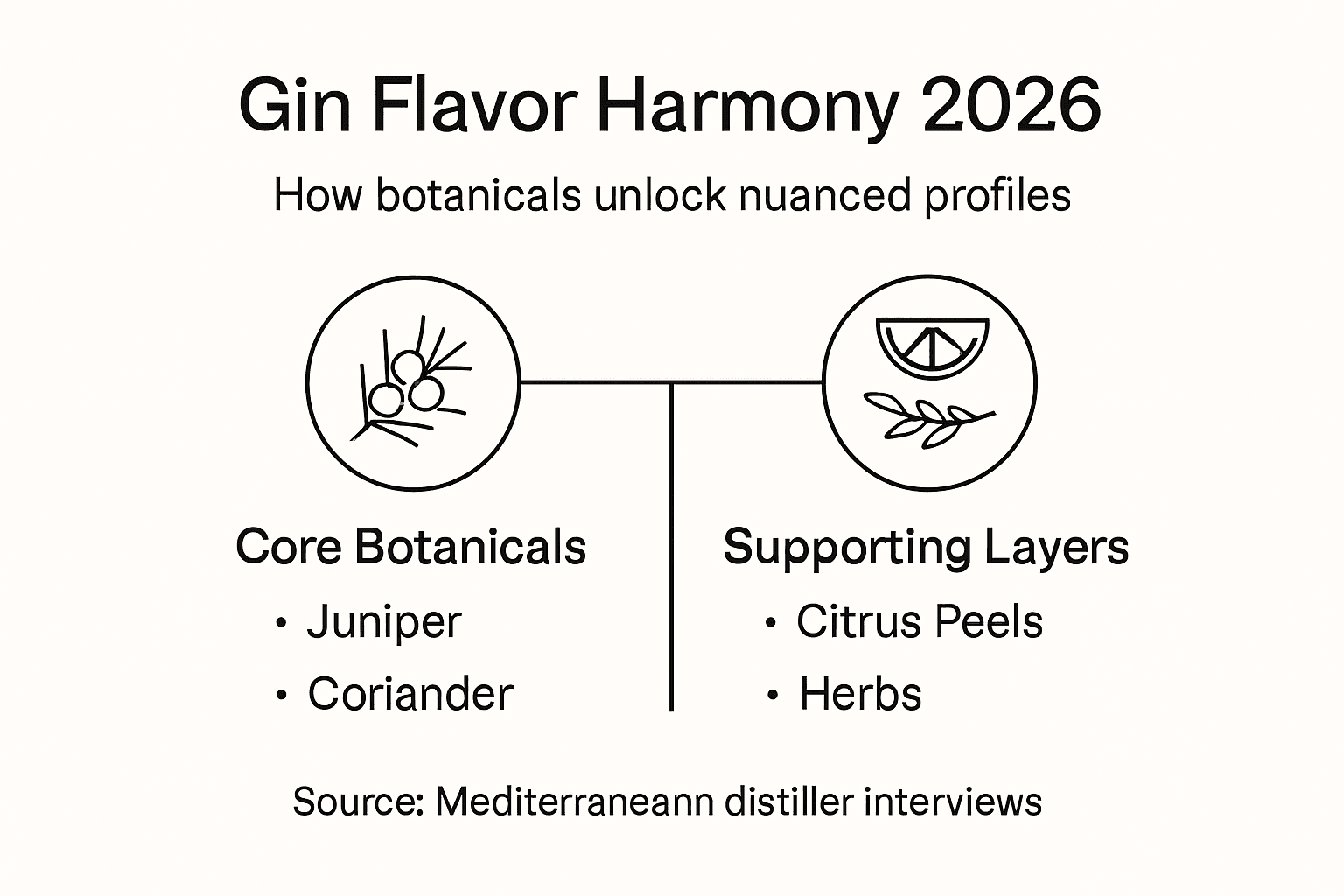
Juniper berries provide gin's legally required dominant piney, resinous backbone with aromatic compounds like alpha-pinene. Every gin worldwide must have juniper as its predominant flavor to legally carry the name. But this legal requirement is just the starting point.
Gin's true complexity emerges from layering multiple botanicals beyond juniper. Most recipes balance juniper with supporting ingredients that add depth, character, and regional identity. Understanding this foundation is essential before you can fully appreciate what makes Mediterranean styles distinctive.
Common base botanicals appearing across gin styles include:
- Coriander seeds adding citrusy, peppery warmth
- Angelica root contributing earthy, woody depth
- Orris root providing floral, powdery elegance
- Citrus peels delivering bright, zesty top notes
- Cardamom introducing sweet, aromatic spice
These botanicals work together to create flavor harmony. The juniper role in gin flavor remains central, but surrounding ingredients shape the overall profile. Think of juniper as the canvas and other botanicals as the paint creating unique flavor portraits.
Key Botanicals and Their Flavor Contributions
Each botanical brings specific flavor attributes that build complexity. Typical gin recipes use 4 to 10 botanicals, each adding unique layers like spice, earthiness, or floral notes. Understanding these contributions transforms how you taste and appreciate gin.
Coriander seeds provide citrusy brightness with subtle spice undertones. When you detect lemon or orange notes beyond citrus peels, coriander often delivers that impression. Angelica root adds earthy, woody depth that anchors the botanical blend and extends finish length.
Orris root contributes delicate floral, powdery characteristics reminiscent of violets. This botanical also acts as a fixative, helping bind other flavors together for better integration. Citrus peels, whether lemon, orange, or grapefruit, deliver immediate zesty brightness that lifts the spirit.
Common botanical contributions include:
- Coriander: citrusy, spicy warmth with pepper notes
- Angelica root: earthy, woody foundation and extended finish
- Orris root: floral elegance and flavor integration
- Citrus peels: bright, zesty top notes and freshness
- Licorice root: sweet, anise-like depth and mouthfeel
This botanical diversity creates the foundation for a gin's unique profile. Distillers carefully balance proportions to achieve their vision while maintaining juniper dominance. Pairing gin botanicals with Mediterranean cuisine becomes more intuitive when you recognize these individual flavor signatures.
Unique Mediterranean Botanical Inputs
Mediterranean gins distinguish themselves through local botanicals shaped by regional terroir. These spirits highlight herbs like rosemary, thyme, and native citrus peels that reflect their geographic origins. The result is a flavor profile that tends toward lighter, zestier, and more herbaceous notes compared to traditional styles.
Terroir influences flavor through soil composition and climate effects on botanicals. Sicilian lemon peels carry different aromatic intensity than Spanish varieties due to growing conditions. Native herbs develop distinct essential oil profiles based on Mediterranean sun exposure and coastal breezes.
Unique botanicals create signature Mediterranean characteristics:
- Rosemary: piney freshness distinct from juniper, with camphor notes
- Thyme: savory, earthy herbal complexity
- Sicilian citrus: intensely aromatic lemon and blood orange peels
- Zibibbo grapes: fruity, floral aromatic contributions
- Wild fennel: anise-like sweetness with Mediterranean character
The unique flavor of Mediterranean gin emerges from these terroir-driven ingredients. Mediterranean profiles are generally less juniper-dominant than London Dry styles, allowing citrus and herbal notes to shine more prominently.
| Style | Juniper Intensity | Citrus Character | Herbal Notes | Overall Profile |
|---|---|---|---|---|
| London Dry | Very High | Moderate | Light | Bold, piney, classic |
| Mediterranean | Moderate to High | Very High | Very High | Bright, herbaceous, zesty |
| New Western | Low to Moderate | Variable | Variable | Experimental, diverse |
Pro Tip: When tasting Mediterranean gin, focus your nose on the citrus and herbal layers first, then let juniper emerge as the supportive backbone rather than the dominant force.
Distillation Techniques and Their Flavor Effects
Different distillation methods such as maceration and vapor infusion affect botanical flavor extraction differently, impacting the gin's taste complexity and mouthfeel. These techniques determine how aggressively or delicately botanicals release their essential oils into the spirit.
Maceration involves steeping botanicals directly in neutral spirit before distillation. This method extracts rich, full flavors with deeper color and heavier mouthfeel. The extended contact time pulls more oils and compounds from the botanicals.
Vapor infusion passes alcohol vapor through botanicals suspended in a basket above the still. This gentler approach captures lighter, fresher notes with cleaner, more delicate character. The vapor selectively extracts volatile aromatic compounds without heavy oils.
Distillation method effects follow this progression:
- Maceration produces bold, full-bodied flavor with rich botanical expression and slightly heavier texture.
- Vapor infusion creates lighter, more ethereal profiles highlighting delicate top notes and fresh character.
- Hybrid methods combine both techniques, using maceration for hearty botanicals and vapor infusion for delicate ones.
- Mediterranean distillers often blend approaches to showcase subtle citrus and herbs without overwhelming them.
Choice of method influences flavor intensity and mouthfeel significantly. Distillation methods in Mediterranean gins often favor vapor infusion or hybrid approaches to preserve the bright, fresh qualities of regional citrus and herbs. Understanding these methods helps you decode flavor differences when tasting multiple gins side by side.
Common Misconceptions About Gin Flavor
Several persistent myths limit how people appreciate gin's botanical complexity. The most common misconception is that gin only tastes like juniper pine. Reality involves diverse botanicals including citrus, herbs, florals, and spices that create layered flavor experiences.
Another widespread belief suggests all gins taste essentially the same. This ignores massive regional and botanical differences, especially between London Dry and Mediterranean styles. Each distiller's recipe and technique produces distinct flavor signatures.
False assumptions about gin flavor include:
- More juniper always equals better quality, overlooking balanced flavor harmony
- Gin must taste harsh or medicinal, ignoring smooth, well-crafted expressions
- Premium gin only works in cocktails, dismissing the value of neat tasting
- Botanical complexity is just marketing, rather than genuine flavor diversity
- All citrus notes come from citrus peels, missing coriander's citrusy contributions
Tasting gin neat with focused attention reveals subtle flavor layers invisible in mixed drinks. Using aroma kits with individual botanicals dramatically improves your identification accuracy and appreciation depth.
Understanding that gin's flavor world extends far beyond juniper pine opens up an entire spectrum of tasting experiences. Mediterranean styles particularly showcase this botanical diversity through regional ingredients and terroir expression.
Pro Tip: Approach gin tasting with an open mind to botanical complexity for a richer experience. Let go of preconceptions about what gin "should" taste like and focus on what you actually detect in the glass.
Sensory Training to Enhance Gin Tasting
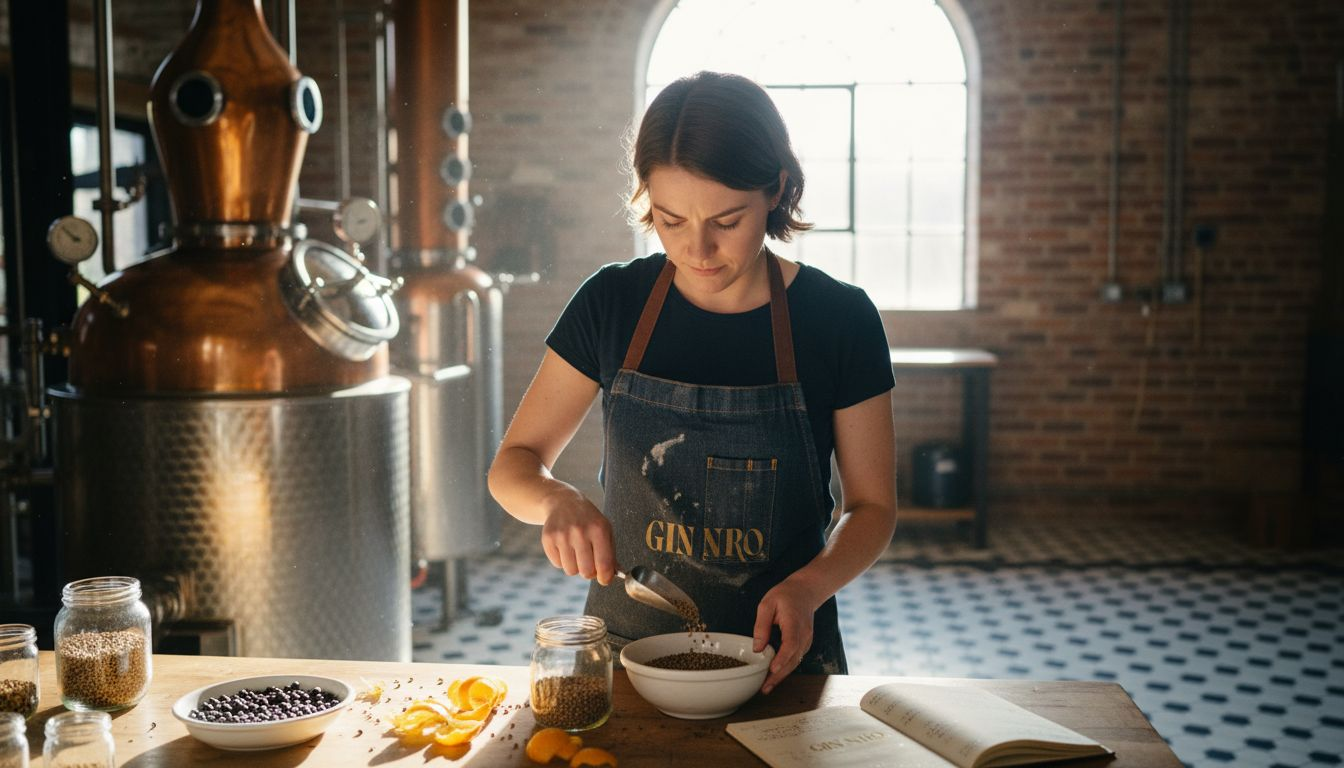
Training the nose using a DIY aroma kit and smelling individual botanicals improves the ability to identify and appreciate gin's complex flavor layers. Regular practice builds neural pathways that enhance recognition accuracy and tasting confidence.
Creating your own botanical aroma kit costs little but delivers significant results. Purchase small quantities of common gin botanicals from spice shops or online suppliers. Store each in separate small jars for dedicated smelling practice.
Systematic sensory training follows this progression:
- Assemble 8 to 10 key botanicals in individual containers: juniper, coriander, angelica, orris, citrus peels, cardamom, and Mediterranean herbs.
- Smell each botanical individually for 20 to 30 seconds, focusing on specific aromatic characteristics and mental associations.
- Practice blind identification by having someone present botanicals randomly until you achieve consistent accuracy.
- Progress to smelling botanicals in pairs and trios to understand how they interact and layer.
- Taste gin neat after botanical training, actively searching for individual botanical signatures you've studied.
Regularly comparing botanicals improves your recognition accuracy by over 30 percent within weeks. This enhanced perception reveals subtle nuances in sensory training for gin appreciation that previously went unnoticed. You'll start detecting specific botanicals in gins where you only sensed generic "gin flavor" before.
Tasting gin neat with a focused sensory approach unlocks layers invisible in cocktails. Add a few drops of water to open up aromatics, then nose the spirit deeply before sipping. Let the liquid coat your entire palate to capture the full flavor spectrum from bright top notes to lingering finish.
Conclusion: Enhancing Your Mediterranean Gin Experience
Mediterranean botanicals and terroir influence create distinctive gin profiles worth exploring deeply. The regional citrus intensity, herbal complexity, and balanced juniper presence offer a different flavor journey than traditional styles. Understanding these characteristics transforms casual drinking into engaged appreciation.
Applying sensory training heightens your tasting experience exponentially. Regular practice with individual botanicals builds the recognition skills that unlock gin's full complexity. You'll taste with greater confidence and discover nuances that enrich every sip.
Exploring artisanal Mediterranean gins lets you experience the flavors discussed throughout this guide. Spirits like Gin Niro showcase the botanical traditions, terroir expressions, and craftsmanship that define the Mediterranean approach. Each bottle tells a story of regional ingredients and distillation expertise.
Connecting your understanding of botanical profiles with selecting premium gins elevates your entire spirits experience. You move from choosing based on brand recognition to selecting based on flavor preferences and botanical interests. This knowledge empowers you to explore confidently and discover Mediterranean gin aromas and identity with genuine appreciation.
Your gin journey has no endpoint, only deeper layers of discovery. Each tasting builds on previous knowledge, revealing new dimensions in familiar spirits and exciting possibilities in new ones.
Discover Authentic Mediterranean Gin at Gin Niro
Gin Niro embodies the Mediterranean botanical tradition detailed throughout this guide. The brand uses distinctive local herbs and Sicilian citrus that enhance authentic flavor profiles you've learned to recognize and appreciate.
Explore how premium gin craftsmanship combines traditional distillation with regional ingredients. Gin Niro's artisanal Mediterranean approach showcases the terroir-driven botanicals and balanced profiles that define this distinctive style. Visit the Gin Niro collection to discover spirits crafted with the expertise and botanical knowledge you now possess. Your enhanced understanding makes every bottle a deeper tasting experience.
Frequently Asked Questions
What botanical flavors are unique to Mediterranean gin?
Mediterranean gins feature rosemary, thyme, wild fennel, and intensely aromatic Sicilian citrus peels that reflect regional terroir. Some also incorporate zibibbo grapes for fruity, floral notes distinct from traditional gin botanicals.
How does distillation method influence gin taste and aroma?
Maceration creates bold, full-bodied flavors by steeping botanicals in spirit, while vapor infusion produces lighter, more delicate profiles by passing vapor through botanicals. Mediterranean distillers often use hybrid methods to preserve bright citrus and herbal freshness.
Why is juniper legally required in gin production?
Juniper must be the predominant flavor for a spirit to legally be called gin worldwide. This regulation preserves gin's defining piney, resinous character while allowing botanical creativity within that framework.
How can I improve identifying gin flavors at home?
Create a DIY aroma kit with individual botanicals like juniper, coriander, citrus peels, and herbs. Regular blind smelling practice improves your recognition accuracy by over 30 percent, making botanical identification far easier during tastings.
Does drinking gin neat help with flavor appreciation?
Yes, tasting gin neat reveals subtle botanical layers that cocktail mixing obscures. Adding a few drops of water opens up aromatics, allowing you to distinguish gin flavor profiles more clearly and identify individual botanical contributions.