
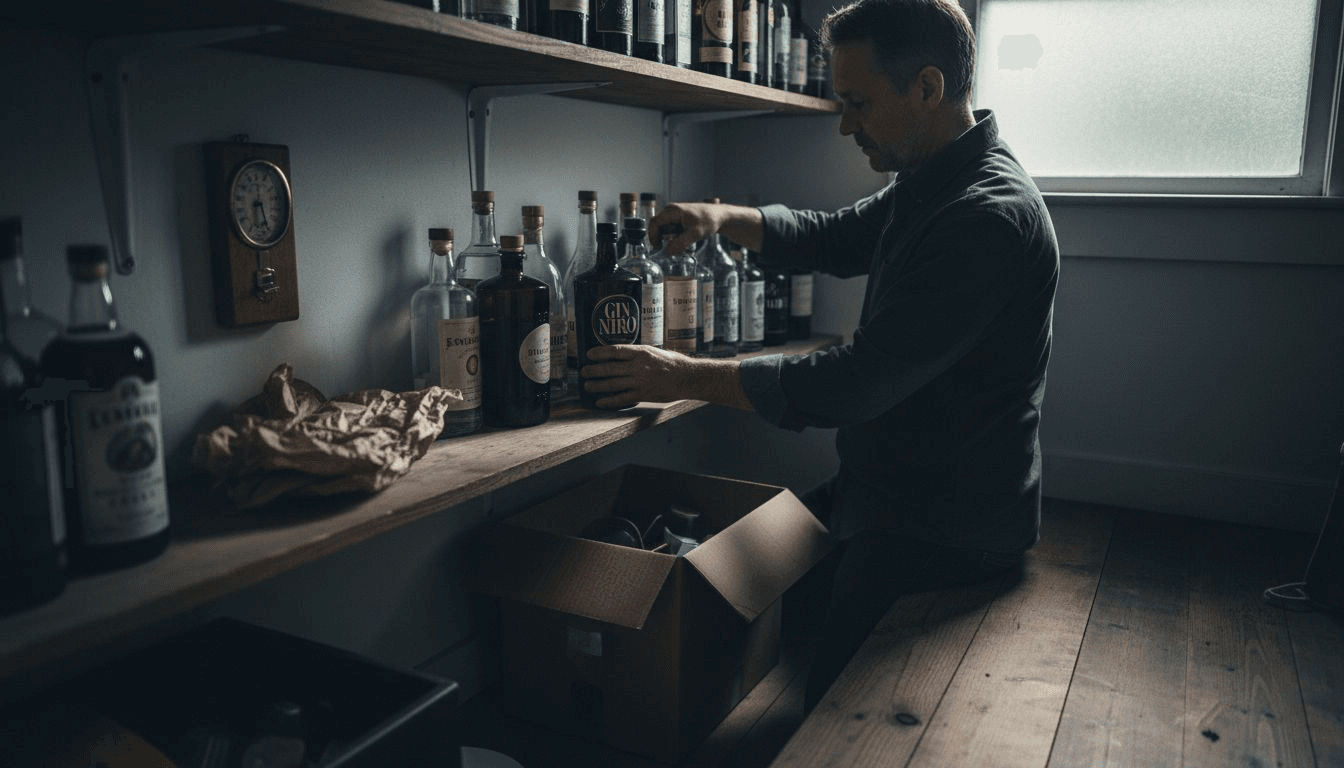
You invested in a bottle of exceptional gin, anticipating layers of juniper, citrus, and botanical complexity. Weeks later, the first pour disappoints: flat notes, muted aromas, a stale finish. Premium gin demands careful storage to protect its delicate flavor profile and preserve your investment. This guide delivers expert techniques to maintain botanical integrity and extend shelf life.
Table of Contents
- Prerequisites: What You Need Before Storing Gin
- Step 1: Optimal Temperature and Humidity Conditions
- Step 2: Light Exposure and Bottle Positioning
- Step 3: Handling Practices and Bottle Seal
- Step 4: Alternative Storage Methods and Considerations
- Common Mistakes and How to Avoid Them
- Expected Outcomes and Success Metrics
- Enhance Your Gin Journey With Gin Niro
- Frequently Asked Questions
Key Takeaways
| Point | Details | |-------|---------|| | Ideal temperature is 13-20°C | Maintains botanical integrity and prevents oxidation acceleration | | Store upright in darkness | Protects corks from contact and blocks UV damage to botanicals | | Seal tightly after use | Limits oxygen exposure and reduces evaporation risk | | Freezer storage is optional | Safe for pure gin but not necessary for preservation | | Opened gin lasts two years | Proper storage conditions maintain quality for up to 24 months |
Prerequisites: What You Need Before Storing Gin
Successful gin storage begins with the right environment and tools. You need a suitable cool, dry, and dark location with 15-20°C ideal temperature away from windows and heat sources. A basement, interior closet, or dedicated cabinet works perfectly. Temperature stability matters more than the exact degree.
Humidity control protects bottle seals. Target 50-60% relative humidity to keep corks pliable without encouraging mold growth. Too dry, and corks crack and shrink. Too humid, and labels peel while mold attacks closures. A simple hygrometer monitors conditions.
Gather these essentials before organizing your collection:
- Airtight bottle caps or replacement corks for damaged seals
- Smaller glass bottles for decanting partially consumed gin
- Hygrometer and thermometer for environmental monitoring
- Opaque storage boxes or original packaging for light protection
- Cleaning cloth to wipe bottle necks after pouring
Understand that oxidation begins the moment you break a bottle's seal. Oxygen interacts with botanicals, gradually dulling their vibrant character. This process accelerates in warm conditions or when bottles sit half empty with large air pockets. Your storage strategy must minimize these exposure factors.
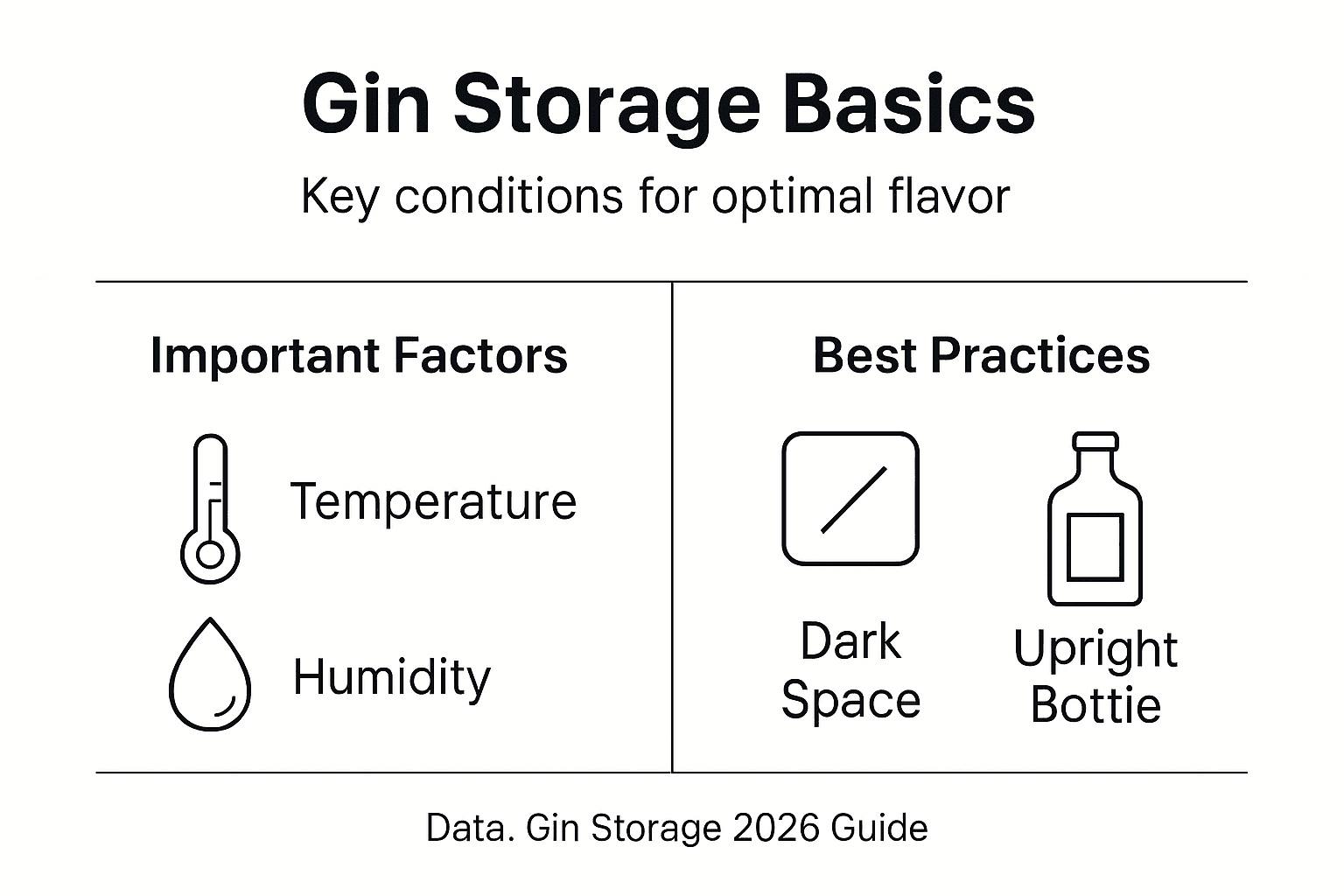
Storage Requirements Overview
| Factor | Optimal Range | Purpose | |--------|---------------|---------|| | Temperature | 13-20°C | Slows oxidation and botanical degradation | | Humidity | 50-60% | Maintains cork integrity | | Light Exposure | Complete darkness | Prevents UV damage to delicate compounds | | Bottle Position | Upright | Eliminates cork contact with liquid | | Air Contact | Minimal | Reduces oxidation rate |
Knowing your premium gin characteristics helps you appreciate why storage matters. Artisanal gins feature delicate botanical balances that deteriorate faster than neutral spirits. The investment in proper conditions pays dividends in sustained quality.
Step 1: Optimal Temperature and Humidity Conditions
Temperature control forms the foundation of effective gin storage. The ideal temperature for storing gin is between 13°C and 20°C to maintain botanical integrity and prevent oxidation. This range slows chemical reactions that degrade flavor compounds without requiring refrigeration.
Consistency beats perfection. A stable 18°C environment outperforms fluctuating conditions between 10°C and 25°C. Temperature swings stress botanicals and cause liquid expansion that compromises seals. Your storage location should maintain steady conditions year-round.
Humidity deserves equal attention. The 50-60% sweet spot keeps natural corks supple and airtight. Below 40%, corks dry out, shrink, and allow oxygen infiltration. Above 70%, moisture encourages mold growth on labels and closures while potentially affecting synthetic seals.
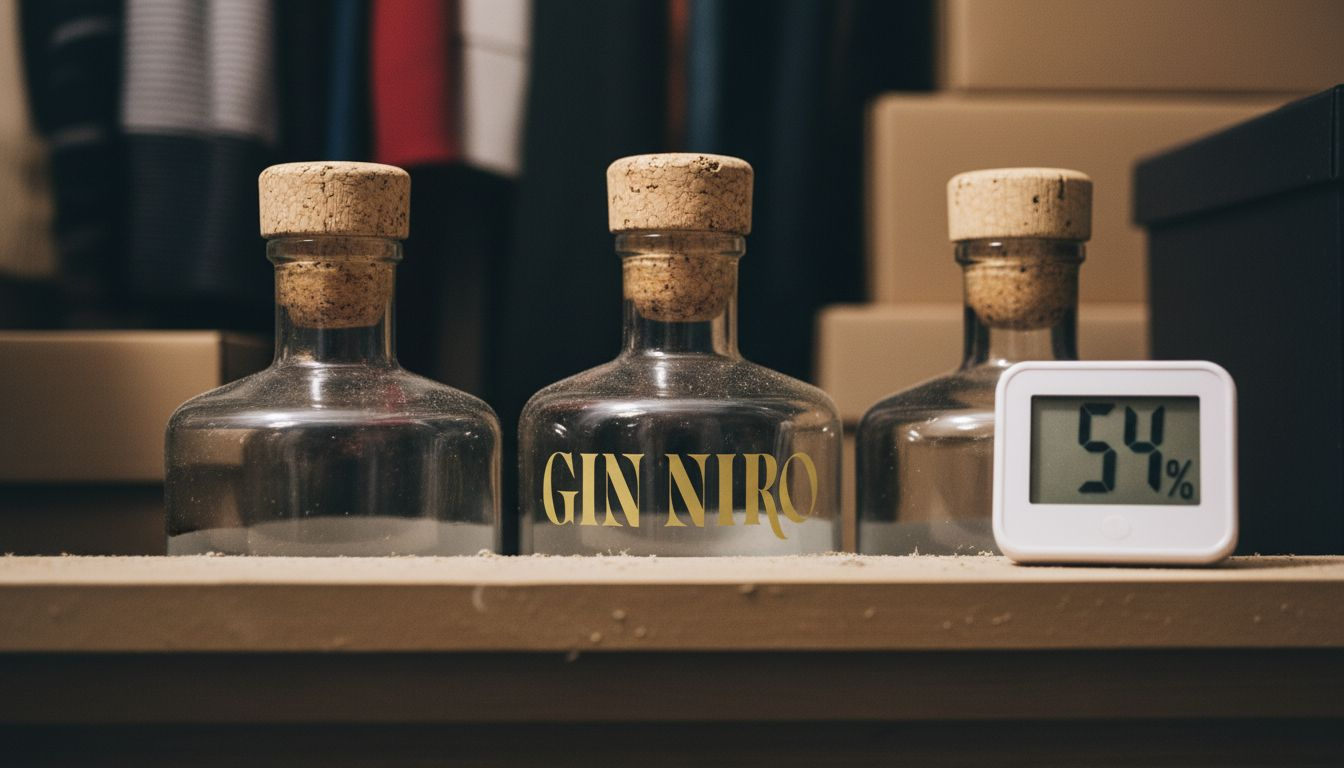
Pro Tip: Place a small bowl of water in dry storage areas to raise humidity naturally, or use a dehumidifier in damp basements to protect your collection from excess moisture.
Monitor your storage environment actively:
- Check temperature and humidity weekly with accurate instruments
- Adjust ventilation or heating to maintain target ranges
- Rotate bottles away from problem spots if readings drift
- Document conditions to identify seasonal patterns
Understanding gin aging impact reveals why environmental control matters. Unlike wine, gin does not improve with age. Your goal is preservation, not development. Every degree above optimal and every percentage point of excess humidity accelerates the countdown to diminished quality.
Seasonal adjustments keep conditions stable. Summer heat may require moving bottles to cooler interior spaces. Winter heating systems dry air, demanding humidification. Vigilance pays off in consistently excellent pours.
Step 2: Light Exposure and Bottle Positioning
Light destroys gin quality faster than most connoisseurs realize. UV rays and even visible light break down delicate botanical compounds, creating off-flavors and stale notes. Clear glass offers no protection. Colored glass helps but cannot eliminate all damage.
Store bottles in complete darkness. A closed cabinet, drawer, or cellar blocks all light exposure. If your storage space has windows, use blackout curtains or relocate bottles to interior rooms. Original cardboard packaging provides excellent light protection while adding a humidity buffer.
Bottle orientation matters tremendously. Storing gin bottles upright prevents cork deterioration and reduces risk of flavor contamination or evaporation. When liquid contacts cork material, it extracts unwanted flavors and accelerates seal breakdown. Extended contact can cause leakage.
Position bottles away from all heat sources:
- Keep 2 meters from radiators, ovens, and heating vents
- Avoid upper kitchen cabinets where heat rises
- Never store near sunny windowsills or glass doors
- Place away from electronic equipment generating warmth
Pro Tip: Wrap bottles in brown paper or store in wine gift boxes for extra light protection during transport or temporary storage situations.
Your gin flavor profile preservation depends on blocking photochemical reactions. Mediterranean-style gins with citrus and floral notes prove especially vulnerable to light damage. These bright, fresh characters fade quickly under exposure.
Create a dedicated storage zone combining darkness with proper positioning. Label shelves to track bottle placement and consumption dates. This system ensures older bottles get consumed first while maintaining ideal conditions for your entire collection.
Step 3: Handling Practices and Bottle Seal
Every interaction with your gin bottle affects its longevity. The moment you remove a cap, oxygen begins its slow work degrading botanicals. Your handling discipline determines how long opened bottles maintain peak quality.
Follow these steps after every pour:
- Close the cap firmly until you feel resistance, ensuring a complete seal
- Wipe the bottle neck clean with a dry cloth to prevent sticky residue attracting dust
- Return the bottle immediately to its upright storage position in darkness
- Note the date if this was the first opening for consumption tracking
Never leave pourers or open caps on bottles between uses. These convenient tools increase evaporation dramatically and allow continuous oxygen exposure. The few seconds saved pouring does not justify the flavor loss over weeks.
When a bottle drops below half full, consider decanting. Transfer remaining gin to a smaller container, minimizing the air-to-liquid ratio. Glass bottles work best as plastic can impart flavors. This simple step dramatically slows oxidation in the final stages of consumption.
Heat accelerates every degradation process. Heat exposure can reduce shelf life of spirits including gin by up to 25% over several years by accelerating chemical degradation. A bottle stored at 25°C deteriorates noticeably faster than one kept at 15°C.
Protect your investment through mindful handling:
- Pour with steady hands to avoid spills requiring extensive cleanup
- Always reseal immediately rather than leaving bottles open during gatherings
- Store partially empty bottles horizontally only during active serving
- Check seals monthly for deterioration and replace damaged closures promptly
Understanding aroma's impact on gin flavor highlights why sealing matters. Volatile aromatic compounds escape first through poor seals, stripping away the complexity that defines premium gin. Protect these precious elements through diligent closure practices.
Step 4: Alternative Storage Methods and Considerations
Freezer storage sparks debate among gin enthusiasts. Pure gin, with its high alcohol content, has a freezing point below -27°C. Your standard home freezer operates around -18°C, making freezing impossible. The cold temperature does offer benefits for serving preferences.
Freezer-stored gin pours thick and smooth, with alcohol harshness diminished. This appeals to those who enjoy gin neat or in spirit-forward cocktails. The chill reduces perceived bitterness and emphasizes botanical sweetness. However, this method offers no preservation advantage over proper room temperature storage.
Exercise caution with flavored or liqueur-style gins. Lower alcohol content or added sugars can cause these products to freeze partially or develop unpleasant textures. Check alcohol by volume before freezing anything below 40% ABV.
Storage Method Comparison
| Method | Advantages | Considerations |
|---|---|---|
| Freezer | Smooth serving texture, reduced alcohol burn | No preservation benefit, may affect flavored gins |
| Room Temperature | Convenient access, no equipment needed | Requires stable, dark, cool environment |
| Refrigerator | Moderate chilling, food-safe environment | Door temperature fluctuates, light exposure risk |
| Wine Cooler | Precise temperature control, dark storage | Investment cost, limited space |
Room temperature storage in a controlled environment remains the gold standard. It preserves gin authentically while maintaining botanical balance exactly as distillers intended. You taste the spirit at its designed serving temperature, experiencing the full flavor spectrum.
Pro Tip: Reserve freezer storage mainly for ready-to-serve bottles you consume within weeks, maintaining serving temperature without dilution from ice.
Some collectors use wine refrigerators set to 15°C for their premium spirits. This approach combines cool storage with darkness and humidity control. The investment makes sense for extensive collections but exceeds the needs of most enthusiasts.
Choose your storage method based on consumption patterns. Bottles opened frequently and consumed within months tolerate more flexibility. Long-term storage for special occasions demands stricter environmental control.
Common Mistakes and How to Avoid Them
Even experienced gin lovers make storage errors that compromise quality. Recognizing these pitfalls helps you protect your collection from preventable degradation.
Warm storage locations top the list of mistakes. Kitchen cabinets above stoves, shelves near heating systems, and sunny bar carts accelerate flavor loss. Heat exposure can reduce shelf life of spirits including gin by up to 25% over several years by accelerating chemical degradation. Move bottles to cooler spaces immediately.
Light exposure runs a close second. Displaying beautiful bottles on open shelves seems attractive but damages contents quickly. UV rays penetrate glass, breaking down botanical compounds within months. If you must display bottles, use LED lighting without UV output and consume them quickly.
Poor sealing practices waste premium gin:
- Leaving pourers attached between uses invites evaporation
- Loose caps allow oxygen infiltration over days and weeks
- Damaged corks need immediate replacement to maintain seal integrity
- Forgetting to close bottles during parties causes rapid oxidation
Storing bottles horizontally damages corks and risks leakage. This wine storage habit does not translate to spirits. Gin's high alcohol content degrades cork material through prolonged contact. Always store upright unless actively pouring.
Neglecting consumption timelines leads to disappointment. Opened gin maintains peak quality for roughly two years under ideal conditions. Beyond this window, even perfect storage cannot prevent gradual decline. Track opening dates and prioritize older bottles.
Pro Tip: Regularly check bottle seals by gently squeezing caps to test firmness, and replace any deteriorated corks with new ones from wine supply stores.
Ignoring environmental monitoring allows problems to develop unnoticed. Temperature creep during summer or humidity drops in winter happen gradually. Monthly checks with proper instruments catch issues before they damage your collection.
Failing to understand aroma preservation tips results in losing the most delicate flavor components first. Volatile aromatic compounds escape through poor storage faster than heavier flavor elements, creating an unbalanced taste profile.
Avoid these mistakes through awareness and simple preventive measures. Your reward is consistently excellent gin that delivers the experience you paid for with every pour.
Expected Outcomes and Success Metrics
Proper storage delivers measurable results you can verify with each pour. Knowing what success looks like helps you evaluate your practices and make adjustments.
Properly stored gin retains its fresh, vibrant aroma for up to two years after opening. Uncap a well-maintained bottle and you should immediately detect bright botanical notes, whether juniper, citrus, floral, or herbal. Faded or musty scents indicate storage problems.
Flavor complexity remains intact:
- Initial taste maintains the intended botanical balance
- Mid-palate development shows distinct layers rather than flat monotony
- Finish delivers the characteristic length and evolution
- No stale, cardboard, or oxidized notes appear
Visual inspection confirms storage success. The liquid should remain crystal clear with no sediment, cloudiness, or color shifts. Gin does not throw sediment like wine, so any particles indicate contamination or seal failure. Color changes, particularly yellowing, signal oxidation or light damage.
No off-putting smells should emerge when you nose the bottle. Properly stored gin smells like itself, showcasing the botanicals featured in its recipe. Cork taint, mustiness, or chemical notes mean storage conditions failed.
Success means every pour delivers the experience reflecting original craftsmanship. You taste the distiller's vision, not the effects of improper storage. This consistency justifies the premium you paid and maximizes your investment value.
Consume opened bottles within recommended timelines for best results:
- First six months: Peak quality with zero degradation
- Six to twelve months: Excellent quality with minimal change
- Twelve to twenty-four months: Good quality if properly stored
- Beyond two years: Gradual decline even under ideal conditions
Track your collection's consumption patterns. Note which bottles you open frequently versus those reserved for special occasions. This data helps you optimize purchasing and prevents bottles from languishing past their prime.
Your success metrics extend beyond individual bottles. A well-maintained collection provides consistent quality across your entire range, from everyday gins to special reserves. Each bottle performs as expected, making your investment worthwhile.
Enhance Your Gin Journey with GIN NIRO
Mastering storage techniques protects your investment in premium spirits. Now take your appreciation further by exploring the craftsmanship behind exceptional gin. GIN NIRO offers Mediterranean-style artisanal gin featuring distinctive Sicilian botanicals and traditional distillation methods.
Discover premium gin insights at Gin Niro that explain what elevates artisanal spirits above mass-market alternatives. Learn how botanical selection, distillation techniques, and quality ingredients create the complex flavors worth preserving through proper storage. Our Mediterranean-style gin mastery guide reveals regional characteristics that make this style unique.
Explore discover gin craftsmanship to understand the artisanal processes creating spirits worthy of careful storage. This knowledge deepens your appreciation and helps you make informed choices when building your collection. Premium gin deserves premium care.
Frequently Asked Questions
How long can opened gin be stored without flavor loss?
Opened gin maintains quality for up to 2 years if stored properly in cool, dark, sealed conditions. Beyond this window, oxidation gradually dulls botanical notes and reduces sensory complexity. Track opening dates to consume bottles within optimal timeframes and enjoy peak quality.
Is it necessary to store gin in the freezer?
Freezer storage is safe for pure gin but not needed for preservation. The cold temperature offers no shelf life advantage over proper room temperature storage. Use freezer storage mainly for serving preferences, as chilled gin pours smoother with reduced alcohol harshness. Flavored or lower-proof gins may develop texture issues when frozen.
What is the best way to prevent cork damage in gin bottles?
Store bottles upright with controlled humidity (50-60%) to avoid cork drying or mold. Upright positioning prevents liquid contact with cork material, eliminating flavor contamination and seal degradation. Avoid temperature extremes that cause cork expansion and contraction, compromising seal integrity over time.
Can light exposure really damage gin quality?
Yes, UV rays and visible light break down delicate botanical compounds, creating stale flavors and flat aromas. Even colored glass bottles cannot eliminate all light damage. Store gin in complete darkness using closed cabinets or original packaging. Light-damaged gin loses the vibrant character that defines premium quality.
Should I decant gin into smaller bottles?
Decanting makes sense when bottles drop below half full. Transferring remaining gin to smaller containers reduces the air-to-liquid ratio, dramatically slowing oxidation. Use clean glass bottles rather than plastic to avoid flavor contamination. This practice extends quality for the final pours of special bottles.