

Exploring premium gin goes far beyond the bottle for enthusiasts drawn to Mediterranean spirits and artisanal mastery. Distillers from Provence to Sicily craft exceptional gins using precision techniques that transform locally sourced botanicals into complex sensory experiences. Understanding these small-batch methods unlocks the secrets behind truly refined spirits, offering insights into craftsmanship, ingredient selection, and sensory evaluation that define the world’s most celebrated Mediterranean gins.
Table of Contents
- Step 1: Identify Signature Small-Batch Distillation Methods
- Step 2: Examine Authentic Mediterranean Ingredients
- Step 3: Evaluate Craftsmanship And Sensory Profile
- Step 4: Verify Provenance And Brand Storytelling
- Step 5: Confirm Artisanal Quality Through Taste Assessment
Quick Summary
| Insight | Explanation |
|---|---|
| 1. Explore small-batch distillation techniques | Unique distillation methods like fractional distillation and thermal infusion elevate artisanal gin quality and flavor complexity. |
| 2. Focus on authentic Mediterranean ingredients | Sourcing region-specific botanicals enhances the sensory profile, making each gin a representation of its geographical heritage. |
| 3. Assess craftsmanship through sensory evaluation | Evaluating complexity and balance during tasting reveals the skill of the distiller and the quality of the gin. |
| 4. Verify gin provenance and storytelling | Understanding a brand's origin and narrative enhances appreciation and reinforces the value of artisanal spirits. |
| 5. Conduct thorough taste assessments | Systematic evaluation of aroma, flavor balance, and finish helps differentiate premium gin from mass-produced options. |
Step 1: Identify signature small-batch distillation methods
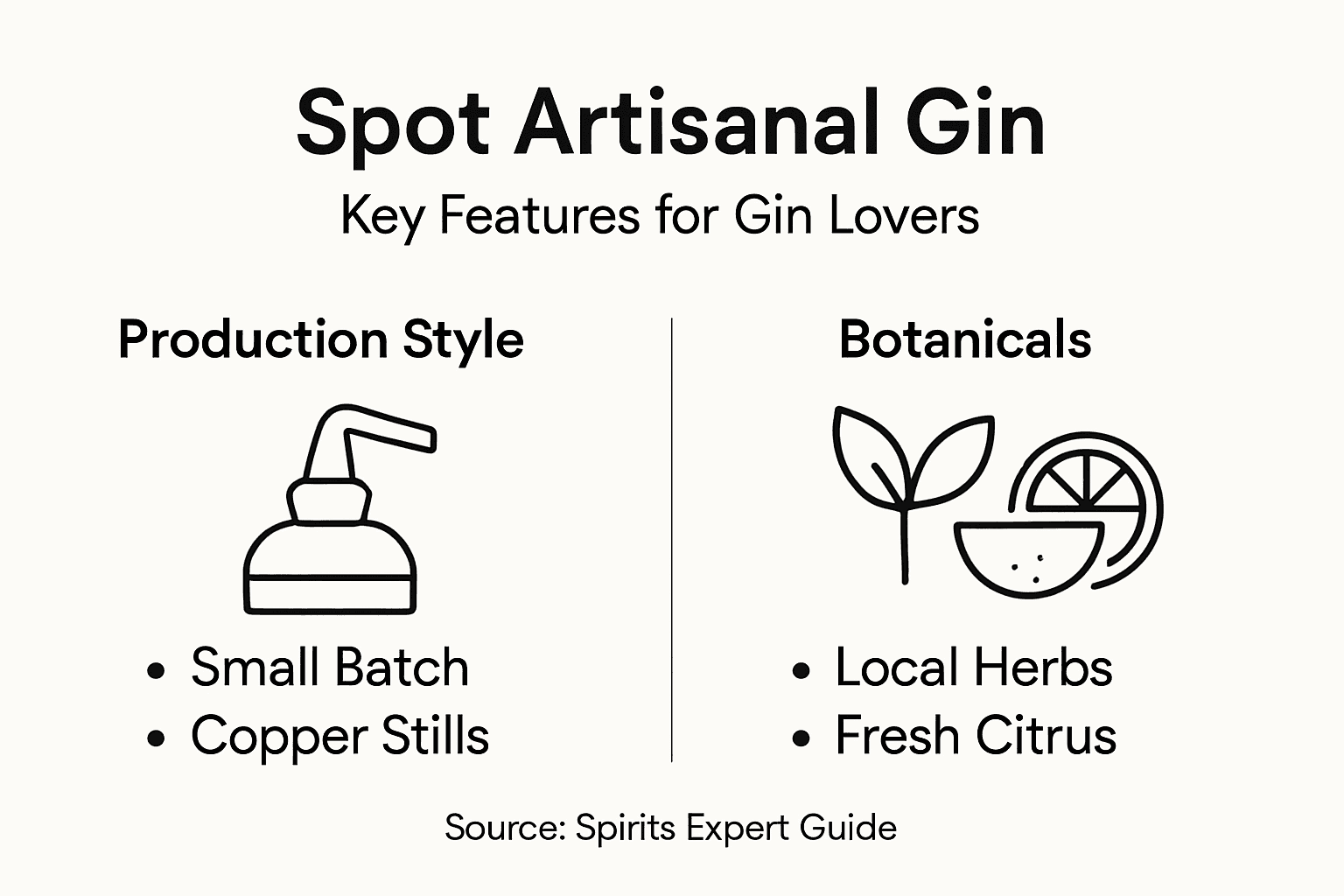
Understanding the nuanced world of artisanal gin production means diving deep into signature distillation techniques that transform ordinary spirits into extraordinary experiences. Small-batch gin makers have developed precision techniques that elevate their craft, making each bottle a testament to meticulous production.
To identify these signature methods, you'll want to explore several critical distillation approaches. Innovative batch distillation research reveals fascinating insights into how master distillers control their production process. The key characteristics include:
- Fractional distillation that separates botanical essences with surgical precision
- Thermal infusion techniques that extract maximum flavor complexity
- Manual temperature and pressure control during the distillation process
- Selection of unique, locally sourced botanical ingredients
By examining these techniques closely, you can distinguish between mass-produced spirits and true artisanal creations. Local gin distillation methods emphasize that each small batch tells a unique story through its production process.
Artisanal distillation is less about equipment and more about the distiller's intimate understanding of flavor transformation.
The most exceptional gin producers treat distillation as an art form, carefully balancing scientific precision with creative intuition. They understand that small variations can dramatically impact the final product, turning a standard spirit into a remarkable sensory experience.
Pro tip: Visit local distilleries and request a behind-the-scenes tour to witness signature distillation methods firsthand, gaining insights no textbook can provide.
Step 2: Examine authentic Mediterranean ingredients
Unveiling the essence of premium Mediterranean gin requires a discerning eye for authentic regional ingredients that transform an ordinary spirit into a remarkable sensory experience. Mediterranean botanical selection represents the heart and soul of artisanal gin crafting, where each ingredient tells a story of terroir and tradition.
To truly appreciate authentic Mediterranean ingredients, focus on these critical characteristics:
- Provençal herb profiles that capture the landscape's aromatic complexity
- Locally harvested botanicals with distinctive regional terroir
- Citrus variants native to Mediterranean microclimates
- Wild-foraged ingredients representing specific geographic regions
Mediterranean gin ingredients are not just components - they are living narratives of landscape and culture.
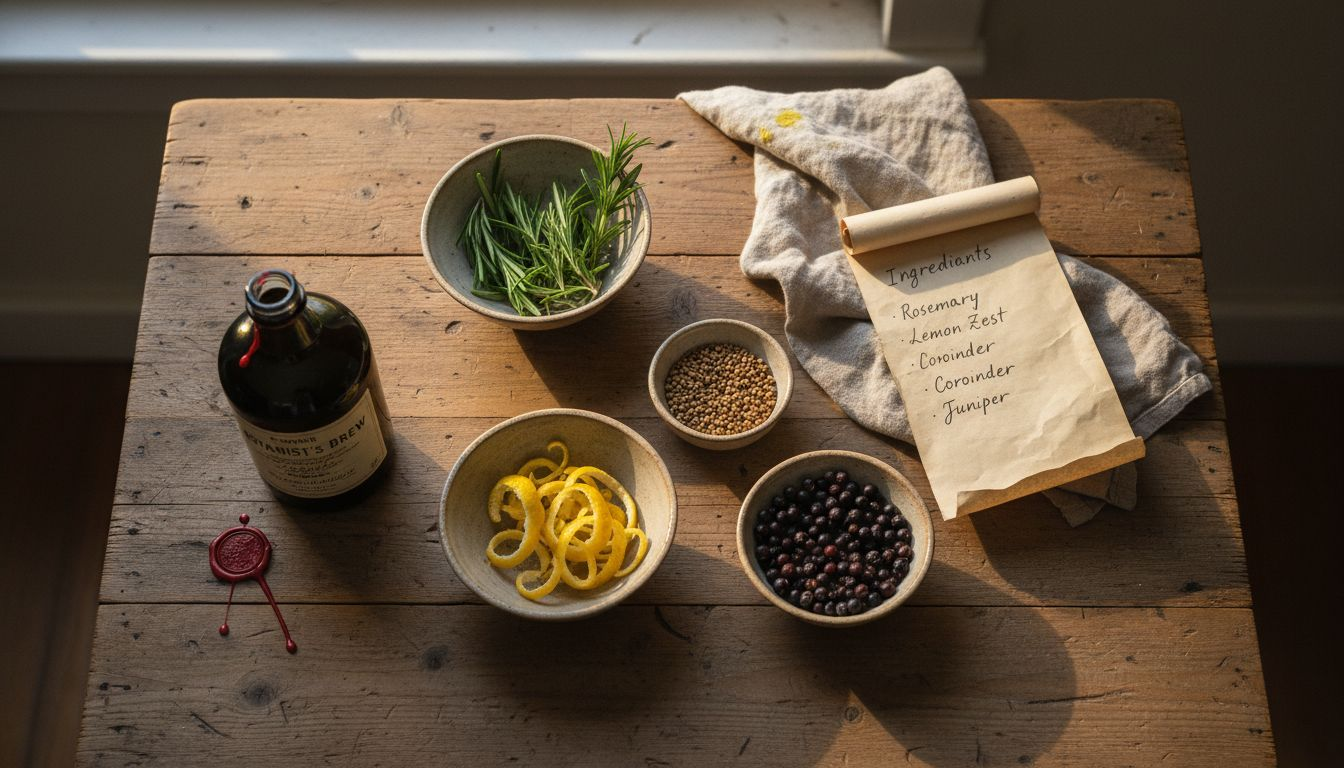
Authentic Mediterranean gins distinguish themselves through meticulous ingredient sourcing. Distillers carefully select botanicals that reflect the unique sensory landscape of regions like Provence, Sicily, and the Greek islands. Each botanical brings a nuanced flavor profile that cannot be replicated through industrial production methods.
Here's a comparison of distinguishing features between mass-produced and artisanal Mediterranean gin:
| Aspect | Mass-Produced Gin | Artisanal Mediterranean Gin |
|---|---|---|
| Ingredient Sourcing | Global bulk purchase | Local, region-specific harvesting |
| Distillation Control | Automated, large scale | Manual, small batch focus |
| Botanical Selection | Standardized recipes | Unique, seasonal botanicals |
| Storytelling | Generic branding | Personal provenance narratives |
| Sensory Profile | Consistent but simple | Complex, nuanced, evolving |
Pro tip: Learn to read ingredient labels carefully, looking for specific regional mentions and small-batch production indicators that signal true Mediterranean craftsmanship.
Step 3: Evaluate craftsmanship and sensory profile
Unlocking the true essence of premium gin requires a deep dive into sensory evaluation techniques that separate exceptional spirits from ordinary offerings. Volatile compound analysis provides scientific insight into the intricate world of artisanal gin craftsmanship.
To thoroughly assess a gin's sensory profile, focus on these critical evaluation dimensions:
- Aromatic complexity that reveals layered botanical interactions
- Flavor progression and intensity
- Balance between individual ingredient expressions
- Lingering finish and aftertaste characteristics
- Subtle nuances that indicate small-batch production
Craftsmanship is not just about ingredients, but the masterful way they are transformed and harmonized.
Professional gin evaluation goes beyond simple tasting. Sensory evaluation methods reveal how trained experts deconstruct a gin's molecular flavor landscape. Each sip tells a story of technique, terroir, and the distiller's unique artistic vision.
Pro tip: Train your palate by comparing multiple gins side by side, focusing on subtle differences in aroma, initial taste, and finish to develop a more sophisticated sensory understanding.
Step 4: Verify provenance and brand storytelling
Discovering the soul of an exceptional gin means peering beyond the bottle to understand its authentic narrative. Craft gin provenance research reveals how a spirit's origin story directly influences its perceived value and consumer connection.
To effectively verify a gin's provenance and storytelling, examine these critical elements:
- Geographic origin details that trace the spirit's roots
- Transparency about distillation techniques
- Specific information about botanical sourcing
- Personal narratives of distillers or founding families
- Verifiable claims about production methods
Authentic provenance is not marketing - it's the DNA of artisanal spirits.
True artisanal gin brands go beyond simple marketing. Provenance brand storytelling transforms a product into a cultural narrative that connects consumers with tradition, craftsmanship, and regional identity. Look for brands that can substantively explain their unique production journey.
Pro tip: Cross-reference brand claims by contacting the distillery directly or researching local production records to validate the authenticity of their storytelling.
Step 5: Confirm artisanal quality through taste assessment
Elevating your gin appreciation requires mastering the nuanced art of systematic sensory evaluation. Gin quality assessment techniques provide a structured approach to distinguishing exceptional artisanal spirits from mass-produced offerings.
To conduct a comprehensive taste assessment, focus on these critical evaluation dimensions:
- Initial aroma complexity and botanical subtleties
- Flavor balance and ingredient harmonization
- Smoothness of spirit base
- Depth and progression of taste experience
- Clean, lingering finish with no harsh alcohol notes
Artisanal quality is revealed not just in taste, but in the story each sip tells.
Professional tasters understand that gin flavor evaluation goes far beyond simple consumption. The sensory journey matters as much as individual flavor components, revealing the distiller's true craftsmanship through intricate botanical interactions and precise spirit integration.
This summary outlines the main sensory attributes experts use to identify premium gin:
| Attribute | What Experts Evaluate | Why It Matters |
|---|---|---|
| Aroma Complexity | Layered botanical scents | Indicates depth and craftsmanship |
| Flavor Balance | Harmonious taste transitions | Reflects skillful blending |
| Finish Quality | Length and clarity of aftertaste | Reveals ingredient quality |
| Smoothness | Absence of harsh notes | Shows distillation precision |
Pro tip: Taste gin at room temperature and slightly diluted to unlock the most comprehensive flavor profile, allowing botanicals to express themselves fully.
Discover the True Art of Artisanal Gin with Gin Niro
Understanding how to spot premium artisanal gin means appreciating craftsmanship, authentic Mediterranean botanicals, and traditional distillation methods. If you seek a gin that embodies these qualities, Gin Niro offers a unique sensory journey crafted from zibibbo grapes and Sicilian citrus, reflecting genuine artisanal quality you can savor. Experience the flavor complexity and storytelling that make a bottle far more than just a spirit.
Explore our Homepage – Gin Niro to delve into the detailed product information and rich heritage behind this exclusive Mediterranean gin. Take the next step in your gin journey by visiting https://ginniro.it today and bring home a small-batch gin with proven craftsmanship and authentic provenance. Savor every sip while embracing the art of premium spirits.
Frequently Asked Questions
How can I identify signature small-batch distillation methods in artisanal gin?
Look for techniques like fractional distillation and thermal infusion, which emphasize precision in capturing botanical essences. Visit local distilleries to witness these methods firsthand and ask distillers about their specific production processes.
What are authentic Mediterranean ingredients that distinguish premium gin?
Authentic Mediterranean gins utilize locally sourced botanicals such as Provençal herbs and native citrus fruits. To spot these ingredients, carefully read the label for mentions of specific regions and harvesting practices.
How do I evaluate the craftsmanship and sensory profile of a gin?
Assess the aromatic complexity and flavor progression of a gin, focusing on how well the ingredients are balanced. Conduct blind taste tests with different gins and take notes on their unique characteristics, concentrating on initial aromas and finish quality.
Why is provenance important in identifying artisanal gin?
Provenance provides insight into a gin's authenticity and heritage, revealing its geographic origin and production narrative. To verify provenance, check for detailed information about the distillation methods and botanical sourcing in the brand's storytelling.
What tasting techniques can help me confirm the quality of artisanal gin?
Use systematic sensory evaluation techniques to assess the initial aroma, flavor balance, and finish of each gin. Taste multiple gins side by side to identify subtle differences in flavor and determine the quality of each spirit.
How can I spot the difference between mass-produced and artisanal gin?
Look for signs of small-batch production, like unique botanical selections and manual distillation methods. Compare the sensory complexity and storytelling aspects of gins to identify which ones reflect true artisanal craftsmanship.