

Most American gin fans overlook how much the environment shapes Mediterranean-style tastings. A single stray scent or bright light can interfere with perception and alter nuanced flavors. Sophisticated drinkers know the true enjoyment of gin lies in its intricate botanicals and the skillful balance honed by expert distillers across Italy and Spain. This guide helps you master every detail, so each tasting becomes a discovery of craftsmanship and hidden aroma profiles.
Table of Contents
- Step 1: Prepare The Ideal Tasting Environment
- Step 2: Select And Pour Your Mediterranean Gin
- Step 3: Observe Color And Clarity Of The Spirit
- Step 4: Assess Aroma And Uncover Key Botanicals
- Step 5: Taste And Note Distinct Flavor Profiles
- Step 6: Evaluate Finish And Overall Quality
Quick Summary
| Key Point | Explanation |
|---|---|
| 1. Create an Ideal Tasting Space | Use a quiet, well-lit area with minimal odors to fully appreciate the gin's complex flavors. |
| 2. Choose the Right Glassware | A tulip-shaped glass enhances aroma concentration, improving your overall tasting experience. |
| 3. Evaluate Color and Clarity | Examine the gin against a white background for transparency and viscosity, indicating quality. |
| 4. Focus on Aromatic Profiles | Take initial gentle sniffs to identify key botanicals, starting with bright citrus notes. |
| 5. Consider the Finish Quality | Assess how flavors linger after sipping, indicating the gin's craftsmanship and overall balance. |
Step 1: Prepare the ideal tasting environment
Preparing the perfect environment is crucial for experiencing gin's intricate flavors and aromas. You want a setting that allows you to fully appreciate the spirit's nuanced characteristics without distraction.
Start by selecting a quiet, well-lit space with good natural lighting and minimal odors. Your tasting area should feel clean and neutral. Aim for a moderate room temperature around 15-18°C, which helps botanical aromas emerge precisely. Remove potential scent disruptors like perfumes, scented candles, or nearby cooking to keep your sensory perception sharp.
Choose glassware carefully. A tulip-shaped glass works best for gin tasting because its narrow top concentrates aromas, directing them directly to your nose. Position the glass on a clean white surface to help you assess color and clarity. Have water and a neutral palate cleanser like plain crackers nearby to reset your taste buds between tastings.
Expert Recommendation Always taste in a calm environment where you can focus completely on the gin's complex sensory profile.
Here's a concise summary of environmental factors for optimal gin tasting:
| Factor | Recommendation | Reason for Choice |
|---|---|---|
| Lighting | Natural, well-lit area | Reveals color and clarity |
| Room Temperature | 59–64°F (15–18°C) | Releases delicate botanical aromas |
| Odor Control | Minimal external scents | Prevents interference with aromas |
| Surface and Glassware | White surface, tulip glass | Enhances visual and aromatic notes |
Step 2: Select and pour your Mediterranean gin
Selecting and pouring your gin is an art form that transforms a simple drink into a sensory experience. Understanding how to handle your Mediterranean gin will elevate your tasting journey and unlock its nuanced flavor profile.
Start by choosing a gin with authentic Mediterranean characteristics. Look for bottles crafted with regional botanicals like Sicilian citrus or zibibbo grapes. When you're ready to pour, hold the bottle at a slight angle and pour slowly into your tulip glass. Aim for approximately 50 milliliters a standard pour which allows enough spirit to explore its complexity without overwhelming your palate.
Give your gin a moment to breathe after pouring. Swirl the glass gently to release the aromatic compounds and observe how the liquid moves. Notice the viscosity and how light interacts with the spirit. This preliminary examination provides insight into the gin's quality and potential flavor characteristics before you even take your first taste.
Pro Tip Allow your Mediterranean gin to rest for 30 seconds after pouring to let the volatile aromatic compounds develop and become more pronounced.
Step 3: Observe color and clarity of the spirit
Examining your gin's visual characteristics provides critical insights into its quality and potential flavor profile. This initial assessment helps you understand the spirit before it even touches your palate.
Hold your tulip glass against a white background to conduct a thorough color quality assessment. Mediterranean gins typically display crystal-clear appearances with subtle variations ranging from transparent to very light silver or pale straw colors. Tilt the glass and observe how the liquid moves examine its viscosity and legs. Premium gins will demonstrate a smooth gliding motion with elegant liquid trails that indicate careful distillation and high-quality ingredients.
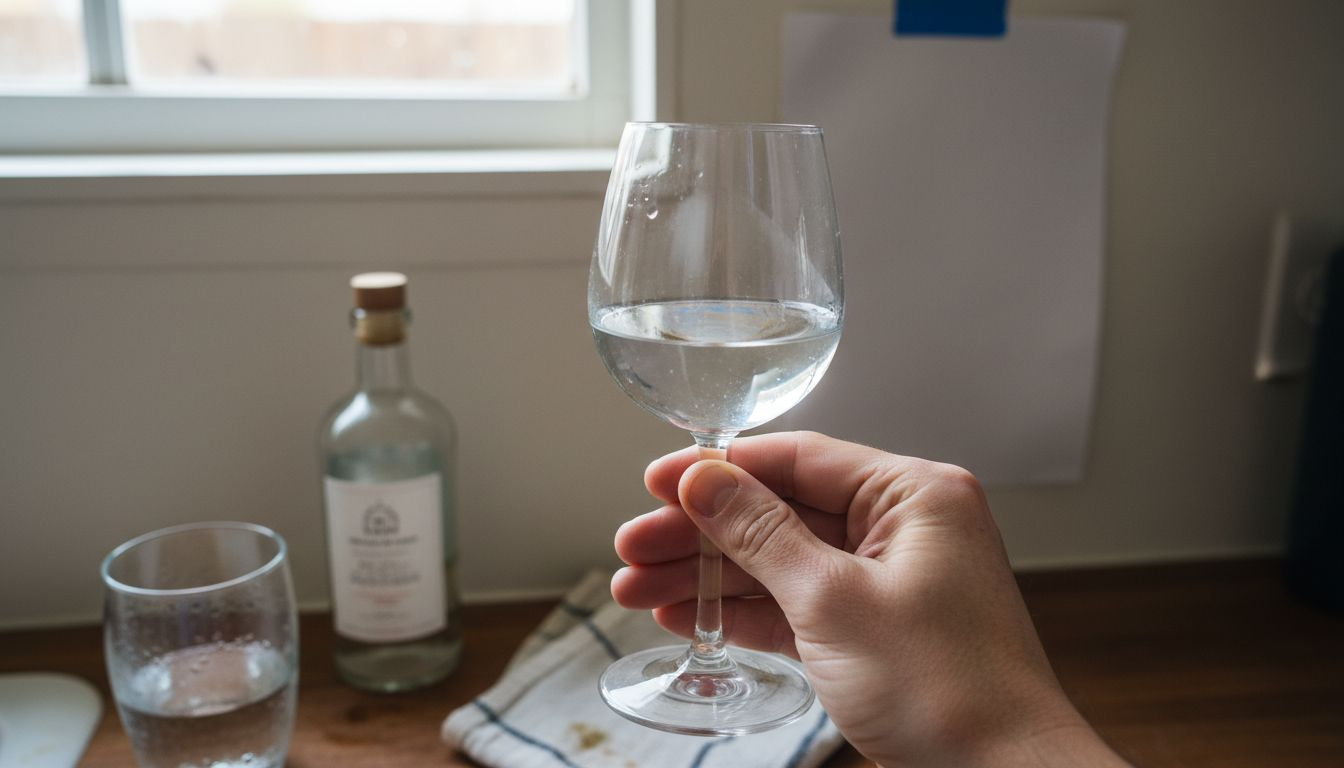
Pay attention to clarity. Any cloudiness or suspended particles could signal improper filtration or potential production issues. A top-tier Mediterranean gin should be pristine and transparent allowing light to pass through without interruption. Take your time with this visual examination noticing subtle nuances in color depth and liquid movement that hint at the complex botanical blend waiting to be discovered.
Pro Tip Use natural daylight or a neutral white background for the most accurate color perception when examining your gin's visual characteristics.
Step 4: Assess aroma and uncover key botanicals
Uncovering the aromatic complexity of your Mediterranean gin requires a methodical and sensory approach. This step transforms your tasting from a simple drink to an immersive exploration of botanical craftsmanship.
Begin by understanding botanical aroma profiles. Hold the tulip glass about four inches from your nose and take a gentle initial sniff. Then bring the glass closer to detect layers of fragrance. Mediterranean gins often showcase vibrant citrus notes from Sicilian lemons intertwined with classic botanical markers like juniper and coriander. Look for dominant terpenes such as limonene which brings bright citrus scents and linalool that introduces subtle floral undertones.
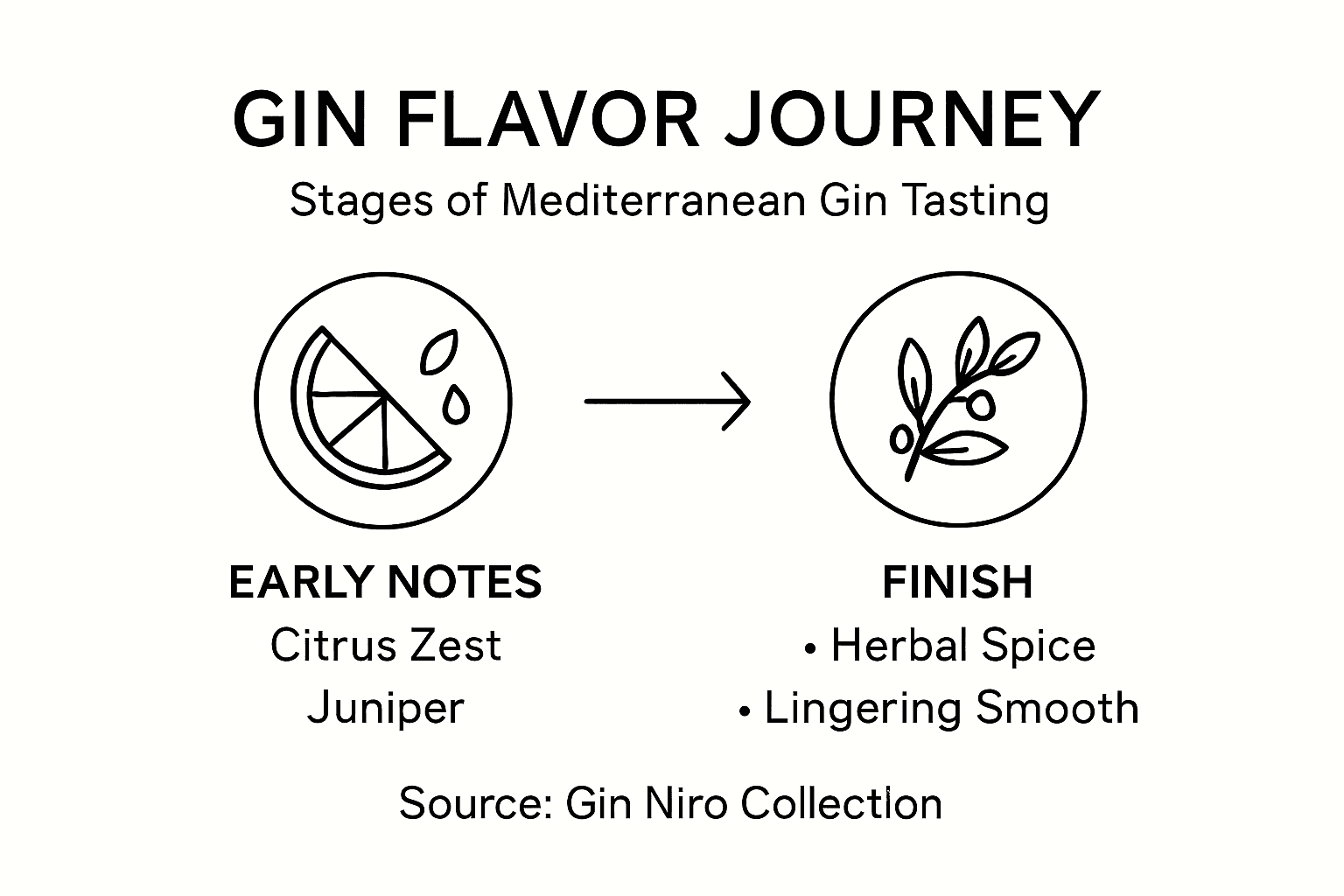
Next analyze the aroma progression. Mediterranean gins typically offer a dynamic sensory journey starting with sharp citrus notes before revealing deeper spice and herbal nuances. Pay attention to the balance between juniper which must be predominant and complementary botanicals. Notice how the aromas evolve as the gin opens up slightly revealing more complex layers. Are the citrus notes bright and crisp? Do you detect hints of Mediterranean herbs or subtle spice notes?
Pro Tip Warm the glass slightly in your hands to help release more subtle aromatic compounds and enhance your sensory exploration.
Step 5: Taste and note distinct flavor profiles
Tasting gin is an art of sensory exploration where you decode the intricate botanical story within each sip. This step transforms your experience from passive consumption to active flavor investigation.
Apply the systematic tasting approach by taking a small sip and letting it roll across your entire palate. Mediterranean gins often begin with a bright juniper foundation followed by layers of Sicilian citrus and herbal undertones. Notice how the flavor evolves start with the initial sharp entrance then track how secondary notes emerge. Look for the delicate balance between primary juniper flavor and complementary botanical accents like zesty lemon peels coriander seeds or subtle Mediterranean herb impressions.
Pay attention to the gin's mouthfeel and flavor progression. A high quality Mediterranean gin will demonstrate complexity with a smooth initial taste that gradually reveals intricate layers. Consider the intensity of each flavor note. Are the citrus elements crisp and vibrant? Do the herbal notes feel fresh and authentic? Observe how the flavors interact creating a harmonious sensory experience that reflects the gin's artisanal craftsmanship.
This table highlights flavor progression and mouthfeel in Mediterranean gin tasting:
| Stage | Typical Flavor Notes | Mouthfeel Description | Lasting Impression |
|---|---|---|---|
| Initial Sip | Bright juniper, citrus | Smooth, crisp entry | Refreshing and vibrant |
| Mid-Palate | Herbal undertones, spices | Silky, evolving texture | Balanced, harmonious blend |
| Finish | Lingering citrus, herbs | Elegant, gentle fade | Clean with no harsh burn |
Pro Tip Pause between tastings and cleanse your palate with plain water or unsalted crackers to maintain accurate flavor perception.
Step 6: Evaluate finish and overall quality
The final stage of gin tasting transforms your sensory experience into a comprehensive assessment of the spirit's craftsmanship. This is where you synthesize all previous observations into a holistic evaluation.
Apply the systematic quality assessment method by focusing on the gin's finish. Observe how flavors persist after swallowing. A superior Mediterranean gin will showcase a smooth elegant finish with gradual flavor evolution. Mediterranean styles typically display a clean crisp conclusion with lingering citrus or herbal notes that gently fade without harsh alcohol burn. Track the flavor length noting how long the botanical impressions remain on your palate.
Consider the overall balance and complexity. Exceptional Mediterranean gins demonstrate remarkable harmony between juniper foundation and complementary botanical elements. Evaluate the intensity and interaction of flavors. Does the gin feel cohesive? Are the citrus notes vibrant? Do the herbal undertones feel authentic and well integrated? A truly outstanding gin will feel like a carefully composed sensory narrative that reveals its craftsmanship with each contemplative moment.
Pro Tip Allow a moment of reflection after tasting to fully appreciate the gin's nuanced flavor progression and overall character.
Elevate Your Gin Tasting Experience with Authentic Mediterranean Craftsmanship
Tasting gin like a true connoisseur means appreciating every detail from aroma to finish. The article highlights challenges such as creating the perfect environment and recognizing nuanced flavors including juniper, Sicilian citrus, and aromatic zibibbo grapes. If you want to deepen this sensory journey with a premium spirit crafted for that very purpose, explore the exceptional quality of Gin Niro. This artisanal Mediterranean gin embodies the traditional distillation and botanical balance that gin enthusiasts seek. Its carefully blended profile allows you to fully enjoy the intricate layers unveiled during each sip.
Discover the unique taste experience for yourself by visiting Gin Niro Collection.
Take your gin tasting to the next level with Gin Niro on our homepage. Don’t miss the chance to own a bottle that brings Sicily’s finest botanicals directly to your glass. Visit Gin Niro Collection now and start savoring gin the true connoisseur way today.
Frequently Asked Questions
How do I create the ideal tasting environment for gin?
To prepare the perfect tasting environment for gin, select a quiet, well-lit space with minimal odors. Aim for a room temperature of 15–18°C and use a clean white surface for your tulip glass to enhance your experience.
What type of glass should I use for tasting gin?
Use a tulip-shaped glass for gin tasting, as its narrow top helps concentrate aromas, ensuring a more aromatic experience. Position the glass on a clean white surface to effectively assess the gin’s color and clarity.
How much gin should I pour for a proper tasting?
Pour approximately 50 milliliters of gin for a standard tasting. This amount allows you enough spirit to explore its complexity without overwhelming your palate.
What should I look for when assessing the aroma of gin?
When assessing the aroma, hold the tulip glass about four inches from your nose and take a gentle sniff. Look for vibrant citrus notes and herbal undertones, noting how the aromas evolve as the gin opens up over time.
How do I evaluate the flavor profile of the gin?
Start by taking a small sip and letting it roll across your entire palate. Pay attention to the gin's flavor progression, noting the balance between the primary juniper flavor and any complementary botanical notes like citrus and herbs.
What defines a high-quality gin finish?
A high-quality gin typically has a smooth, elegant finish with lingering herbal or citrus notes that fade gently without harshness. Reflect on how long the flavors persist after swallowing to assess the overall quality.