
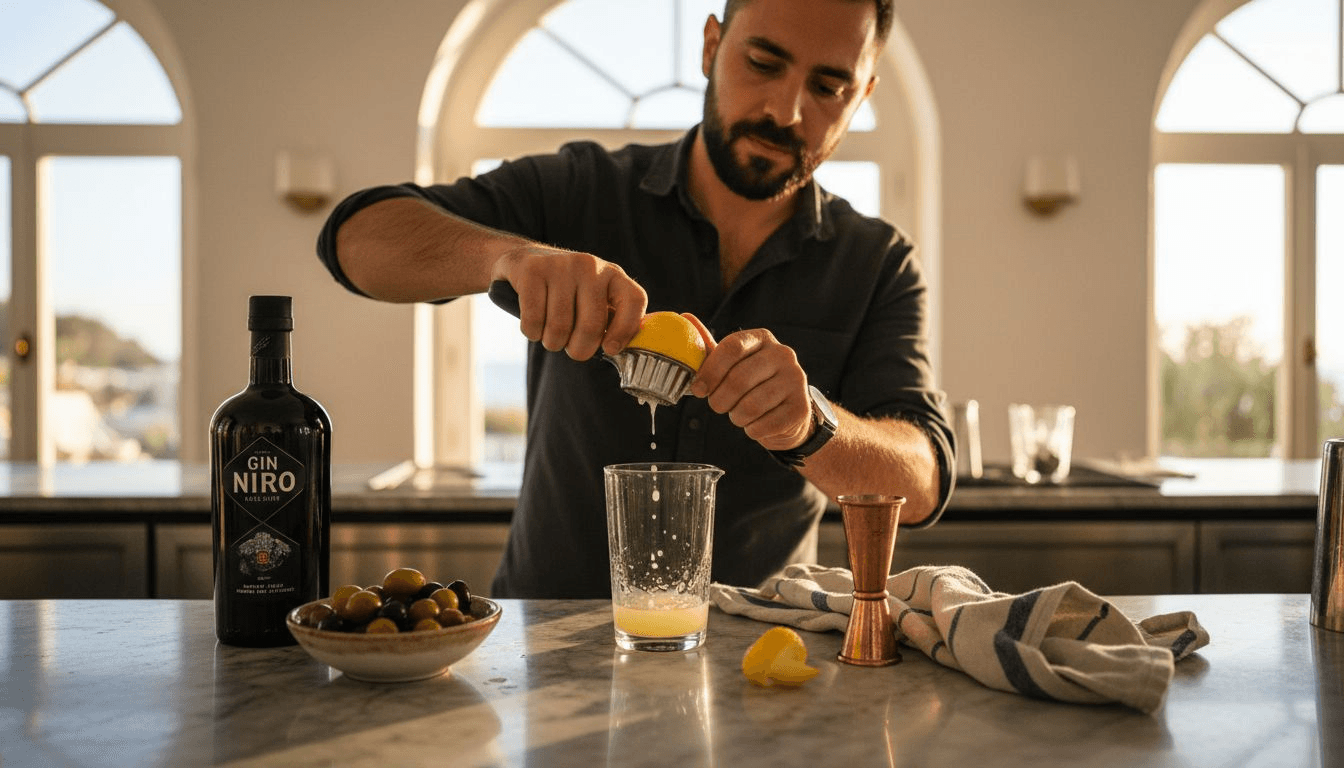
Choosing a gin with real Mediterranean character makes every mixology session feel special. Too often, cocktails fall flat because the base spirit lacks quality or the ingredients are anything but fresh. If you want that authentic Sicilian citrus and herb aroma to shine, starting with premium ingredients and careful preparation is everything. This guide walks you through choosing the right gin, sourcing the best produce, and mastering bar techniques that make every cocktail worthy of a sunlit European terrace.
Table of Contents
- Step 1: Choose Premium Gin Niro And Fresh Ingredients
- Step 2: Prepare Bar Tools And Chilling Glasses
- Step 3: Measure And Mix Mediterranean-Inspired Flavors
- Step 4: Stir Or Shake For Optimal Balance
- Step 5: Garnish And Present With Sicilian Flair
- Step 6: Taste And Adjust For Perfect Results
Quick Summary
| Key Point | Explanation |
|---|---|
| 1. Choose Quality Gin Niro | Gin Niro's artisanal quality enhances cocktails, offering complexity that cheaper alternatives lack. It's crucial for an authentic Mediterranean experience. |
| 2. Use Fresh Ingredients | Select vibrant, aromatic herbs and heavy citrus to elevate your cocktail. Freshness directly impacts flavor and presentation quality. |
| 3. Properly Chill Glassware | Chilling glassware preserves cocktail temperature and flavor integrity, ensuring a more enjoyable and refreshing drinking experience. |
| 4. Measure Ingredients Accurately | Precision in measuring spirit, citrus, and sweeteners is vital. This balance creates a harmonious cocktail that reflects Mediterranean qualities. |
| 5. Taste and Adjust Before Serving | Always taste your drink before serving to ensure the right sweetness and acidity. Small tweaks can transform a good cocktail into a great one. |
Step 1: Choose premium Gin Niro and fresh ingredients
Selecting the right foundation for your Mediterranean gin cocktail starts with understanding what makes Gin Niro stand out. This artisanal spirit combines Sicilian citrus with zibibbo aromatic grapes, creating a distinctive flavor profile that anchors every cocktail you build. When you choose Gin Niro, you're not just grabbing a bottle off the shelf, you're selecting a spirit crafted through traditional distillation methods that honor Mediterranean heritage. The quality of your base spirit determines the entire trajectory of your drink, which is why premium gin matters far more than most people realize. A well-made gin like Gin Niro provides complexity and balance that cheaper alternatives simply cannot match, allowing the other ingredients in your cocktail to shine rather than getting lost.
Fresh ingredients are equally non-negotiable. Your citrus should feel heavy for its size, indicating juice content, and your herbs should snap when bent rather than wilt in your hand. Source Mediterranean citrus whenever possible, lemons and blood oranges especially, since they mirror the flavor notes already present in Gin Niro. Mint, basil, and rosemary are your core herbs, but only if they're vibrant and fragrant. When you're learning how to serve premium gin properly, you'll notice that the spirit's quality becomes even more apparent when paired with quality botanicals. Visit your local market just before you plan to make your cocktails rather than stocking up days in advance, because freshness degrades quickly. Check that your ice is clear and dense, not cloudy, since it affects both taste and presentation. Your water quality matters too, even for ice, so use filtered water if your tap water tastes heavily chlorinated.
Here's a handy summary of Mediterranean gin cocktail essentials and their specific purpose:
| Essential Item | Purpose | Why It Matters |
|---|---|---|
| Premium Gin Niro | Flavor foundation | Balances botanicals and citrus notes |
| Fresh Citrus (lemons, blood oranges) | Adds acidity and aroma | Enhances Mediterranean profile |
| Herbal Syrup or Honey | Sweetens and adds complexity | Balances acidity and botanicals |
| Clear, Dense Ice | Maintains proper temperature | Prevents excess dilution |
| Chilled Glassware | Preserves cocktail integrity | Keeps drink cold and flavors vibrant |
This table helps you identify the non-negotiable components for authentic Mediterranean gin cocktails and the reasons each is critical for quality results.
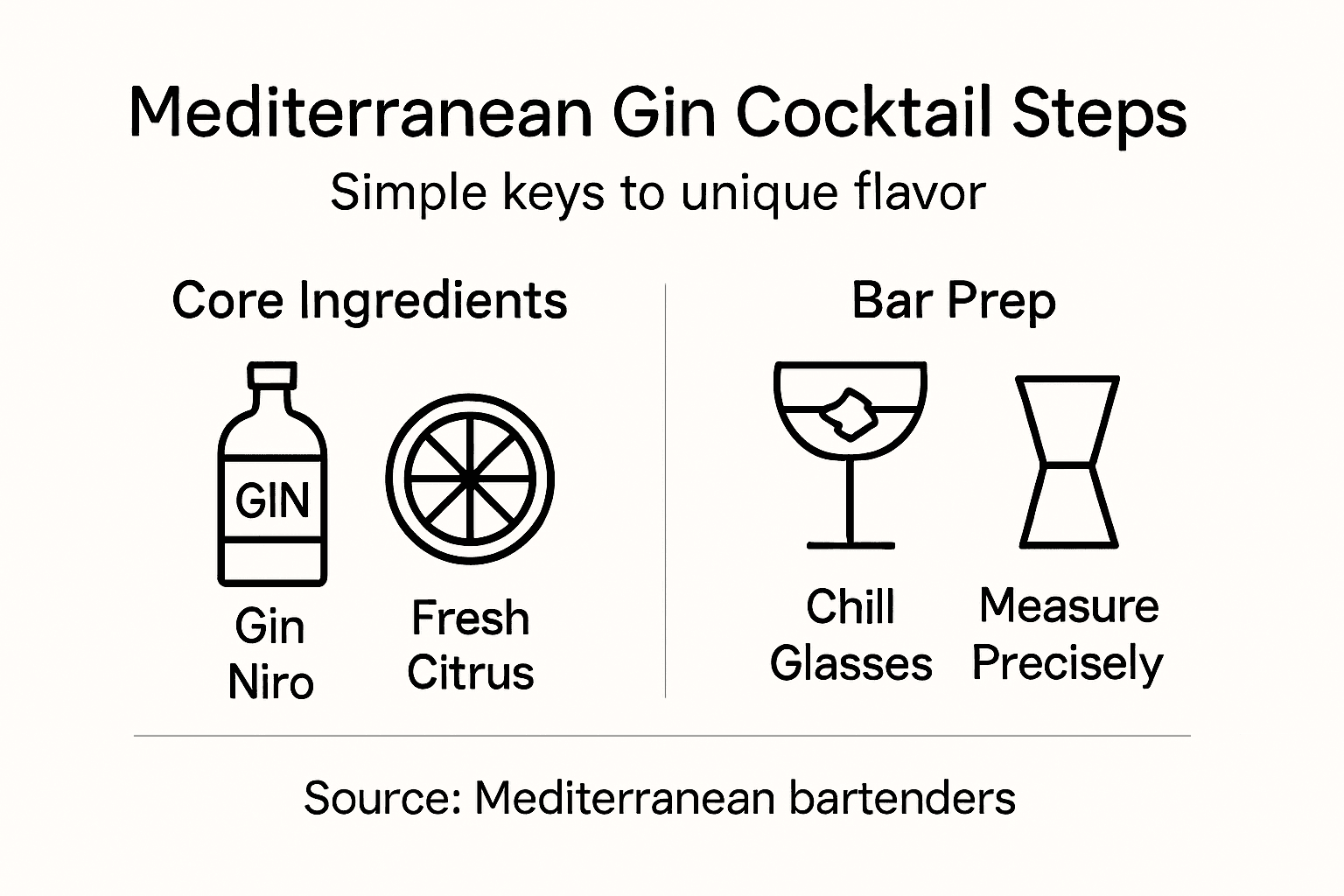
Pro tip: Keep your gin in the freezer for at least two hours before mixing, and chill your glass with ice water beforehand. Cold gin and a properly chilled glass make a dramatic difference in how smoothly the flavors integrate and how long your cocktail stays properly balanced.
Step 2: Prepare bar tools and chilling glasses
Your setup determines how efficiently you can execute each cocktail and how well the final drink tastes. Before you start mixing, gather your essential bar tools and get your glassware properly chilled. This preparation phase takes maybe ten minutes but makes an enormous difference in execution speed and drink quality. Having everything in place means you can focus on technique rather than scrambling for equipment mid-cocktail, which disrupts your rhythm and compromises the drink.
Start with the fundamentals. You need a cocktail shaker, a strainer, a jigger for accurate measuring, a bar spoon for stirring, and a muddler for crushing herbs. A quality cocktail shaker design matters more than you might think because a Boston shaker with a mixing glass allows you to see your ingredients while building the cocktail and keeps everything cold. Your jigger should have both a one and a half ounce side and a half ounce side, giving you precision for Mediterranean cocktails where balance is critical. The bar spoon needs a long handle and ideally a weighted bowl that makes stirring feel natural, not awkward. Don't overlook the strainer either, since proper straining separates quality cocktails from mediocre ones. When choosing glassware, consider that chilled glasses maintain optimal cocktail temperature and preserve the flavor profile you've carefully built. Mediterranean gin cocktails benefit from appropriate glass selection, whether you're using a rocks glass for stirred drinks or a coupe for spirit forward cocktails.
Chilling your glasses is non-negotiable. If you have access to a freezer, place your glasses there for fifteen to thirty minutes before you start mixing. This is the easiest method and produces the coldest results. If time is short, fill your glass with ice and cold water, let it sit for one minute while you prepare your cocktail, then empty it just before pouring. The water chill method works surprisingly well and takes almost no time. The key point is that a chilled glass keeps your cocktail cold longer, prevents dilution from happening too quickly, and allows the botanical notes in Gin Niro to shine without being muted by a warm glass. Your ice matters too, so use large cubes rather than crushed ice if possible, since they melt more slowly and keep your drink tasting crisp throughout consumption.
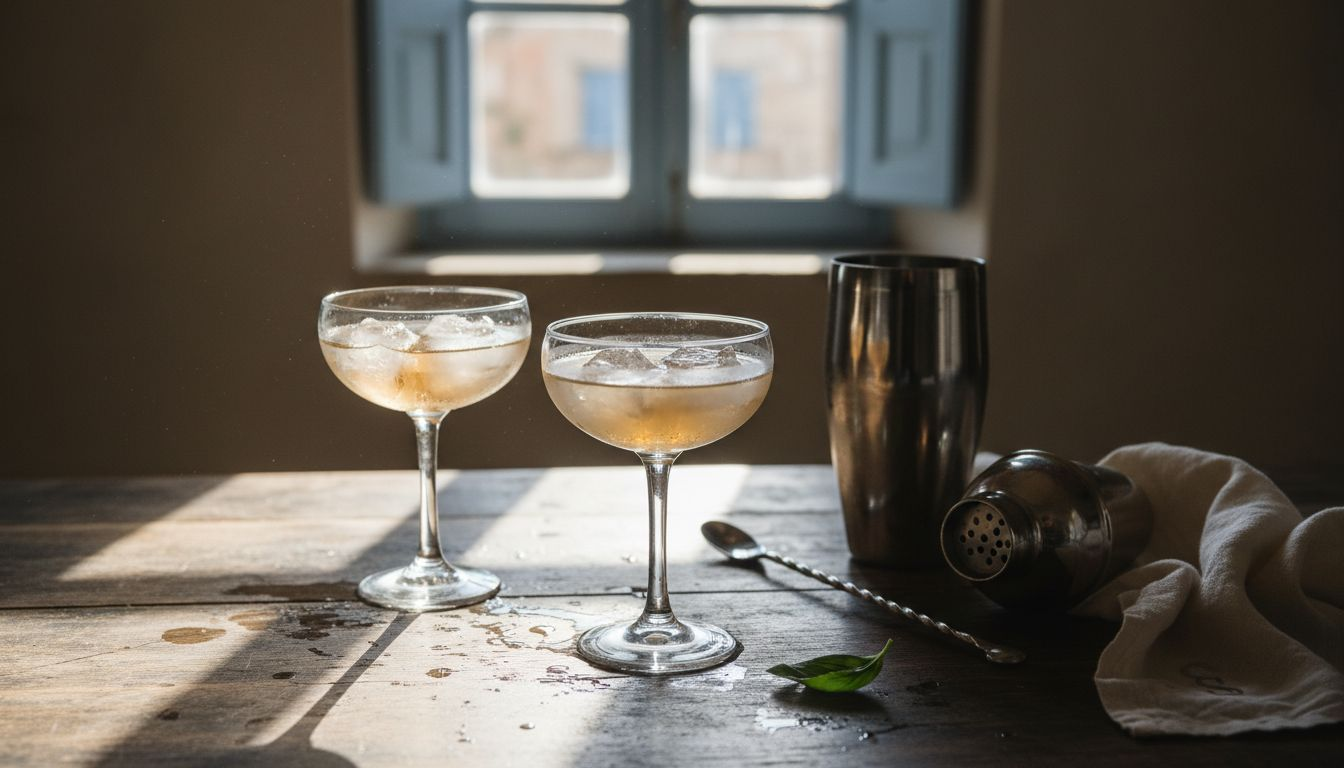
Pro tip: Chill your mixing glass or shaker along with your serving glass so everything is ice cold when you combine ingredients, which creates better integration of flavors and a smoother, more refined final product.
Step 3: Measure and mix Mediterranean-inspired flavors
This is where your cocktail comes to life. Measuring precisely and understanding how to layer flavors transforms a collection of ingredients into a harmonious drink that tastes like the Mediterranean. The difference between a forgettable cocktail and one you'll want to make again comes down to proportions and technique, not luck or guesswork. When you understand the mechanics of flavor balance, you gain the confidence to adjust recipes to your taste without losing the fundamental integrity of the drink.
Start with precision in your measurements. Using your jigger, pour two ounces of Gin Niro into your mixing glass or cocktail shaker, depending on whether you're stirring or shaking your drink. Mediterranean cocktails often benefit from balancing sweetness, acidity, and bitterness to create complexity that mirrors the region's diverse flavors. A foundational approach uses two parts spirit, one part sweet, and one part sour, which gives you a starting point before you adjust based on your specific ingredients and taste preferences. Add three-quarters of an ounce of fresh citrus juice, whether lemon or blood orange, which provides the acidity that brings freshness to gin's botanical notes. For sweetness, use half an ounce of Mediterranean herbal syrup, honey syrup, or even simple syrup infused with herbs like rosemary or basil. If your cocktail calls for herbs, muddle them gently in your mixing glass before adding the other ingredients. Gentle muddling releases oils and aromatics without crushing leaves into bitter fragments that will cloud your final drink.
Now comes the mixing itself. If you're shaking, fill your mixing vessel halfway with ice, add all your ingredients, and shake vigorously for ten to fifteen seconds until the outside of the shaker becomes frosty. For stirred cocktails, stir the ingredients with ice for thirty seconds until properly diluted and chilled. The ice melts slightly during this process, adding water that opens up the flavors and smooths the alcohol burn. This dilution is not a flaw, it's essential to a well-balanced cocktail. Strain immediately into your chilled glass, whether that's a coupe, rocks glass, or specialty glassware. Mediterranean cocktails featuring fresh citrus, basil, and herbs benefit from this precision because each ingredient plays a specific role in the final flavor profile. Garnish thoughtfully with an herb sprig, citrus twist, or olive, depending on what your recipe calls for. The garnish is not decoration, it adds aroma and subtle flavor to each sip.
Pro tip: Taste your cocktail by dipping a clean spoon into the shaker before straining, which lets you adjust sweetness or acidity on the fly without wasting the entire drink if something tastes off balance.
Step 4: Stir or shake for optimal balance
Your choice between stirring and shaking determines the final texture, clarity, and mouthfeel of your cocktail. This decision is not arbitrary. It's rooted in the specific ingredients you're combining and the drinking experience you want to create. Get this wrong and even perfect measurements won't save your drink. Get it right and you'll notice an immediate difference in how the cocktail tastes and feels on your palate.
The general rule is straightforward. When your cocktail contains only spirits, herbs, and bitters, you stir. When it includes citrus juice, syrups, or cream, you shake. Stirring spirits-only cocktails like a Negroni or Martini keeps everything smooth and silky because you're gently chilling the ingredients without aerating them or creating excess dilution. Stirring spirit-forward gin cocktails preserves clarity and silky texture while allowing the botanicals in Gin Niro to shine through without cloudiness. The mechanical action of stirring for about thirty seconds chills the drink properly and adds just enough dilution to open up the flavors. Your bar spoon should move smoothly in a circular motion, and you should feel almost no resistance. If you're making a Mediterranean cocktail with fresh herbs like basil or rosemary but no citrus juice, stirring is your best approach. The herbs release their oils slowly through the cold liquid, creating a subtle infusion that would be overpowered if you shook the drink.
Now consider cocktails with citrus juice or fresh lemonade. These need shaking. Shaking vigorously for ten to fifteen seconds accomplishes several things at once. It chills the drink rapidly, it aerates the ingredients to create a slight froth, and it emulsifies the citrus juice and any syrups so they integrate fully rather than separating. Shaking suits citrus or juice containing drinks for better integration and chill, which is essential for Mediterranean gin cocktails that emphasize fresh citrus and botanical elements. The vigorous motion creates tiny ice crystals that keep the drink properly cold throughout consumption. When the outside of your shaker becomes frosty and condensation drips down the sides, you've shaken enough. Fill your shaker halfway with fresh ice, never pre-chilled ice, because the motion needs to work against solid ice. After shaking, strain immediately into your prepared glass. The difference between a drink shaken for ten seconds and one shaken for twenty seconds is noticeable, so timing matters. Mediterranean cocktails with both citrus and herbs sometimes call for a hybrid approach where you shake quickly, then add a splash of sparkling water or tonic for carbonation, which requires good judgment about which technique to prioritize.
Compare the impact of stirring versus shaking on your cocktail below:
| Mixing Method | Best For | Resulting Texture | Effect on Flavors |
|---|---|---|---|
| Stirring | Spirits and herbs only | Silky, clear, smooth | Preserves botanical clarity |
| Shaking | Citrus, syrups, juices | Frothy, aerated, cold | Integrates ingredients rapidly |
Use this quick reference when deciding which technique will deliver the ideal cocktail experience.
Pro tip: Keep your shaker moving in one smooth, confident motion rather than jerky or hesitant movements, and always strain immediately after shaking or stirring to prevent over-dilution that makes the drink taste watery and flat.
Step 5: Garnish and present with Sicilian flair
A well-crafted cocktail deserves a presentation that matches its quality. Garnishing is not an afterthought or decoration, it's the final layer of flavor and aroma that completes the drinking experience. Your garnish should enhance the botanicals already present in Gin Niro and echo the Mediterranean ingredients you've carefully selected. This is where you transform a good cocktail into one that feels intentional and memorable.
Start by thinking about aroma. A citrus garnish contributes essential oils that waft toward your nose with every sip, amplifying the drinking experience before the liquid even reaches your lips. Blood orange slices or twists are quintessentially Sicilian and work beautifully with Gin Niro because they mirror the zibibbo and citrus notes already built into the spirit. Gently express an orange twist over the drink's surface by holding it skin side down and squeezing, which releases oils directly over the cocktail. Then rub the twist around the rim of the glass and drop it in as your garnish. For a Sicilian presentation, lean toward Mediterranean herb selections like basil, rosemary, and thyme that complement the regional character of your drink. Fresh herbs add visual vibrancy and contribute subtle aromatics that deepen the flavor profile. If you're using basil, select young leaves with visible moisture and slap them gently between your palms just before placing them on top of the drink. This bruising releases oils without damaging the leaves.
Olives belong in certain Mediterranean cocktails and deserve respect in their presentation. Choose quality olives, preferably Sicilian varieties if you can source them, and pit them rather than leaving the pit inside. A single olive skewered on a pick adds elegance and authenticity. If your cocktail features both citrus and herbs, create visual balance by arranging them thoughtfully rather than simply dropping them in. Position a citrus wheel against the glass rim, place an herb sprig alongside it, and perhaps add an olive below. This arrangement shows you've considered the presentation, and your guests will notice. Sicilian Gin Spritz style presentation emphasizes vibrant visual appeal alongside flavor by balancing bright citrus colors with deep green herbs and the dusty tones of olives. The glass itself matters too. A coupe glass shows off the clarity and color of your drink, while a rocks glass with a large ice cube keeps the presentation clean and sophisticated. Serve immediately after garnishing so the citrus oils remain potent and the herbs stay fresh and aromatic.
Pro tip: Chill your garnish ingredients in the freezer for a few minutes before use, so when they contact your cold cocktail they maintain their visual crispness and aromatic potency longer throughout the drinking experience.
Step 6: Taste and adjust for perfect results
Tasting your cocktail before serving is not optional. This is your quality control moment and your chance to fine-tune the drink to your exact preferences. Every batch of fresh ingredients varies slightly, and every palate is different, so what tastes balanced to one person might feel off to another. Taking sixty seconds to taste and adjust means the difference between a good cocktail and one you'll want to make again.
Before you strain your cocktail into the final glass, dip a clean bar spoon into the mixing vessel and taste the liquid. You're evaluating three main elements at this point. First, assess the sweetness. Does the drink taste saccharine or does it have enough body and richness? If it tastes too sweet, add a splash of fresh citrus juice or a few drops of bitters to brighten it. Second, evaluate the acidity. Does the citrus come through clearly or does it feel muted? Mediterranean cocktails need that bright, sharp edge to feel refreshing. Add more fresh lemon or blood orange juice if needed, but add it in small increments, maybe a quarter ounce at a time. Third, consider the spirit. Can you taste the Gin Niro's botanical character or does it feel buried under the other ingredients? The gin should always be present and prominent, not hidden. Adjusting gin and complementary ingredients to match personal taste while maintaining the recipe's integrity requires understanding how each element contributes to the whole. If the botanicals feel buried, you might need to reduce the citrus or sweetener slightly, allowing the spirit to shine through more clearly.
Think about dilution as well. Has your cocktail gotten enough ice melt to feel smooth and integrated, or does it still taste sharp and alcoholic? Sometimes the solution is simply shaking or stirring longer rather than adding more ingredients. Once you've made your adjustments, taste again. One small change often reveals the need for another adjustment, so be patient and methodical. Continual tasting and incremental modification harmonizes all flavor components so no single element dominates, resulting in a well-rounded drink. After you're satisfied with the flavor profile, strain immediately into your prepared glass. Don't let the adjusted cocktail sit in the mixing vessel while you adjust your presentation, because continued ice melt will over-dilute the drink. The goal is to serve your cocktail within seconds of tasting and approving it. Your first sip from the final glass should taste exactly like what you tasted from the spoon, crisp and perfectly balanced.
Pro tip: Keep a small spray bottle of citrus juice or water nearby so you can add tiny adjustments without dumping in full ounces at a time, giving you precise control over the final balance.
Elevate Your Mediterranean Gin Cocktails with Authentic Gin Niro
Crafting the perfect Mediterranean cocktail starts with premium ingredients and the right spirit that captures the essence of Sicilian tradition. This article highlights the importance of quality, balance, and technique when mixing Gin Niro with fresh citrus and herbs to unlock unique flavor layers. If you are aiming to create cocktails that truly reflect the vibrant Mediterranean character, the challenge is finding a gin that stands up to these fresh, aromatic ingredients without losing its own authenticity.
Experience the exceptional taste of Gin Niro, an artisanal gin that blends zibibbo aromatic grapes with Sicilian citrus, crafted through traditional distillation methods. Visit our Homepage – Gin Niro to explore our flagship 70cl bottle that delivers the complexity and freshness your cocktails demand. Take the first step toward mastering your Mediterranean-inspired creations by choosing a gin designed for true connoisseurs. Discover more about our story and product details at Homepage – Gin Niro, then start mixing your next standout cocktail today by shopping directly at https://ginniro.it.
Embrace the true Mediterranean spirit and craft cocktails that impress from the first sip to the last.
Frequently Asked Questions
How do I choose the right ingredients for my Mediterranean gin cocktail?
Selecting the right ingredients starts with choosing premium gin, like Gin Niro, and fresh produce. Focus on using high-quality citrus fruits like lemons or blood oranges, along with vibrant herbs such as mint and basil for optimal flavor.
What tools do I need to prepare Mediterranean gin cocktails?
You will need essential bar tools like a cocktail shaker, jigger, strainer, and bar spoon. Gather these tools in advance to streamline your cocktail-making process and enhance the quality of your drinks.
How do I balance flavors in my Mediterranean gin cocktail?
Balance flavors by using a foundational ratio of two parts spirit, one part sweetener, and one part acidity. Adjust these proportions based on your individual taste preferences and the specific ingredients you are using.
Should I stir or shake my gin cocktail, and how does it affect the taste?
Use stirring for cocktails that contain only spirits and herbs, and shaking for those with citrus juices or syrups. This choice impacts texture and clarity, so be sure to follow the general guideline for the best results.
What is the best way to garnish my Mediterranean gin cocktail?
Garnish your cocktail with elements that enhance its aroma and flavor, such as citrus twists, fresh herbs, or olives. A thoughtful presentation can elevate the overall experience of your drink.
How can I ensure my cocktail tastes perfect before serving?
Always taste your cocktail using a clean spoon before straining it into the final glass. This quick step allows you to adjust sweetness or acidity as needed, ensuring a balanced and enjoyable final product.