
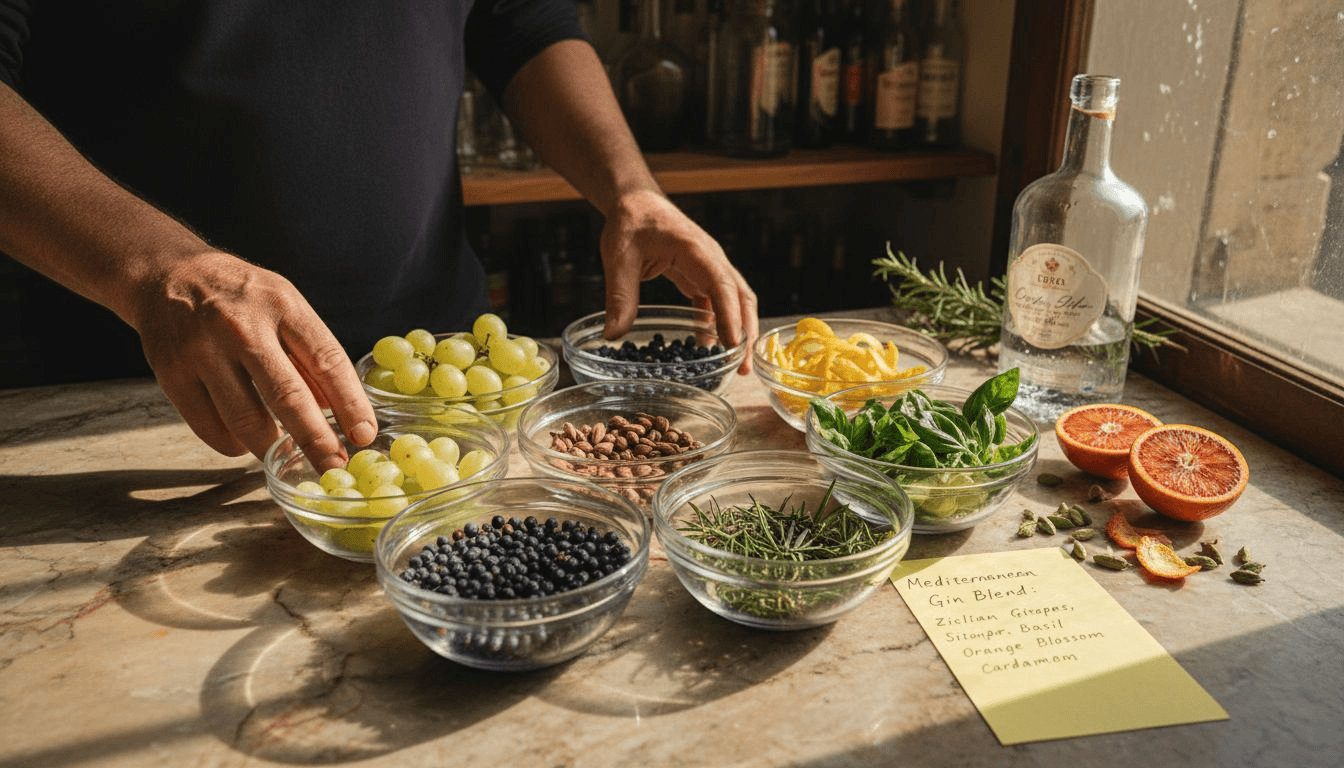
Finding new flavor frontiers set Mediterranean gins apart in a world where even American mixologists seek bold ingredients. Over 60 percent of artisan gin lovers now choose bottles highlighting rare botanicals like Sicilian citrus and wild juniper. For connoisseurs chasing originality and layered taste, the right choice transforms a standard cocktail into something memorable. Discover how Mediterranean gin artistry elevates your next pour with ingredients that redefine what quality means.
Table of Contents
- 1. Zibibbo Grapes for Aromatic Sweetness
- 2. Sicilian Citrus Zest Adds Vibrancy
- 3. Wild Mediterranean Juniper Berries
- 4. Fresh Herbal Notes from Basil and Rosemary
- 5. Rare Floral Touches: Jasmine and Orange Blossom
- 6. Earthy Depth from Cardamom and Coriander
- 7. Infusing Local Botanicals for Distinct Character
Quick Summary
| Takeaway | Explanation |
|---|---|
| 1. Zibibbo Grapes Enhance Flavor | Zibibbo grapes add unique sweet and floral notes to gin, making it distinctive. Look for small batch producers that showcase their use of these grapes. |
| 2. Sicilian Citrus Brightens Gin | The use of Sicilian citrus zest like bergamot and bianchetto lemon creates vibrant, invigorating flavors. Seek out brands that highlight specific citrus varieties for authenticity. |
| 3. Wild Mediterranean Juniper Defines Character | Mediterranean juniper berries offer a complex flavor profile with piney and resinous notes. Focus on these notes when tasting to appreciate the spirit's essence and regional authenticity. |
| 4. Fresh Herbs Add Depth | Combining rosemary and basil creates a vibrant herbal complexity in gin. Choose gin that emphasizes these herbs to enjoy the authentic Mediterranean botanical experience. |
| 5. Local Botanicals Reflect Terroir | Artisans infuse local herbs and plants to embody the gin's geographic origin, enhancing its character. Pay attention to listed local botanicals on the label for unique flavor stories. |
1. Zibibbo Grapes for Aromatic Sweetness
Mediterranean gin enthusiasts have discovered a remarkable secret weapon in their craft cocktails: Zibibbo grapes. Native to Sicily, these remarkable aromatic grape varieties bring an extraordinary dimension of flavor to artisanal gin production.
Zibibbo, also known as Muscat of Alexandria, represents more than just a grape variety. It is a complex botanical ingredient that transforms standard gin into a sensory experience. The molecular composition of these grapes includes high levels of linalool, geranic acid, and geraniol compounds that contribute a distinctive sweet and floral profile.
When distilled into gin, Zibibbo grapes offer nuanced flavor notes ranging from honey and raisin to delicate candied fruit undertones. Artisan distillers carefully select these grapes from Pantelleria Island, where the unique microclimate intensifies their aromatic characteristics.
Mixologists appreciate Zibibbo gin for its versatility. The grape's natural sweetness allows for innovative cocktail compositions that balance herbal gin botanicals with subtle Mediterranean fruit essences. From classic martinis to experimental craft cocktails, Zibibbo provides an unexpected aromatic complexity.
Pro tip: When selecting a Zibibbo grape infused gin, look for small batch producers that highlight the grape's provenance and provide detailed tasting notes about their distillation process.
2. Sicilian Citrus Zest Adds Vibrancy
The Mediterranean gin landscape celebrates an extraordinary botanical ingredient: Sicilian citrus zest. Locally sourced citrus botanicals represent a vibrant flavor profile that transforms ordinary gin into an extraordinary sensory experience.
Sicilian citrus varieties like bergamot, bianchetto lemon, and wild citrus contribute remarkable depth and complexity to gin production. These bright botanical ingredients deliver invigorating aromatic notes that complement the traditional juniper base while introducing a distinctly Mediterranean character.
Distillers carefully select and extract citrus zest to capture its essential oils and intense flavor compounds. The extraction process preserves delicate herbal nuances such as thyme and quince, creating a multilayered taste experience that goes beyond simple citrus brightness.
Home bartenders and mixologists appreciate Sicilian citrus gin for its versatility. The zesty profile allows for creative cocktail compositions that range from refreshing summer drinks to sophisticated evening libations. Its crisp, clean flavor cuts through heavier ingredients while adding an elegant Mediterranean touch.
Pro tip: When selecting a Sicilian citrus gin, look for brands that specify the exact citrus varieties and their geographical origin to ensure authentic Mediterranean flavor intensity.
3. Wild Mediterranean Juniper Berries
At the heart of every exceptional gin lies a botanical treasure: wild Mediterranean juniper berries. These extraordinary ingredients represent the fundamental essence of gin production, delivering a complex flavor profile that defines the spirit.
Mediterranean juniper berries stand apart from their counterparts due to their unique volatile compound composition. Hand harvested from wild Mediterranean shrubs, these berries offer an intricate aromatic landscape featuring piney, resinous, and subtly citrusy notes that create a distinctive regional signature.
Climate conditions significantly influence the flavor development of juniper berries. Variations in temperature, humidity, and soil composition contribute to the nuanced flavor profiles that distinguish Mediterranean juniper from other global varieties. Each berry captures the essence of its specific microclimate, transforming gin into a liquid representation of terroir.
Distillers carefully select and process these wild berries to preserve their delicate flavor compounds. The extraction method requires precision to maintain the berries intense aromatic qualities, ensuring that each bottle of gin tells a story of its Mediterranean origins.
Pro tip: When sampling gin, focus on the juniper notes first to understand the spirit's fundamental character and regional authenticity.
4. Fresh Herbal Notes from Basil and Rosemary
Mediterranean gin crafting elevates botanical complexity through strategic herb selection. Rosemary and basil represent botanical powerhouses that transform ordinary spirits into extraordinary sensory experiences.
Rosemary, scientifically known as Rosmarinus officinalis, brings an extraordinary range of volatile oils that contribute a distinctive piney and woody character. Its chemical diversity allows distillers to create multilayered herbal expressions that capture the essence of Mediterranean landscapes. The herb provides an oily, resinous undertone that adds remarkable depth to gin's flavor profile.
Basil complements rosemary with its own unique aromatic signature. Offering sweet and slightly peppery notes, this herb introduces a vibrant freshness that brightens the gin's overall taste. The interplay between rosemary's woody intensity and basil's bright character creates a complex botanical symphony that speaks directly to Mediterranean culinary traditions.
Artisan distillers carefully extract and balance these herbal botanicals, understanding that precise measurement determines the final flavor composition. The volatile oils must be expertly integrated to ensure neither herb overwhelms the gin's fundamental juniper character.
Pro tip: When selecting a Mediterranean style gin, look for bottles that specifically highlight rosemary and basil in their botanical list to ensure an authentic herbal experience.
5. Rare Floral Touches: Jasmine and Orange Blossom
Mediterranean gin crafting reaches new heights of sophistication through the delicate integration of floral botanicals. Jasmine and orange blossom represent pinnacle ingredients that transform ordinary spirits into extraordinary sensory experiences.
Jasmine flowers contribute an exquisite aromatic profile characterized by soft honeyed notes and subtle fruity nuances. Scientifically classified as Jasminum spp., these delicate blossoms impart a creamy, luxurious essence that elevates gin's complexity. The flower brings hints of apricot and a refined sweetness that dances across the palate.
Orange blossom complements jasmine by introducing a bright, citrusy floral dimension. Together, these botanicals create a harmonious bouquet that captures the essence of Mediterranean landscapes. The interplay between jasmine's creamy softness and orange blossom's vibrant freshness generates a multilayered aromatic experience that distinguishes artisan Mediterranean gins.
Artisan distillers carefully extract these floral essences, understanding that precise botanical balance determines the final sensory journey. The goal is to create a gin that whispers rather than shouts, allowing these delicate floral notes to emerge gracefully.
Pro tip: When sampling floral gins, allow the spirit to rest in the glass for a moment to fully release the intricate jasmine and orange blossom aromatics.
6. Earthy Depth from Cardamom and Coriander
Mediterranean gin crafting reaches new heights of complexity through the strategic incorporation of nuanced spice botanicals. Cardamom and coriander create profound flavor dimensions that transform ordinary spirits into extraordinary sensory experiences.
Cardamom, scientifically known as Elettaria cardamomum, brings a distinctive aromatic profile characterized by warm, sweet herbal notes dominated by monoterpenes such as 1,8-cineole. Its volatile oils contribute a sophisticated spice element that elevates the gin's overall complexity. The botanical introduces a subtle warmth that dances across the palate with remarkable elegance.
Coriander seeds complement cardamom by adding citrusy and slightly peppery undertones. These seeds provide a critical balance to the gin's flavor profile, supporting the primary juniper base while introducing layers of herbal and spice complexity. The interplay between cardamom's sweet warmth and coriander's bright citrus creates a multilayered sensory experience that captures the essence of Mediterranean botanical diversity.
Artisan distillers carefully measure and integrate these spice botanicals, understanding that precise proportions determine the final aromatic landscape. The goal is to create a gin that speaks of tradition while offering a contemporary flavor expression.
Pro tip: When tasting a spice forward gin, allow the spirit to rest in the glass and breathe, which will help release the intricate cardamom and coriander aromatics.
7. Infusing Local Botanicals for Distinct Character
The ultimate expression of Mediterranean gin craftsmanship lies in celebrating hyperlocal botanical diversity. Artisan distillers transform ordinary spirits into extraordinary experiences by integrating indigenous herbs and plants that reflect their specific regional landscape.
Local Mediterranean botanicals such as thyme, rosemary, basil, and Arbequina olives represent more than mere ingredients. They are living narratives of terroir capturing the essence of specific microclimates. Each botanical brings a unique sensory signature that communicates the gin's geographic origin through complex aromatic profiles.
The infusion process requires profound understanding of each botanical's molecular composition. Distillers carefully extract essential oils and volatile compounds, balancing intense regional flavors to create a harmonious spirit that speaks directly to its cultural heritage. This approach transforms gin from a generic alcoholic beverage into a liquid representation of Mediterranean landscape and tradition.
By prioritizing local ingredients, Mediterranean gin producers create spirits that cannot be replicated elsewhere. The combination of specific herbs, climate conditions, and artisanal techniques generates a truly distinctive drinking experience that honors centuries of regional agricultural knowledge.
Pro tip: When exploring Mediterranean gins, pay attention to the specific local botanicals listed on the bottle to understand the unique flavor story behind each spirit.
Below is a comprehensive table summarizing the key insights and distinctive aspects of Mediterranean gin botanicals discussed in the article.
| Botanical | Description | Flavor Contribution |
|---|---|---|
| Zibibbo Grapes | Native to Sicily, known as Muscat of Alexandria. | Sweet and floral notes with hints of honey and candied fruit. |
| Sicilian Citrus Zest | Includes bergamot and wild citrus varieties. | Vibrant, crisp citrus profile with herbal undertones. |
| Mediterranean Juniper Berries | Hand-harvested from local shrubs. | Complex piney and resinous character with subtle citrus nuances. |
| Basil and Rosemary | Rosemary offers woody tones; basil adds sweetness. | Harmonious herbal complexity that brightens and deepens flavors. |
| Jasmine and Orange Blossom | Jasmine imparts soft honeyed notes; orange blossom adds freshness. | Sophisticated floral bouquet with creamy and bright qualities. |
| Cardamom and Coriander | Cardamom adds warmth and sweetness; coriander provides citrusy spice. | Multilayered earthy and spice-driven complexity. |
| Local Botanicals | Ingredients like thyme and Arbequina olives showcase terroir. | Unique regional signatures embodying Mediterranean heritage. |
Discover the True Essence of Mediterranean Gin with Gin Niro
Unlock the full potential of Mediterranean-inspired botanicals like Zibibbo grapes, Sicilian citrus zest, and wild juniper berries with a premium gin crafted to elevate your sensory experience. If you are passionate about authentic, artisanal spirits that capture the unique terroir and aromatic complexity described in the "7 Unique Gin Ingredients List for Mediterranean Connoisseurs," then Gin Niro offers the perfect solution. This exclusive gin expertly balances traditional distillation with rare local botanicals like rosemary, basil, jasmine, and cardamom to deliver a sophisticated flavor profile designed for true connoisseurs.
Explore the exceptional craftsmanship and vibrant botanical heritage found in each 70cl bottle by visiting our Homepage – Gin Niro. Experience firsthand how Gin Niro transforms Mediterranean ingredients into a luxurious, multisensory journey. Don’t miss your chance to savor this extraordinary gin and elevate your collection today at https://ginniro.it. For a closer look at the story, ingredients, and artisanal quality behind this spirit, check out our full selection on the Homepage – Gin Niro. The opportunity to taste regional authenticity captured in a bottle awaits—take your first step now.
Frequently Asked Questions
What are Zibibbo grapes, and how do they enhance gin?
Zibibbo grapes add aromatic sweetness and complexity to gin, transforming it into a sensory experience. Look for gins that highlight these grapes in their production to enjoy a unique flavor profile.
How do Sicilian citrus zest and its flavors affect gin?
Sicilian citrus zest introduces vibrant, zesty notes that enhance the traditional juniper base, adding Mediterranean character. Explore different gins showcasing local citrus to experience this refreshing dynamic.
What role do wild Mediterranean juniper berries play in gin?
Wild Mediterranean juniper berries are essential to gin, providing a complex flavor profile of piney and citrusy notes. To appreciate a gin's authenticity, focus on the juniper notes when tasting, as they represent the spirit's traditional essence.
How can I identify gins that use herbs like rosemary and basil?
Gins that feature rosemary and basil typically mention these herbs prominently on their labels. When selecting a Mediterranean style gin, check the botanical list for these ingredients to ensure you're getting an authentic herbal experience.
What should I know about floral botanicals, like jasmine and orange blossom, in gin?
Floral botanicals such as jasmine and orange blossom add delicate and sophisticated layers to gin's flavor. When sampling floral gins, let them breathe in the glass for a moment to fully appreciate their intricate aromas.
How do cardamom and coriander influence the overall taste of gin?
Cardamom and coriander introduce warm, sweet, and peppery notes that elevate gin's complexity. When trying a spice-forward gin, allow it to breathe after you pour to release the full spectrum of these aromatic flavors.