

Refined palates know that a simple pour rarely tells the full story of gin. For discerning enthusiasts, a gin tasting menu offers a curated pathway through complex botanicals and striking Mediterranean flavors, blending education with sensory pleasure. This immersive journey not only unveils the craftsmanship behind each spirit but also invites you to experience unique pairings that elevate tasting to a true art form.
Table of Contents
- Gin Tasting Menu Defined and Demystified
- Key Types of Gin Tasting Experiences
- How a Gin Tasting Menu Is Structured
- Perfect Pairings and Sensory Accompaniments
- Mediterranean Gin's Unique Role in Tastings
Key Takeaways
| Point | Details |
|---|---|
| Artisanal Experience | A gin tasting menu offers an immersive journey through the complexities of artisanal spirits, promoting both enjoyment and education. |
| Diverse Formats | Various tasting experiences—like Classic Regional or Botanical Journey—cater to different preferences and deepen understanding of unique gin profiles. |
| Structured Progression | A well-designed menu follows a strategic order of tasting, enhancing flavor appreciation and ensuring clear comparisons among different gins. |
| Mediterranean Influence | Mediterranean gins introduce unique botanicals and flavor profiles, offering a distinctive tasting experience that expands traditional gin expectations. |
Gin Tasting Menu Defined and Demystified
A gin tasting menu represents a carefully curated journey through the nuanced world of artisanal spirits, designed to transform a simple drinking experience into an educational and sensory exploration. Unlike traditional beverage service, tasting menus offer multiple small servings that highlight the intricate craftsmanship behind premium gin production.
These curated experiences typically involve 4-6 smaller pours that showcase different styles, regional variations, and distinctive flavor profiles. The goal is not just consumption, but understanding the complex botanical compositions, distillation techniques, and cultural heritage embedded in each unique gin.
Key components of a sophisticated gin tasting menu often include:
- Comparative Tastings: Side-by-side samples revealing subtle flavor distinctions
- Guided Narrative: Expert commentary explaining gin's historical and production context
- Sensory Progression: Strategic serving order to maximize flavor perception
- Accompaniments: Carefully selected garnishes or small bites that complement gin characteristics
Pro tip: When attending a gin tasting menu, approach each pour systematically by first observing the gin's color, then smelling its aromatics before taking a measured sip to fully appreciate its complexity.
Key Types of Gin Tasting Experiences
Gin tasting experiences are far more than simple alcohol sampling, offering enthusiasts a sophisticated journey through the intricate world of botanical spirits. Different gin styles showcase remarkable diversity across global distillation traditions, each presenting unique flavor landscapes that challenge and delight the palate.
Traditional gin tasting formats typically explore several distinctive experience types that cater to varying levels of expertise and interest. These curated experiences help participants develop a nuanced understanding of gin's complex character, moving beyond casual consumption into a realm of sensory appreciation and cultural exploration.
Key gin tasting experience types include:
Here's a comparison of popular gin tasting formats and their unique focus:
| Tasting Experience Type | Main Focus | Example Highlight |
|---|---|---|
| Classic Regional | Country-specific styles | English vs. Dutch gin |
| Style Comparative | Gin style differences | London Dry vs. Old Tom |
| Botanical Journey | Unique botanical blends | Herb-forward vs. citrus gins |
| Craft Distillery | Small-batch production | Local artisan distillers |
| Cocktail Transformation | Gin in mixed drinks | Gin & tonic variations |
- Classic Regional Tasting: Exploring gins from specific geographical origins like England, Holland, or Mediterranean regions
- Style Comparative Tasting: Contrasting different gin styles such as London Dry, Plymouth, Old Tom, and Genever
- Botanical Journey Tasting: Focusing on unique herb, spice, and fruit combinations that define individual gin profiles
- Craft Distillery Showcase: Highlighting small-batch and artisanal gin producers and their unique production philosophies
- Cocktail Transformation Tasting: Demonstrating how different gin styles perform in classic and contemporary mixed drinks
Pro tip: Begin each gin tasting by observing the spirit's color, inhaling its aromatics, and sipping slowly to fully appreciate the subtle botanical nuances.
How a Gin Tasting Menu Is Structured
A meticulously crafted gin tasting menu represents a carefully choreographed sensory journey, designed to guide participants through a systematic exploration of botanical spirits. This deliberate progression allows enthusiasts to develop a deep appreciation for the nuanced complexities inherent in different gin styles and production techniques.
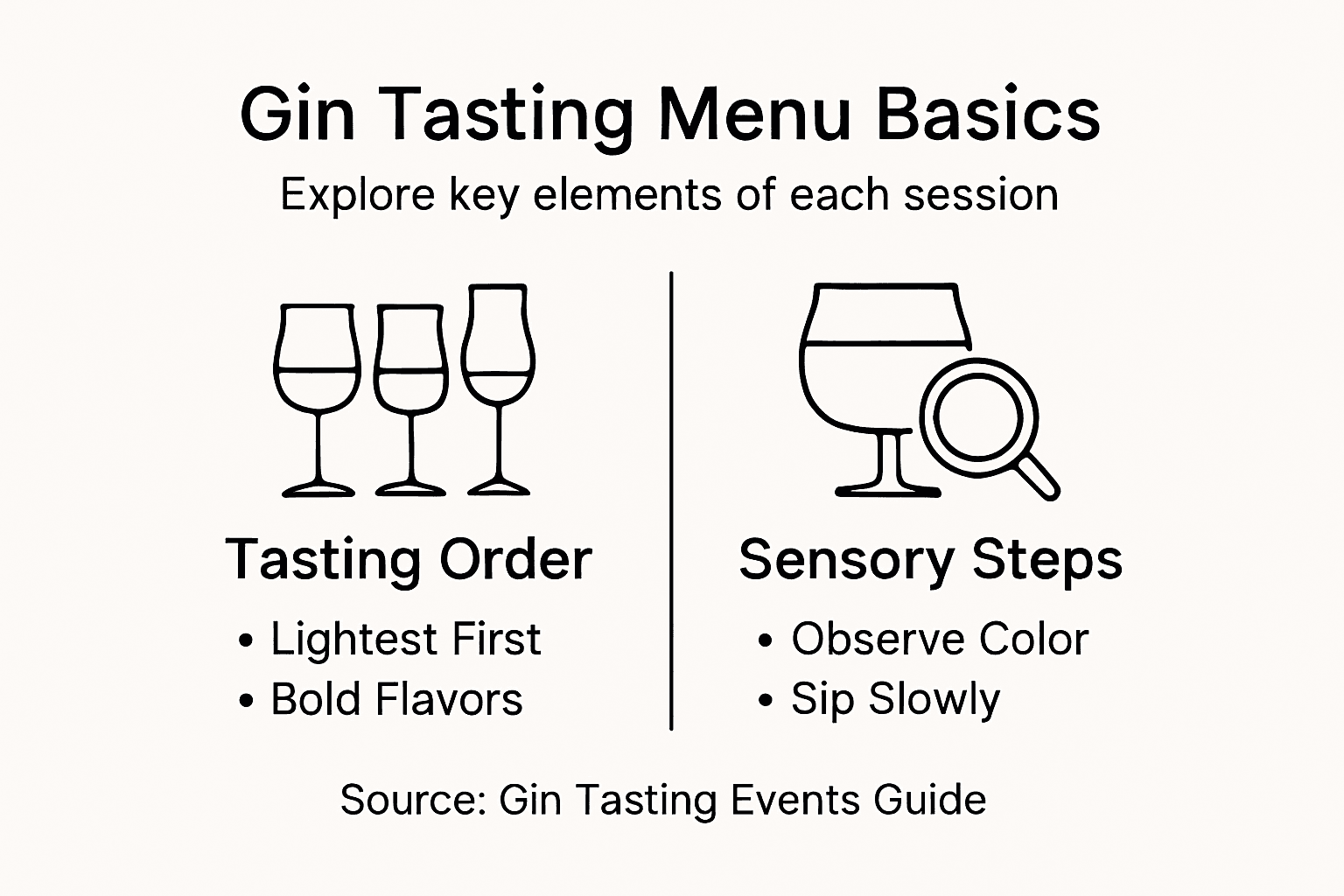
The structural framework of a sophisticated gin tasting menu typically follows a strategic approach that maximizes sensory perception and learning. Professional tasters carefully sequence gin samples to ensure a logical progression that allows participants to appreciate subtle flavor variations, building from lighter and more delicate profiles to more robust and intense expressions.
Key structural elements of a comprehensive gin tasting menu include:
- Flavor Progression: Moving from lighter, more delicate gins to more complex and intense botanical expressions
- Sensory Evaluation Stages: Systematic assessment of appearance, aroma, taste, and finish for each gin
- Educational Components: Detailed insights about botanical ingredients, distillation methods, and regional characteristics
- Palate Management: Strategic use of water, crackers, or neutral accompaniments to reset taste buds between samples
- Comparative Analysis: Side-by-side tastings that highlight differences in style, origin, and production technique
A well-structured gin tasting menu transforms drinking into a sophisticated educational experience, revealing the intricate world of botanical spirits.
Pro tip: Always start with a clean palate and neutral environment, using white ceramic or glass tasting vessels to accurately assess each gin's unique characteristics.
Perfect Pairings and Sensory Accompaniments
The art of gin tasting extends far beyond simply sampling spirits, transforming into a multisensory experience that engages taste, aroma, and culinary understanding. Gin pairing techniques require a nuanced approach that considers the intricate botanical profiles of different gin styles and their complementary flavor interactions.
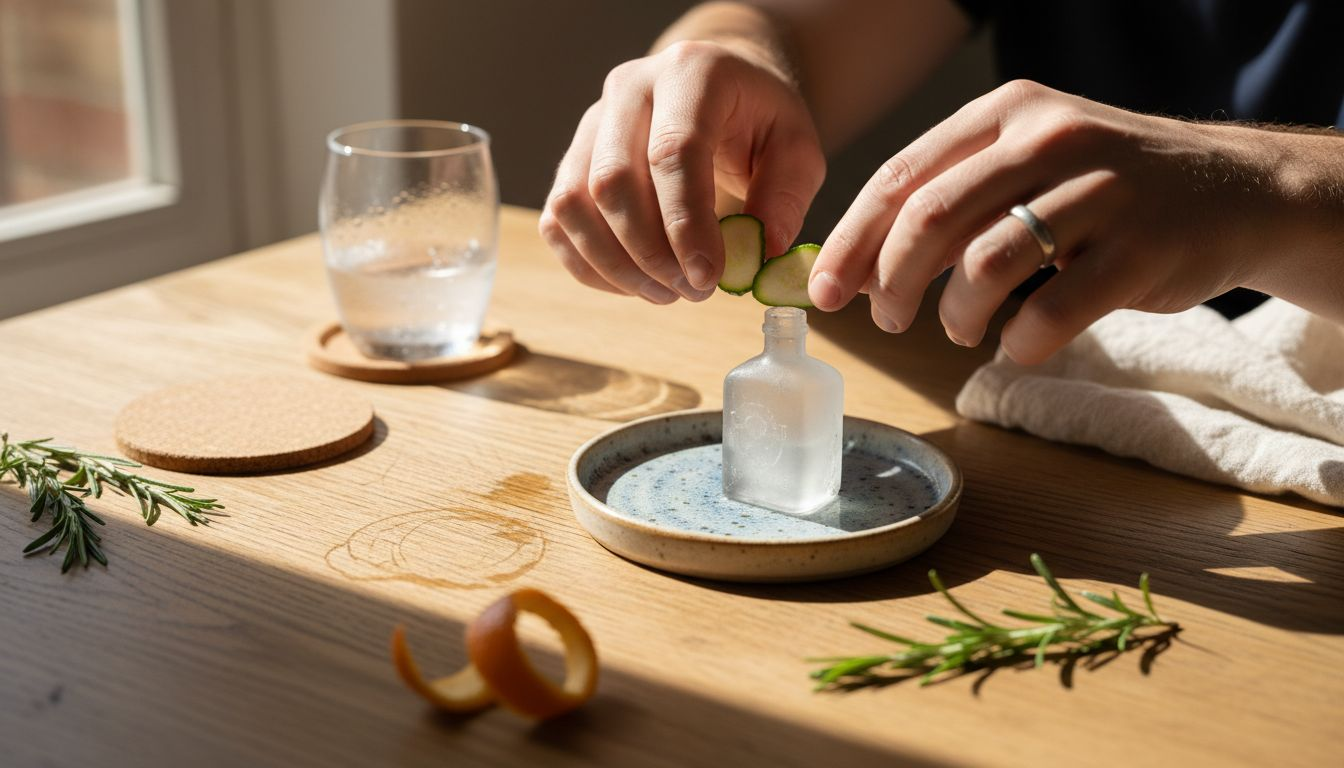
Sensory accompaniments play a crucial role in elevating the gin tasting experience, providing context and enhancing the overall flavor perception. These carefully selected elements work together to highlight the gin's unique characteristics, creating a holistic journey that stimulates multiple senses and deepens appreciation for artisanal spirits.
Key sensory accompaniments and pairing strategies include:
- Botanical Garnishes: Fresh herbs, citrus peels, and spices that mirror or contrast gin's botanical profile
- Complementary Cuisine: Small bites and appetizers that enhance or challenge gin's flavor notes
- Glassware Selection: Specific glass shapes that concentrate and showcase gin's aromatic complexity
- Temperature Management: Precise chilling or serving techniques to optimize flavor release
- Palate Cleansers: Neutral crackers, water, or mild accompaniments to reset taste perception
Masterful gin pairings transform a simple tasting into an immersive sensory exploration, revealing the spirit's hidden depths and nuanced characteristics.
Pro tip: Experiment with unconventional pairings by matching gin's botanical notes with unexpected culinary elements to discover surprising flavor harmonies.
Mediterranean Gin's Unique Role in Tastings
Mediterranean gins represent a revolutionary approach to botanical spirit crafting, offering gin enthusiasts a vibrant and distinctive tasting experience that transcends traditional gin profiles. Mediterranean gin botanicals create unique flavor landscapes that capture the essence of sun-drenched landscapes, transforming ordinary gin tastings into extraordinary sensory journeys.
Unlike classic gin styles dominated by juniper, Mediterranean varieties introduce a complex array of regional botanicals that reflect the rich culinary traditions of countries like Italy, Greece, and Spain. These gins incorporate herbs, citrus, and aromatic plants native to the Mediterranean ecosystem, providing a nuanced and sophisticated flavor profile that challenges and expands traditional gin expectations.
Key characteristics that distinguish Mediterranean gins in tasting experiences include:
See how Mediterranean gin stands out from other styles:
| Feature | Mediterranean Gin | Classic Gin Styles |
|---|---|---|
| Key Botanicals | Herbs, citrus, wild flora | Juniper, coriander, citrus |
| Regional Focus | Italy, Spain, Greece | England, Netherlands |
| Flavor Profile | Herbal, zesty, layered | Juniper-dominant, crisp |
| Aromatic Intensity | Very high | Moderate to high |
- Herbal Complexity: Incorporation of rosemary, thyme, and sage reflecting regional botanical diversity
- Citrus Prominence: Intense zesty notes from local citrus varieties like Sicily's bergamot or Amalfi lemons
- Terroir Expression: Botanicals that capture the specific microclimate and growing conditions
- Aromatic Intensity: Bold, layered scent profiles that tell a story of regional landscapes
- Cultural Authenticity: Distillation techniques rooted in local artisanal traditions
Mediterranean gins are not just spirits, but liquid narratives that transport tasters directly to sun-soaked coastal landscapes.
Pro tip: When sampling Mediterranean gins, pause to appreciate the subtle herbal undertones and allow each sip to unfold its complex regional story.
Elevate Your Gin Tasting Experience with Mediterranean Artistry
Discover how a thoughtfully crafted gin tasting menu invites you to savor each sip with intention, exploring unique botanical blends and sensory accompaniments. If you are drawn to the complex herbal and citrus notes that define Mediterranean gins, experience this journey firsthand with Gin Niro. This artisanal spirit combines aromatic zibibbo grapes and Sicilian citrus through traditional distillation methods to deliver a layered, authentic taste profile.
Begin your exploration today by visiting the Homepage – Gin Niro to learn more about what makes this Mediterranean gin exceptional. Whether you are a connoisseur or expanding your palate, Gin Niro offers a perfect addition to your gin tasting menu. Don’t miss the chance to enrich your next tasting session with a spirit that tells a story of place and craftsmanship. Experience Gin Niro now at https://ginniro.it and savor the complex flavors of Mediterranean tradition.
Frequently Asked Questions
What is a gin tasting menu?
A gin tasting menu is a curated experience that features multiple small servings of gin, designed to educate participants about the different styles, flavor profiles, and botanical compositions of artisanal gins.
How many samples are typically included in a gin tasting menu?
A gin tasting menu usually includes 4 to 6 smaller pours, allowing participants to explore various gins and appreciate their unique characteristics.
What should I expect during a gin tasting experience?
During a gin tasting, you can expect guided commentary from experts, comparative tastings of different gins, and carefully chosen accompaniments that enhance the flavor and enjoyment of the spirits.
How should I prepare for a gin tasting?
To prepare for a gin tasting, start with a clean palate, observe the gin's color, inhale its aromas, and sip slowly to fully appreciate the complex flavors and botanical notes in each serving.