
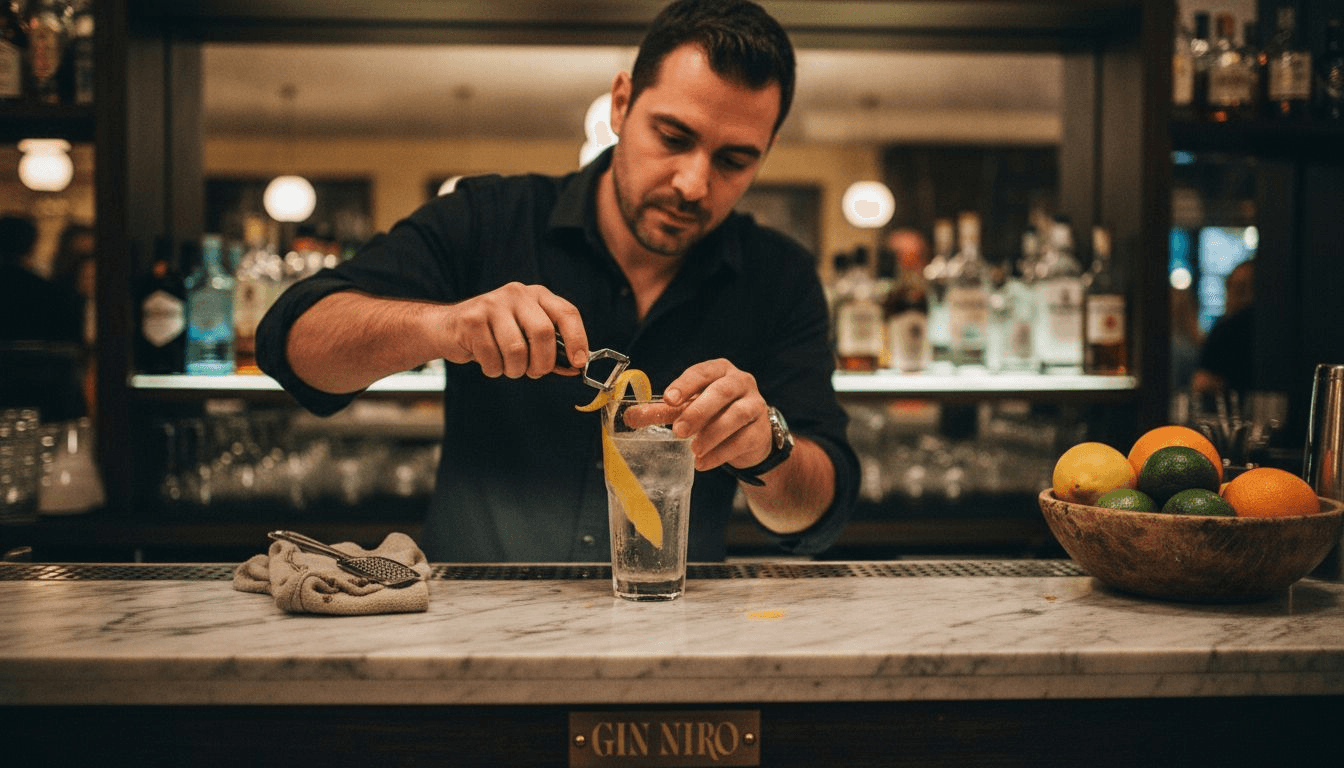
You've probably heard lime is the only citrus that truly complements gin, but that's a myth worth challenging. The botanical chemistry between juniper and citrus creates a flavor synergy far more nuanced than most realize. Mediterranean-style gins like Gin Niro showcase how Sicilian citrus elevates this pairing to an art form, delivering aromatic complexity that transforms every sip into a sensory journey.
Table of Contents
- Introduction To Gin And Citrus Pairing
- Botanical Chemistry Behind Gin And Citrus Pairing
- Effect Of Citrus Acidity And Oils On Gin Flavor Profile
- How Mediterranean Citrus Influences Gin's Sensory Profile
- Common Myths And Misconceptions About Gin And Citrus Pairing
- Practical Guidance On Mixing And Balancing Gin-Citrus Cocktails
- Conclusion: Elevate Your Gin Experience With The Perfect Citrus Pairing
- Discover Premium Mediterranean Gins And Cocktail Recipes
- Frequently Asked Questions About Gin And Citrus Pairing
Key takeaways
| Point | Details |
|---|---|
| Chemical synergy | Juniper's piney oils and citrus peel oils share monoterpenes like limonene, creating natural flavor harmony. |
| Mediterranean advantage | Sicilian citrus contains 15-20% more essential oils than standard varieties, boosting aromatic depth. |
| Optimal ratios matter | Balanced cocktails require about 3 parts citrus juice to 1 part gin for ideal flavor integration. |
| Freshness counts | Citrus juice loses aromatic compounds within 2 hours, making fresh squeezing essential. |
| Myth busting | Lime isn't the only option; lemon, orange, and grapefruit all bring unique acidity and aroma profiles. |
Introduction to gin and citrus pairing
Gin owes its signature character to juniper berries, which anchor every botanical blend. Juniper berries provide 40-50% of gin's aroma compounds by volume in typical recipes, establishing the piney, resinous foundation that defines the spirit. Citrus botanicals have enhanced gin for centuries, balancing juniper's intensity with bright, zesty notes that prevent the spirit from becoming one-dimensional.
Mediterranean-style gins take this relationship further by incorporating regional citrus during distillation. Premium Mediterranean-style gins like Gin Niro combine Sicilian citrus with aromatic zibibbo grapes, creating layers of complexity that standard London Dry styles can't match. This geographic specificity matters because Mediterranean citrus varieties carry higher concentrations of essential oils, translating to more pronounced aromatics.
Understanding this botanical foundation helps you appreciate why citrus isn't merely a garnish. The key factors in gin-citrus pairing include:
- Juniper's dominant piney and woody aromatics requiring bright counterpoints
- Citrus peel oils containing volatile compounds that enhance perception of freshness
- Botanical balance achieved through complementary rather than competing flavors
- Regional citrus varieties offering distinct essential oil profiles that match specific gin styles
This foundational knowledge sets the stage for exploring the chemical reasons behind this classic pairing.
Botanical chemistry behind gin and citrus pairing
The magic of gin and citrus lies in shared molecular compounds. Juniper berries provide 40-50% of gin's aroma compounds that synergize with citrus peel oils, particularly monoterpenes like alpha-pinene and limonene. These same compounds appear in citrus peels, creating natural harmony when the two ingredients meet.
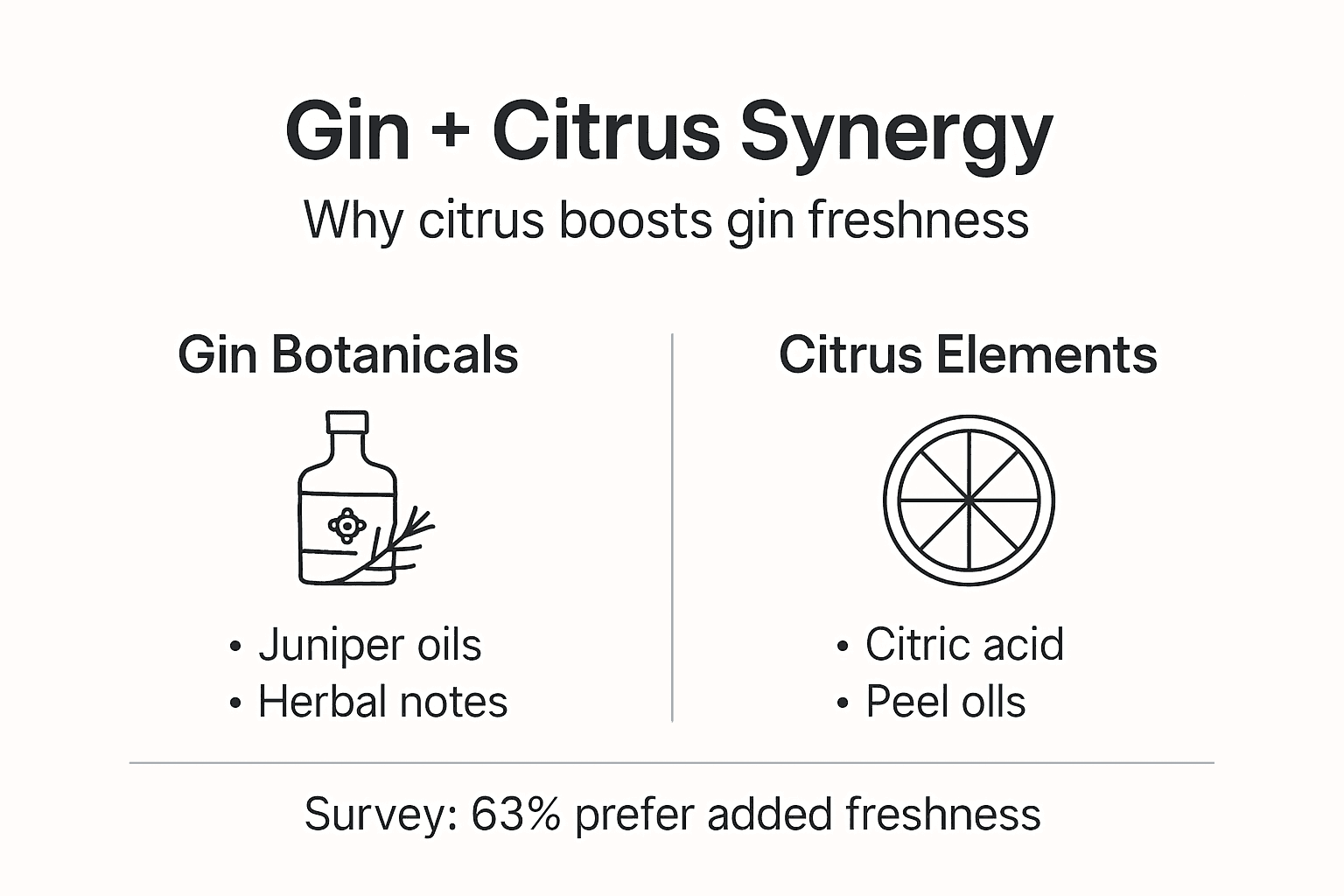
Monoterpenes are volatile aromatic molecules that your nose detects instantly. Alpha-pinene delivers the forest-floor scent in juniper, while limonene brings the bright citrus spark. When gin containing these compounds encounters citrus peel oils during mixing or garnishing, the similar molecular structures amplify each other rather than clash. This chemical compatibility explains why a lemon twist transforms a gin and tonic from ordinary to exceptional.
Not all citrus works equally well with every gin botanical profile. Orange peels pair best with floral and spice-forward gins due to shared volatile compounds, while grapefruit's bitterness complements herbaceous styles. The key is matching dominant botanical notes with complementary citrus characteristics:
- Floral gins (with elderflower, chamomile) match orange's sweet aromatic oils
- Spicy gins (with coriander, cardamom) benefit from grapefruit's bitter complexity
- Herbaceous gins (with basil, rosemary) harmonize with lemon's clean acidity
- Mediterranean gins (with local botanicals) showcase regional citrus like bergamot
Pro Tip: Smell your gin before selecting citrus. If you detect floral notes, reach for orange. If herbal notes dominate, lemon offers better balance.
This understanding transforms citrus from simple garnish into an integral flavor component that amplifies your gin's botanical architecture.
Effect of citrus acidity and oils on gin flavor profile
Citric acid levels vary dramatically across citrus types, directly impacting how they interact with gin. Lemons and limes contain higher acidity (around 5-7% citric acid), while oranges sit lower (0.6-1%). This variation matters because acidity performs two crucial functions: it balances ethanol burn and brightens botanical flavors that might otherwise feel muted.
When you add citrus juice to gin, the acid molecules interact with your taste receptors, creating a perception of freshness that masks alcohol harshness. This makes cocktails smoother and more approachable. The essential oils in citrus peels contribute aromatic complexity that your brain interprets as enhanced flavor, even though the oils themselves contain minimal taste compounds.
Balancing these elements requires precision. A balanced gin-citrus cocktail requires precise ratio control; optimal ratio is around 3 parts citrus juice to 1 part gin. Too much citrus overwhelms delicate gin flavor profiles, masking botanical nuances you paid premium prices to enjoy. Too little leaves your cocktail harsh and one-dimensional.
Follow these steps to achieve perfect balance:
- Start with freshly squeezed juice, never bottled alternatives that lack aromatic oils.
- Measure your gin portion first, then calculate citrus juice at a 3:1 ratio.
- Taste before adding sweetener, as citrus sugar content varies by variety and season.
- Adjust gradually, adding small amounts of simple syrup if needed to tame excess acidity.
- Express citrus peel oils over the finished cocktail to boost aromatic perception.
Pro Tip: Citrus juice loses aromatic intensity within 2 hours of squeezing. Mix cocktails immediately after juicing for maximum impact.
Excess acidity creates an unpleasant sourness that dominates your palate, while insufficient acidity produces flat, dull cocktails that waste quality gin. Finding the sweet spot requires attention to both juice quantity and timing.
How Mediterranean citrus influences gin's sensory profile
Mediterranean citrus varieties bring distinct characteristics that standard commercial citrus can't replicate. Sicilian lemon oil contains 15-20% more citral and limonene than standard English lemon varieties, enriching aroma. This concentration difference translates directly to more pronounced fragrance and flavor intensity in your cocktails.
Citral and limonene are the primary compounds responsible for citrus aroma. Higher concentrations mean Mediterranean citrus delivers more aromatic punch per squeeze, allowing you to use less juice while achieving greater impact. This matters particularly in Mediterranean citrus profiles where balance between gin botanicals and citrus requires careful calibration.
Gins like Gin Niro incorporate these premium citrus varieties during distillation alongside unique botanicals like zibibbo grapes. The interaction creates flavor layers impossible to achieve through garnishing alone. Zibibbo's aromatic grape character combines with Sicilian orange and lemon essential oils, producing a complex botanical symphony that evolves as you sip.
| Citrus Type | Essential Oil Content | Primary Aromatics | Gin Style Match |
|---|---|---|---|
| Sicilian Lemon | 4-6% | Citral, limonene, pinene | Mediterranean, floral |
| Standard Lemon | 2.5-3.5% | Limonene, citral | London Dry, classic |
| Sicilian Orange | 0.4-0.5% | Limonene, myrcene | Spiced, aromatic |
| Standard Orange | 0.2-0.3% | Limonene, linalool | Contemporary, fruity |
Pro Tip: When seeking richer aromatics to elevate your gin experience, choose Mediterranean citrus varieties. The investment in quality ingredients pays dividends in sensory complexity.
The higher essential oil content in Mediterranean citrus also means the oils persist longer in your cocktail, providing sustained aromatic release with each sip. This extended aromatic presence distinguishes premium Mediterranean gins from conventional alternatives, making them particularly well-suited for artisanal gin flavor tips that emphasize slow, contemplative tasting.
Common myths and misconceptions about gin and citrus pairing
Many gin enthusiasts believe lime is the only citrus that truly complements gin, particularly in classics like the gin and tonic. This narrow view ignores the diverse flavor possibilities other citrus fruits offer. Lemon provides cleaner acidity perfect for botanical-forward gins, orange brings sweet aromatic oils ideal for spiced varieties, and grapefruit adds bitter complexity that enhances herbaceous styles.
Another widespread misconception involves citrus juice freshness. Many assume bottled juice or juice squeezed hours earlier performs identically to freshly squeezed alternatives. Reality differs dramatically. Aromatic compounds in citrus juice degrade rapidly once exposed to oxygen, with significant losses occurring within 2 hours. By the time you mix that pre-squeezed juice, you've lost the volatile oils that make citrus pairing special.
The belief that all citrus fruits affect gin similarly represents perhaps the most limiting myth. Different citrus fruits vary in citric acid from 0.6% to 8%, impacting cocktail balance. This range means substituting orange juice for lime juice fundamentally alters your cocktail's acidity profile, requiring corresponding adjustments to sweetener and gin proportions.
Consider this compelling data point: 63% of gin drinkers report citrus significantly enhances freshness and flavor enjoyment in cocktails. This statistic confirms citrus isn't merely decorative but plays a functional role in flavor perception.
Common misconceptions corrected:
- Myth: Only lime works with gin | Reality: Lemon, orange, grapefruit, and bergamot all offer valid pairing options
- Myth: Citrus juice stays fresh indefinitely | Reality: Aromatic compounds degrade within 2 hours of squeezing
- Myth: All citrus provides identical acidity | Reality: Acid levels vary from 0.6% to 8% across varieties
- Myth: Bottled juice equals fresh juice | Reality: Essential oils crucial for aroma are lost in bottling
- Myth: More citrus always improves cocktails | Reality: Excess citrus masks botanical complexity
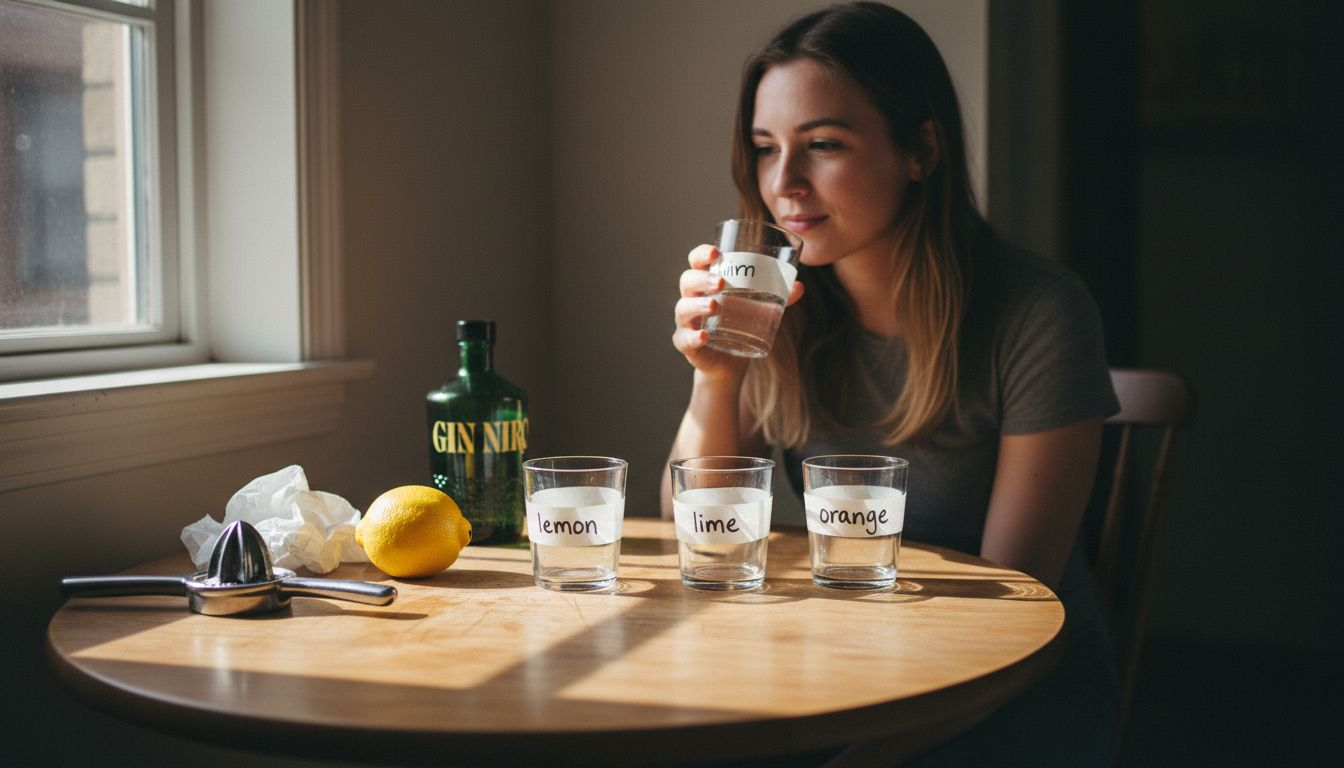
Critical tasting and experimentation reveal these truths quickly. Try the same gin with different citrus varieties side by side, and the distinct characters become immediately apparent. Trust your palate over assumptions.
Practical guidance on mixing and balancing gin-citrus cocktails
Crafting balanced gin-citrus cocktails requires systematic approach rather than guesswork. Start by profiling your gin's dominant botanical characteristics. Smell the spirit neat, identifying whether floral, spicy, herbaceous, or citrus notes lead. This assessment guides your citrus selection, as you want complementary rather than competing flavors.
Once you've identified your gin's character, choose citrus accordingly. Floral gins pair beautifully with orange, herbaceous styles shine with lemon, and spice-forward varieties benefit from grapefruit's bitter edge. Understanding gin flavor profiles helps you make informed decisions rather than defaulting to lime every time.
Follow these mixing steps for consistently excellent results:
- Select your gin and identify its dominant botanical notes through careful nosing.
- Choose citrus variety that complements rather than competes with those notes.
- Squeeze citrus fresh, straining to remove pulp that clouds your cocktail.
- Measure gin first, then calculate citrus juice at roughly 3:1 ratio as your starting point.
- Add ice and shake vigorously for 10-15 seconds to properly chill and dilute.
- Taste before final adjustments, noting whether acidity overwhelms or botanicals dominate.
- Fine-tune with small additions of simple syrup if excess acidity needs taming.
- Express citrus peel oils over the finished drink to boost aromatic intensity.
Pro Tip: Optimal mixing ratio is about 3 parts citrus juice to 1 part gin, adjusted for sweetness and tonic. This guideline works for most cocktails but demands adjustment based on citrus acidity and your gin's botanical intensity.
Fresh ingredient timing matters enormously. Squeeze citrus immediately before mixing, as even 30 minutes of sitting causes aromatic loss. If batching cocktails for gatherings, prepare the gin and sweetener base ahead but add citrus juice only at serving time.
Experimentation remains your best teacher. Start with the 3:1 ratio, then adjust based on your palate preferences and specific ingredients. Mediterranean-style gins with already prominent citrus notes may require less added juice, while neutral London Dry styles benefit from more generous citrus additions. Trust your taste buds and take notes on successful combinations for future reference.
Conclusion: elevate your gin experience with the perfect citrus pairing
The botanical chemistry between juniper and citrus creates natural flavor synergy that transforms good cocktails into exceptional ones. You've learned that shared monoterpenes like limonene and alpha-pinene create aromatic harmony, while citric acid balances ethanol burn and brightens botanical complexity. Mediterranean citrus varieties elevate this pairing further through higher essential oil concentrations that deliver 15-20% more aromatic compounds.
Applying this knowledge means moving beyond default lime choices to explore lemon, orange, and grapefruit options matched to your gin's botanical profile. Fresh juice matters immensely, with aromatic compounds degrading rapidly after squeezing. Precise ratios around 3:1 citrus to gin provide your foundation, adjusted based on acidity levels and botanical intensity.
Premium Mediterranean-style gins like Gin Niro showcase how regional citrus and unique botanicals like zibibbo grapes create unmatched complexity. Experiment confidently with different citrus varieties, trusting your palate to guide optimal pairings. Your gin cocktails will reward this attention to detail with layers of flavor that standard approaches can't match.
Discover premium Mediterranean gins and cocktail recipes
Ready to apply these gin and citrus pairing insights? Explore Gin Niro's range of premium Mediterranean-style gins that embody the botanical synergies discussed throughout this article. Each expression showcases carefully selected Sicilian citrus and aromatic zibibbo grapes, delivering the complex flavor profiles that make gin and citrus cocktail recipes truly exceptional.
Discover premium Mediterranean gin flavors that demonstrate artisan gin craftsmanship at its finest. Our curated cocktail guides provide step-by-step instructions for creating perfectly balanced drinks that showcase optimal citrus pairings. Whether you're exploring classic recipes or contemporary innovations, Gin Niro's expert content helps you master the art of gin and citrus harmony in every glass you craft.
Frequently asked questions about gin and citrus pairing
Why is juniper important in pairing gin with citrus?
Juniper provides 40-50% of gin's aromatic compounds, including monoterpenes like alpha-pinene and limonene that naturally complement similar compounds in citrus peel oils. This molecular similarity creates flavor synergy rather than competition, allowing both ingredients to enhance each other.
Which citrus fruits best complement floral gin botanicals?
Orange works exceptionally well with floral gins because its sweet aromatic oils contain volatile compounds that harmonize with elderflower, chamomile, and rose botanicals. The gentler acidity of orange avoids overwhelming delicate floral notes while adding complementary sweetness.
How soon should I use fresh citrus juice after squeezing?
Use citrus juice immediately or within 2 hours maximum. Aromatic compounds degrade rapidly once exposed to oxygen, with significant losses occurring after this window. For optimal flavor impact, squeeze citrus directly before mixing your cocktail.
Can I use stored citrus juice in gin cocktails?
Stored juice lacks the essential oils that create aromatic complexity in gin cocktails. While it provides acidity, you lose the fragrance and flavor depth that make citrus pairing special. Always squeeze fresh for premium results.
What's the ideal citrus-to-gin ratio for balanced cocktails?
Start with approximately 3 parts citrus juice to 1 part gin as your baseline ratio. Adjust based on your specific citrus variety's acidity level and your gin's botanical intensity. Mediterranean gins with prominent citrus notes may require less added juice than neutral London Dry styles.